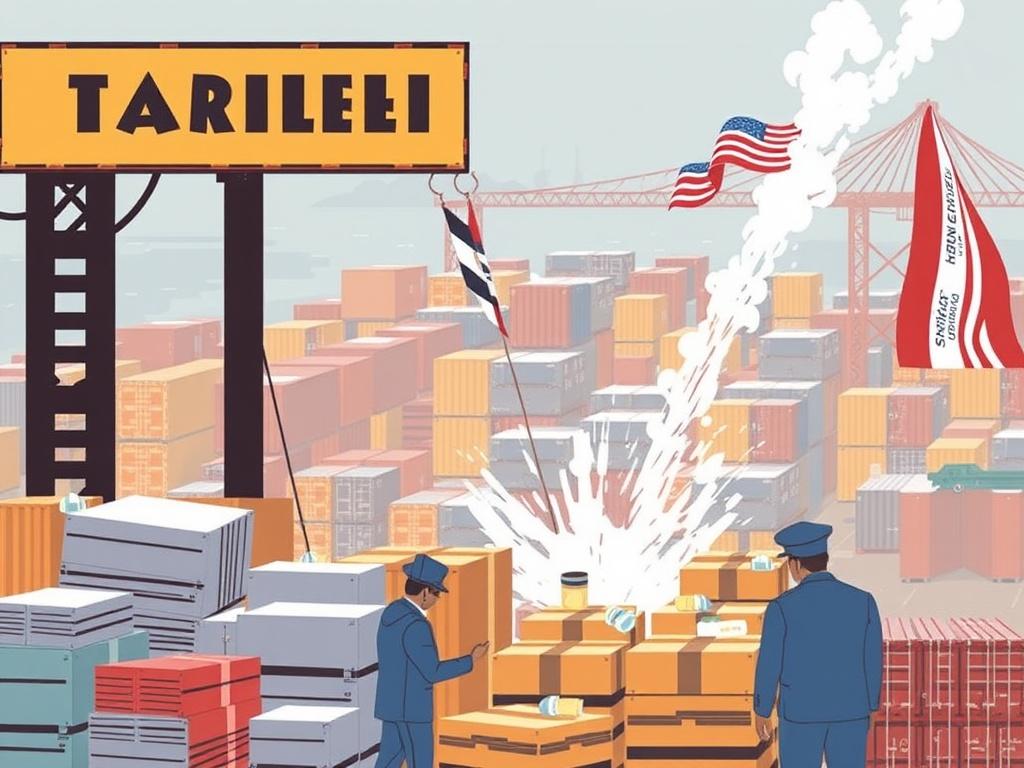
When governments slap tariffs on imports, the headlines talk about tariffs as shields for domestic industries and leverage in negotiations. What rarely makes the front page is the quiet ripple that travels from a port to the grocery aisle and the hardware store, nudging prices up in ways most of us feel but few fully trace back to policy.
- What is a tariff, really?
- How tariffs change prices along the supply chain
- Simple math: example of pass-through
- Direct versus indirect effects on inflation
- Trade wars as a macroeconomic shock
- Evidence from recent trade conflicts
- Case notes from the 2018–2019 U.S.-China trade tensions
- Supply chains amplify and spread tariff effects
- Who pays: distributional consequences
- Table: who might gain and who might lose
- Exchange rate adjustments and partial offsets
- The role of retaliation and escalation
- Policy trade-offs and unintended consequences
- Economic efficiency versus political goals
- Real-world examples: when tariffs changed prices
- How businesses adapt to tariff shocks
- Reshoring and nearshoring: real solutions or costly illusions?
- Consumer-level impacts and lived experience
- How to measure the inflationary effect of tariffs
- Policy alternatives and mitigation strategies
- International negotiation as a tool
- What households can do when tariffs push prices up
- Long-term consequences for growth and innovation
- Communicating tariff effects to the public
- Balancing sovereignty and economic efficiency
- When tariffs help and when they hurt
- Designing smarter trade policy
- Reflections from the front lines
- Final thoughts on tariffs and price stability
What is a tariff, really?
A tariff is a tax on imported goods. It can be a percentage of the item’s value — called an ad valorem tariff — or a fixed fee per unit, known as a specific tariff. Either way, the point is the same: make foreign goods more expensive at the border.
Governments levy tariffs for different reasons. Sometimes the aim is revenue, especially in lower-income countries where customs duties are a stable income source. Other times the goal is protection: raising the cost of imports to help local firms compete. Tariffs can also be wielded as a bargaining chip in diplomatic standoffs.
How tariffs change prices along the supply chain
A tariff raises the cost of bringing a good into a country. Importers face a higher landed cost — the price of the product plus transport, insurance, and the tariff itself. That increased cost can show up in the final retail price, but how much depends on several factors.
Sometimes importers absorb part of the tariff by accepting lower profit margins, especially if they fear losing market share. Other times they pass most or all of it on to retailers, who then increase consumer prices. In many industries the tariff’s burden gets distributed across many links in the chain, leaving a traceable but not always obvious impact.
Beyond the immediate tax, tariffs can produce knock-on effects. If an imported input becomes more costly, domestic producers using that input may face higher production costs. They, too, may raise prices, reduce output, or automate tasks to cut costs. The result is a cascade: a tariff on one product can ripple into many others.
Simple math: example of pass-through
Numbers help clarify the mechanism. Imagine a foreign-made widget that sells for $100, with transportation and distribution bringing its domestic store price to $120. A 25% tariff on the import raises the cost by $25 at the border.
If the importer passes that full $25 to retailers and retailers pass it to consumers, the new store price becomes $145. If the importer absorbs $10 and passes on $15, the price becomes $135. The degree of pass-through determines how much shoppers ultimately pay.
Direct versus indirect effects on inflation
When economists talk about tariffs and inflation, they distinguish between direct and indirect effects. A direct effect appears when the price of the imported good itself increases in the consumer price index (CPI). If the tariff applies to a category tracked by the CPI, the headline index can tick up immediately.
Indirect effects are subtler. Higher costs for inputs can lead domestic producers to raise prices for goods and services that don’t appear in the tariff list. For example, a tariff on steel raises the cost of cars, appliances, and construction projects. Those price hikes can feed into the CPI more slowly and across diverse categories.
Policymakers also watch expectations. If businesses expect tariffs to be permanent, they may lock in higher wages or prices, embedding inflation into contracts and plans. If expectations shift upward, inflation can become self-reinforcing.
Trade wars as a macroeconomic shock
A trade war is an escalation: tit-for-tat tariffs that widen and deepen. When many goods across many sectors are taxed, the economy faces a broader shock. Companies that relied on global value chains find their costs rising in multiple places.
The scale of the shock matters. Small, narrowly targeted tariffs may barely register in headline inflation. But sustained, wide-ranging tariffs can push up prices economy-wide and reduce output, creating stagflationary conditions — higher prices coupled with slower growth.
Central banks then face a dilemma. If tariffs push inflation higher, monetary authorities may tighten policy to anchor inflation expectations. That move can slow demand and amplify the economic pain caused by the initial protectionist measures.
Evidence from recent trade conflicts
Empirical studies of recent trade disputes shed light on the mechanics. Analyses of tariff hikes over the past decade generally show that a meaningful share of tariff costs ends up in consumer prices. The exact pass-through varies by product, market structure, and timing.
For example, when tariffs target consumer goods sold through competitive retail channels, much of the cost often shifts to consumers quickly. For intermediate inputs tangled in long supply chains, pass-through may be slower but still significant as higher production costs percolate through industries.
Overall, the pattern is clear: tariffs do not disappear. They are either paid by foreign exporters who accept lower prices, by importers who accept thinner margins, or — most commonly — by domestic consumers and businesses in the form of higher prices.
Case notes from the 2018–2019 U.S.-China trade tensions
The late 2010s trade measures give a modern illustration. Tariffs imposed across many categories produced measurable price effects in the U.S. market. Some industries experienced sharp increases in domestic prices for affected goods, while others managed to shift sourcing or absorb costs.
Across the economy, economists found that the tariffs contributed to higher prices in the short run and disrupted global supply chains. The burden was distributed: certain firms benefited from reduced import competition, but many consumers faced higher bills for everyday items like household goods and electronics.
Supply chains amplify and spread tariff effects
Modern manufacturing is rarely a one-step process. Smartphones, cars, and appliances are assembled from parts made in multiple countries. A tariff on one component can change the economics of the whole product.
For example, a duty on a specific electronic component increases the cost of assembling the finished device. The assembler might pay more for the whole unit, reducing margins or passing costs downstream to retailers and consumers. Alternatively, firms might redesign products to use alternative parts, but that takes time and investment.
Supply chain complexity also hides the tariff trail. Consumers may not realize that higher prices for seemingly unrelated items — clothing, toys, or furniture — are connected to a tariff imposed months earlier on a raw material or component.
Who pays: distributional consequences
Tariffs are not neutral; they redistribute income across groups. Consumers usually bear a significant portion of the cost in higher retail prices. But firms, workers, and shareholders also feel the effects in different ways.
Employees in protected industries may benefit from higher wages or job security when tariffs reduce import competition. However, workers in downstream industries that rely on imported inputs can be harmed if costs rise. Shareholders of protected firms may enjoy short-term gains, while the broader economy pays through higher prices and reduced efficiency.
Importantly, the burden is often regressive. Low-income households spend a larger share of their budget on goods affected by tariffs, especially food, clothing, and household items. As a result, tariffs can increase inequality by hitting poorer households harder.
Table: who might gain and who might lose
The simple table below summarizes common winners and losers when tariffs rise.
| Potential winners | Potential losers |
|---|---|
| Domestic producers competing with imports | Consumers facing higher retail prices |
| Workers in protected industries | Workers in industries using imported inputs |
| Government (tariff revenue) | Overall economic efficiency and growth |
Exchange rate adjustments and partial offsets
Tariffs do not work in isolation. Exchange rates can move in response to trade actions and capital flows, partially offsetting or amplifying tariff impacts. If a tariff causes imports to fall, the country’s currency might appreciate, making imports cheaper and counteracting some of the tariff’s effects.
However, exchange rate responses are imperfect and unpredictable. They depend on capital flows, monetary policy, and global sentiment. An appreciating currency can blunt price increases for imports but can harm exporters by making their goods less competitive abroad.
Moreover, central banks may respond to tariff-driven inflation by raising interest rates. That monetary tightening can slow the economy, increase borrowing costs, and produce secondary effects like higher mortgage rates and unemployment pressure.
The role of retaliation and escalation
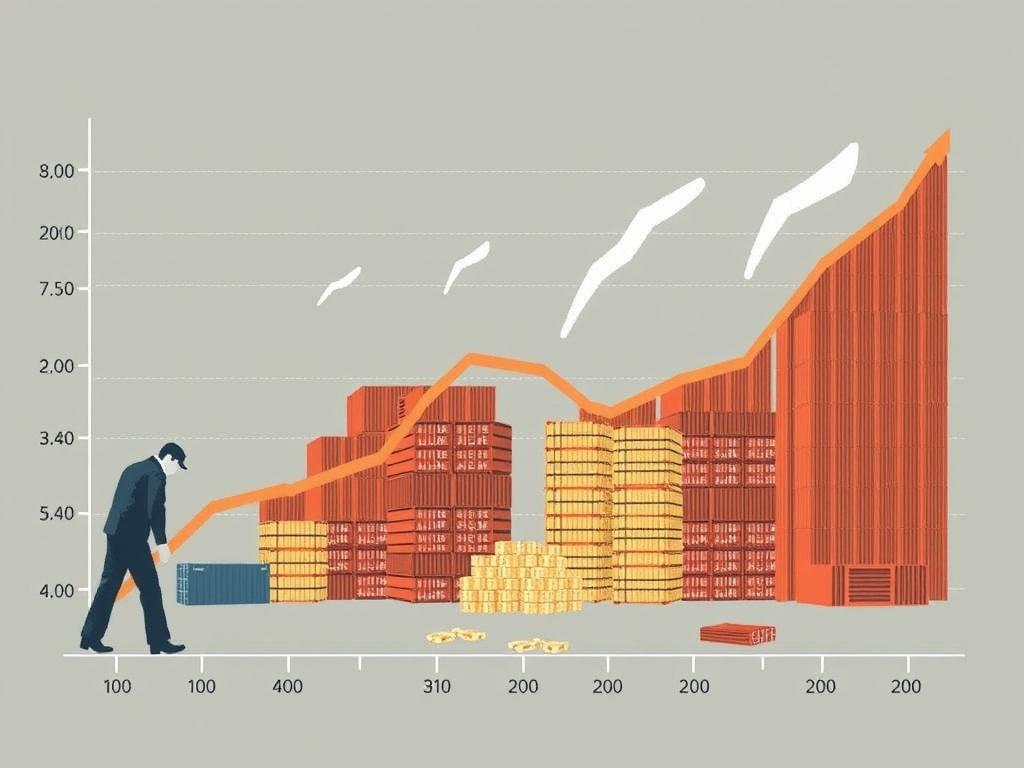
Trade wars are rarely one-way. Targeted tariffs often provoke retaliation. When trading partners hit back, a broader set of industries faces new costs and market barriers. Retaliatory tariffs can hurt exporters whose sales fall in affected foreign markets.
Escalation amplifies inflationary pressure. As more product categories get taxed, consumers see price increases across a wider basket of goods. Businesses lose access to certain export markets, employees may face layoffs, and investment plans can be put on hold because of uncertainty.
Policy trade-offs and unintended consequences

Policymakers use tariffs for legitimate reasons — protecting nascent industries, responding to unfair practices, or safeguarding national security. But every tariff carries trade-offs. Short-term protection can come at the cost of long-term dynamism and consumer welfare.
Tariffs distort comparative advantage, encouraging production in less efficient locations. They create incentives for firms to lobby for protection rather than compete, potentially leading to cronyism. They can also fragment global supply chains, increasing costs and reducing innovation that emerges from international collaboration.
Economic efficiency versus political goals
Many tariff decisions reflect political priorities rather than pure economic logic. Elected officials respond to visible local benefits — a factory that keeps paying wages — while the costs, spread across many consumers as slightly higher prices, are diffuse and less visible.
This mismatch between concentrated benefits and dispersed costs explains why protectionist policies can be politically durable, even when they are inefficient on a national scale.
Real-world examples: when tariffs changed prices
History offers several instructive episodes. The Smoot-Hawley tariffs of the 1930s are the classic example: a significant rise in U.S. tariffs that coincided with a sharp decline in world trade and worsened global economic conditions. Economists debate the magnitude of its impact, but few deny it contributed to a contraction of trade.
More recently, tariffs on washing machines and solar panels were imposed in the U.S. in 2018. Those measures helped some domestic producers but also led to higher retail prices for consumers and increased costs for installers and downstream users. Some companies and consumers shifted suppliers or paid more until market dynamics adjusted.
These examples show that tariffs can protect narrow interests while transferring costs broadly — a pattern repeated in many contexts and eras.
How businesses adapt to tariff shocks
Firms respond to tariffs in several ways. Some pass costs to customers. Others cut margins or seek cheaper inputs. Larger firms often have the resources to reconfigure supply chains, shifting production to tariff-favored jurisdictions or investing in domestic alternatives.
Smaller firms, with thinner margins and less flexibility, often bear the brunt. They may reduce hiring, delay expansion, or go out of business if they cannot absorb price increases. Some companies respond by innovating — redesigning products to use fewer tariffed inputs — but that takes time and capital.
Reshoring and nearshoring: real solutions or costly illusions?
Tariffs sometimes accelerate discussions about reshoring or nearshoring production. Moving factories closer to end markets can reduce exposure to tariffs and supply chain risk. But reshoring is expensive and not always efficient: it can raise labor and capital costs that outweigh tariff savings.
Nearshoring can offer a middle ground, lowering logistics costs and political risk while preserving scale. Yet both strategies require investment, skills, and regulatory support; they are not a quick fix for consumers facing higher prices tomorrow.
Consumer-level impacts and lived experience
As someone who ran a small retail business for several years, I saw the mechanics up close. When import costs rose unexpectedly, we had three choices: cut margins, absorb the cost, or raise prices. We split the difference, but even small price increases reduced volume and changed customer behavior.
On the household side, I remember a grocery run that suddenly cost noticeably more after a set of tariffs hit food-processing inputs. It was subtle at first — a few cents here, a dollar there — but over weeks the impact added up. For families on tight budgets, those few dollars alter decisions about what to buy and what to skip.
How to measure the inflationary effect of tariffs
Economists use several tools to estimate how much tariffs contribute to inflation. They compare price movements in tariffed categories to similar non-tariffed categories, track import price indices, and analyze firm-level data on costs and markups.
One common finding is that tariffs explain part of short-term spikes in the prices of affected goods but are rarely the sole driver of broad-based inflation. Other factors — demand, wages, supply disruptions, and energy prices — interact with tariffs to determine the final inflation outcome.
Nevertheless, when tariffs are large and widespread they can materially add to headline inflation, shifting monetary policy choices and household finances.
Policy alternatives and mitigation strategies
If the goal is to address unfair trade practices or support strategic industries, there are alternatives that avoid broad-based tariffs. Targeted anti-dumping duties, subsidies for research and development, and support for workforce retraining can achieve policy aims with fewer price distortions.
Compensation schemes can also soften the blow. If policymakers decide tariffs are necessary, they can offset the impact on low-income households with targeted transfers, tax credits, or temporary subsidies. That approach acknowledges the regressivity of tariffs and protects those least able to absorb higher prices.
International negotiation as a tool
Multilateral negotiation remains the most efficient way to resolve trade disputes. Trade rules under organizations like the World Trade Organization (WTO) provide frameworks for resolving complaints without broad tariffs that harm consumers. Diplomacy and negotiated settlements can restore stable trading relationships with less economic collateral damage.
When countries retreat from cooperative frameworks, they forgo mechanisms that limit retaliation and help maintain predictable price environments for businesses and consumers alike.
What households can do when tariffs push prices up
There are practical steps families and small businesses can take to manage higher prices. Adjusting budgets to prioritize essentials, buying in bulk for nonperishable goods, and comparing prices across retailers help blunt the impact. Small businesses can diversify suppliers, renegotiate contracts, or switch to alternative materials where possible.
Energy efficiency and waste reduction also matter. Improvements that lower utility bills or reduce material waste provide real savings that offset inflationary pressure. For many households, these changes are practical and lasting.
Long-term consequences for growth and innovation
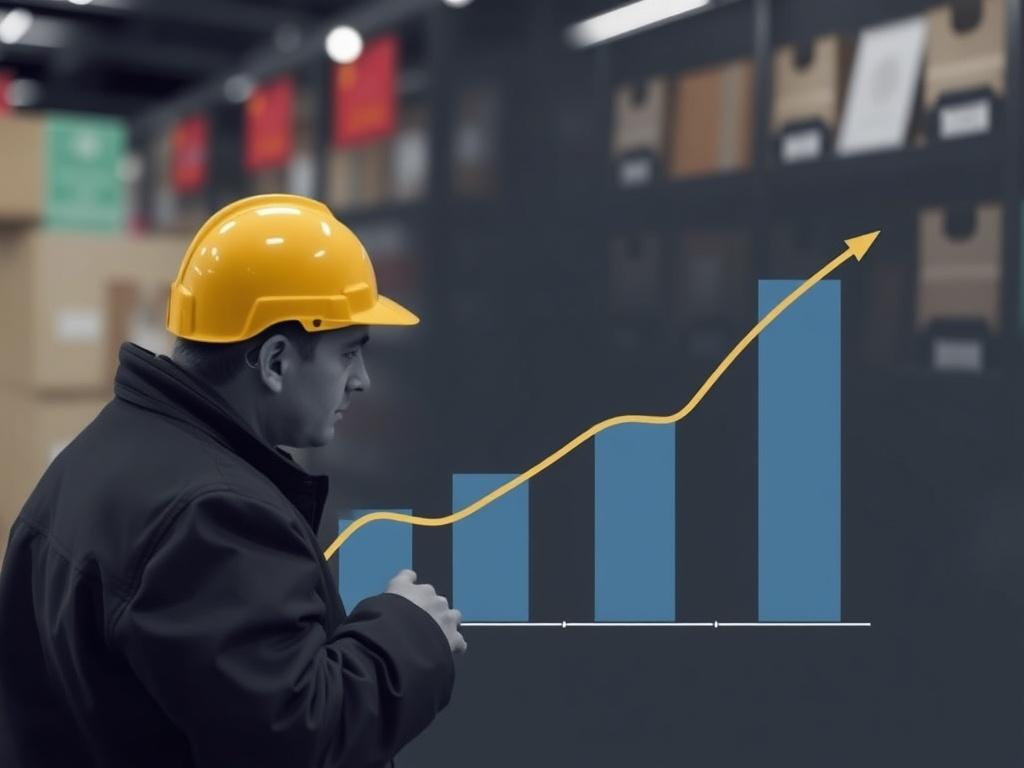
Sustained protectionism can erode incentives for innovation. If firms expect tariffs to shelter them indefinitely, they may invest less in productivity-enhancing technologies. Over time, this undermines competitiveness and slows growth.
Open trade tends to promote specialization, competition, and knowledge exchange — ingredients for productivity gains. While strategic protection can be warranted in specific cases, blanket tariffs risk eroding the dynamic benefits that trade delivers.
Communicating tariff effects to the public
One reason tariffs persist politically is that their costs are diffuse. When a specific factory is saved, the story is visible and emotive. When millions of consumers each pay a few extra dollars per month, the effect is diffuse and less likely to mobilize opposition.
Clear communication about both the benefits and costs of tariffs helps voters and consumers make informed choices. Policymakers who explain trade-offs and provide targeted support when necessary can maintain public trust while pursuing legitimate trade objectives.
Balancing sovereignty and economic efficiency
Nations legitimately seek to protect their strategic capacity in key sectors — defense, critical infrastructure, or essential medical supplies. Crafting policy that balances sovereignty concerns with efficiency requires careful design: minimal, targeted measures with sunset clauses and regular reviews.
Permanent, broad tariffs in the name of sovereignty risk transforming short-term policy into entrenched industry-level protection, raising prices permanently and weakening the economy’s adaptability.
When tariffs help and when they hurt
Tariffs can help when they correct clear market failures — for example, countering proven unfair trade practices like dumping or subsidized exports. They can provide breathing room for emerging industries to develop competitive capacity under carefully designed support policies.
Tariffs hurt when they are used reflexively, broadly, or indefinitely. The longer a tariff remains in place, the more firms and consumers adapt in inefficient ways, sheltering industries that might never become competitive without ongoing protection.
Designing smarter trade policy
Smart trade policy focuses on targeted, time-limited interventions and robust anti-dumping enforcement, coupled with domestic policies that promote training, innovation, and infrastructure. Transparent evaluation and accountability — measuring the costs and benefits — should guide decisions.
Policymakers should also anticipate retaliation and design contingencies. Trade diplomacy and coalition-building reduce the need for unilateral measures that raise prices for ordinary households.
Reflections from the front lines
In conversations with small-business owners over the years, a recurring theme surfaces: predictability matters as much as price. Sudden tariff hikes that change the cost landscape overnight are more damaging than steady, expected adjustments because they disrupt planning and cash flow.
For families, the lesson is similar. Unexpected price jumps, even modest ones, force quick decisions: skip a purchase, buy a cheaper brand, or accept smaller portions. Those micro-decisions add up across millions of households to shape aggregate demand and the economy’s trajectory.
Final thoughts on tariffs and price stability
Tariffs are a blunt instrument. They create winners and losers, and they transmit tax-like effects into prices that consumers pay every day. Trade wars amplify those effects, spreading cost increases through complex supply chains and across the economy.
When weighing trade policy, it helps to remember that protecting one sector by levying costs on many households is a political choice with economic consequences. Alternatives exist that can address unfair competition while minimizing inflationary outcomes.
At the end of the day, policy should ask not only who benefits from protection, but who pays the bill — and whether that trade-off is the best use of public power and taxpayer resources.