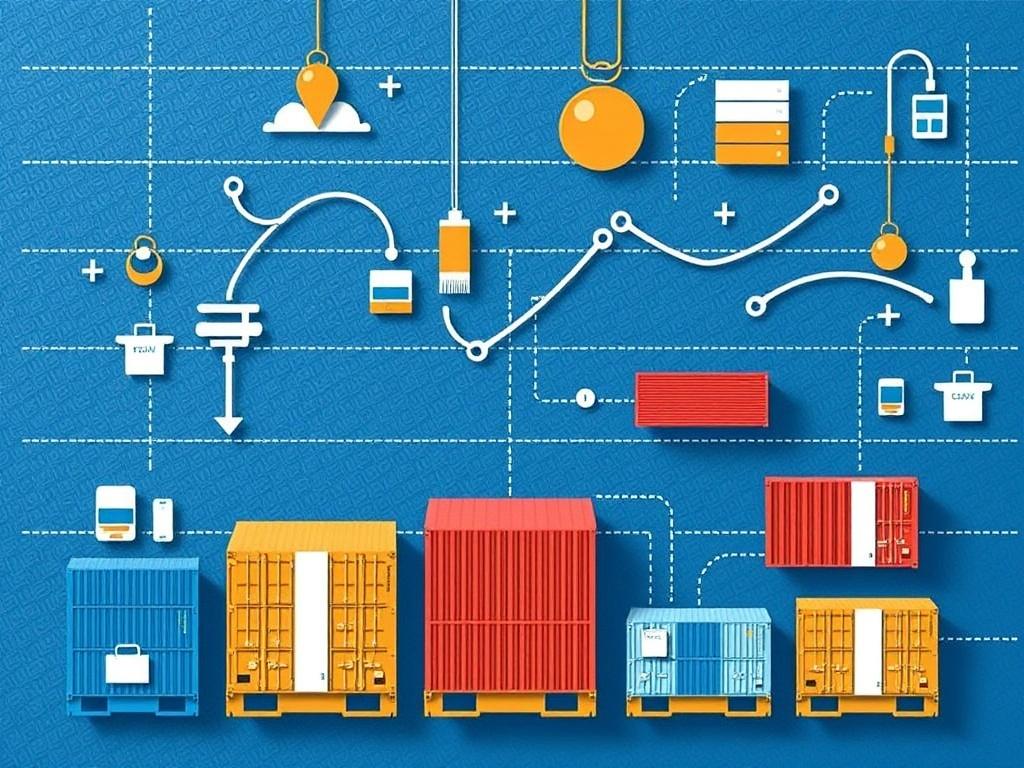
Tariffs can quietly erode margins and derail product strategies, but they don’t have to be a fait accompli. With careful planning, smart sourcing, and rigorous compliance, you can structure your supply chain to minimize tariff exposure while staying on the right side of customs laws. This article walks through practical methods, legal tools, and on-the-ground tactics—drawn from real-world sourcing projects—to help you reduce duty costs without inviting enforcement risk.
- Know what you’re up against: the basics of tariffs and legal limits
- Map your product’s tariff exposure step by step
- Use trade agreements and preferential programs where possible
- Choose sourcing countries strategically: nearshoring, diversification, and risk
- Tariff engineering: legal product redesign to change classification
- Leverage import regimes and customs tools
- Quick comparison of common customs regimes
- Work with customs brokers and trade advisors early and often
- Contracting and pricing: manage who bears the tariff risk
- Short-term tactics that are legal and practical
- Documentation and supplier management: the backbone of compliance
- Monitor policy and keep your supply chain agile
- Case study: electronics firm that reshaped its supply chain
- Case study: textile supplier using yarn origin to access preferential rates
- Practical, step-by-step roadmap to get started
- Risks, compliance scrutiny, and enforcement realities
- Technology and data: tools that make tariff planning practical
- When to act and how to prioritize efforts
- Ethics and best practices: keep compliance at the core
Know what you’re up against: the basics of tariffs and legal limits
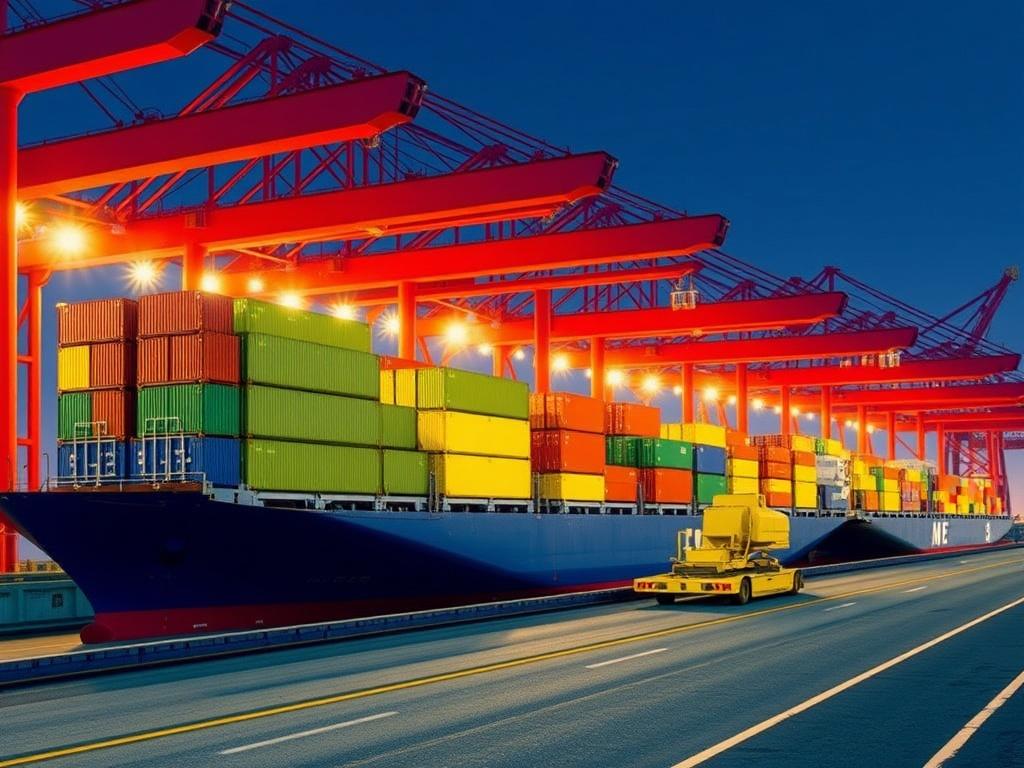
Tariffs are taxes on imports, applied at the border based on product classification, value, and country of origin. Governments set tariff schedules using Harmonized System (HS) or HTS codes; these codes determine the duty rate applied to a product when it enters a market.
Not all charges at import are tariffs—there are customs duties, anti-dumping or countervailing duties, value-added taxes, and sometimes special surcharges. Understanding which of these apply to your product is essential because different mitigation strategies address different charges.
Importantly, there’s a sharp distinction between lawful tariff mitigation and illegal evasion. Lawful techniques include using free trade agreements, bonded warehouses, or changing product composition to qualify for different HTS lines. Illegal actions—misdeclaring origin, falsifying invoices, or covert transshipment to hide origin—expose companies to fines, seizure, and reputational damage.
Map your product’s tariff exposure step by step
Begin by breaking the product into its bill of materials and identifying the HTS code for the finished good and for major components. HTS classification drives duty rates, so even small changes in materials or assembly can change a product’s tariff treatment.
Create a tariff matrix that lists each component, its country of manufacture, HTS code, and applicable duty rate in your import market. This matrix reveals where tariffs bite the most and which components are most valuable to target for mitigation.
Quantify landed cost—not just unit price plus duties, but freight, insurance, brokerage, and potential delays. Often a supplier with a slightly higher unit price in a low-tariff country will produce a lower total landed cost than a cheaper vendor in a high-duty jurisdiction.
Use trade agreements and preferential programs where possible
Free trade agreements (FTAs) and preferential schemes like the U.S. Generalized System of Preferences (GSP) or the EU’s various preferential arrangements can dramatically cut or eliminate tariffs. But they require documented proof of origin and strict compliance with rules of origin.
Rules of origin can be complex: some FTAs require a percentage of value to originate in member countries (value-added rules), while others look at specific manufacturing operations or tariff-shift rules. A product assembled in country A but made from inputs from country B may not qualify unless it meets the agreement’s criteria.
Obtain and keep supplier declarations, certificates of origin, and supporting production records. For significant product lines, seek binding rulings from customs authorities about origin or classification to reduce uncertainty and protect your duty position.
Choose sourcing countries strategically: nearshoring, diversification, and risk
Shifting production or sourcing to countries with lower tariff rates or favorable trade deals is often the most sustainable approach. Nearshoring to Mexico, for instance, can reduce transit time and qualify goods under USMCA rules, while Vietnam often offers lower labor costs and access to different trade agreements.
Decide based on total landed cost, not labor rates alone. Include tariffs, lead times, logistics reliability, supplier capability, and geopolitical risk in your calculation. A two-dollar saving on unit price is meaningless if a 25% tariff wipes it out.
Diversify suppliers to avoid single-country exposure that can be suddenly affected by new tariffs or sanctions. Maintain dual-source strategies in different tariff zones so you can pivot quickly when policy shifts.
Tariff engineering: legal product redesign to change classification
Tariff engineering means adjusting product design or production steps to fall into a more favorable HTS classification or to meet rules of origin. This can be as simple as changing the material composition or as complex as moving a specific assembly operation across borders.
For example, substituting a non-essential metal for a higher-duty alloy or performing the final assembly in a country that qualifies under an FTA can change the duty rate. These moves must be substantial and justifiable; cosmetic changes designed solely to dodge duties are risky.
Work with engineers and customs experts to document why a change improves performance, reduces cost, or meets market needs. Documentation should include engineering drawings, production logs, and supplier attestations to withstand customs scrutiny.
Leverage import regimes and customs tools
Customs regimes exist to provide flexibility: bonded warehouses let you defer duties until goods leave the warehouse for domestic consumption, while inward processing allows temporary importation for processing without paying duties if the goods are re-exported.
Duty drawback lets you reclaim duties paid on imported inputs that are later exported in finished products. This can materially offset tariff costs if your supply chain includes significant imported components that end up in exported goods.
Free trade zones or foreign-trade zones (FTZs) permit storage, assembly, and even manufacturing with suspended duties until goods enter domestic commerce. Using these zones can allow you to pay lower duties on finished products or avoid duties altogether if you re-export.
Quick comparison of common customs regimes
| Regime | Primary benefit | Typical use case |
|---|---|---|
| Bonded warehouse | Defers duties until goods are released for consumption | Seasonal inventory or long-term storage before sale |
| Free trade/foreign-trade zone | Suspend duties, potential for manufacturing with suspended duties | Assembly operations aimed at duty optimization or re-export |
| Duty drawback | Recover duties on inputs that are exported in finished goods | Export-oriented manufacturers importing raw materials |
| Inward processing | Temporary duty relief for processing then re-export | Temporary processing, repair, or finishing operations |
Work with customs brokers and trade advisors early and often
A competent customs broker or trade lawyer pays for itself. They help with correct HTS classification, prepare binding rulings, and ensure documentation meets customs expectations. Early engagement prevents costly rework or seizures later on.
Ask your broker to build scenarios with binding tariff classifications and rulings. A binding ruling from customs gives certainty for a set period; it also becomes persuasive evidence in the event of a dispute or audit.
Trade advisors can also help with advanced strategies like tariff engineering, drawback claims, and structuring supplier contracts to meet origin requirements. Their domain knowledge of both law and operations is crucial for complicated, high-value lines.
Contracting and pricing: manage who bears the tariff risk
Negotiate Incoterms carefully. Delivered Duty Paid (DDP) places import duties and customs responsibility on the seller, while Delivered At Place (DAP) or Ex Works (EXW) keeps import responsibility with the buyer. Choose terms that match your organization’s customs expertise and appetite for risk.
Explicitly allocate tariff liability in supplier contracts so both parties understand who bears cost when tariffs change mid-contract. Include price adjustment clauses tied to verified changes in duty rates or changes in origin rules.
For multinational organizations, transfer pricing and intercompany agreements must reflect real economic substance. Customs authorities sometimes scrutinize intercompany transactions to determine if value allocation is being used to shift duties improperly.
Short-term tactics that are legal and practical
Splitting shipments to stay below de minimis thresholds is a tactic used by some merchants, but it walks a fine line and can be considered abusive if done to avoid duties deliberately. Know local de minimis rules and use them only where legitimate operational reasons exist.
>
Express or courier channels sometimes benefit from higher de minimis levels or simplified entry, lowering administrative costs. But these are not a fix for ongoing tariff exposure on high-volume products.
Temporary relief for samples, trade shows, or repairs can allow you to import goods with minimal duties for a limited time. Use ATA Carnets or similar instruments where applicable to simplify temporary imports legally.
Documentation and supplier management: the backbone of compliance
Documentation is where legal defenses are built. Maintain supplier declarations, certificates of origin, manufacturing statements, and component invoices for every shipment. Customs audits focus on records, so keep them organized and accessible.
Conduct supplier audits to verify production steps and traceability. If you rely on an FTA or origin declaration, you should be able to show where key operations occurred and who performed them.
Invest in traceability systems that tag origin information to each batch or lot. This makes it far easier to assemble evidence for customs and to pivot when a tariff change requires switching inputs or suppliers.
Monitor policy and keep your supply chain agile
Tariff regimes change with politics. Build monitoring processes to track proposed tariff actions, public consultations, and anti-dumping investigations that could affect your products. Early warning gives you time to adapt supply and inventory plans.
Maintain flexibility through dual sourcing, agile contracts, and modular product design that allows components to be swapped with minimal engineering effort. Agility reduces the lead time to shift sourcing if a tariff shock hits.
Consider hedging strategies around inventory: hold buffer stock of high-exposure items or pre-import goods under favorable regimes if you expect tariffs to rise. These operational decisions should be weighed against capital costs and market demand volatility.
Case study: electronics firm that reshaped its supply chain
I advised a mid-sized electronics company facing a 25% tariff on finished units from one sourcing country. The product included high-value printed circuit boards (PCBs) and low-value casings; duty applied to the finished good at a steep rate.
We mapped the bill of materials and discovered that performing final assembly in a neighboring low-tariff country would change the HTS classification and allow the product to qualify under a regional trade agreement. The company moved final assembly steps, documented the change thoroughly, and obtained a customs ruling before implementation.
The switch reduced effective duty by more than half and shortened transit times. It required capital investment for tooling at the new site and careful supplier audits, but the long-term savings and reduced policy risk justified the move.
Case study: textile supplier using yarn origin to access preferential rates
A fashion brand was paying high tariffs because the dominant tariff schedule applied a steep rate to apparel when certain yarns came from non-preferential countries. By renegotiating with existing suppliers to source yarn from qualifying countries and documenting certificates of origin, the brand gained access to preferential tariffs under a regional pact.
The change was mostly administrative and logistical—finding yarn suppliers who could certify origin and timing orders to meet production needs. The result was a sizeable reduction in duty outlays on a per-garment basis and improved predictability in cost planning.
Practical, step-by-step roadmap to get started
Inventory and classify: Break down finished goods into components and assign HTS codes to each item. This creates a baseline for duty exposure.
Assess origin: Map where each component and assembly step occurs and evaluate eligibility for FTAs or preferential programs.
Model landed cost: Run scenarios comparing current sourcing to alternatives that change origin, materials, or assembly. Include duties, logistics, taxes, and administration.
Engage experts: Consult customs brokers, trade lawyers, and engineers to validate strategies like tariff engineering or FTZ use. Seek binding rulings where available.
Negotiate contracts: Update supplier and customer contracts to allocate tariff risk and require supporting documentation like supplier declarations.
Implement controls: Set up documentation systems, supplier audits, and traceability to prove origin and classification.
Monitor and adjust: Track trade policy changes, review landed cost periodically, and maintain contingency plans for rapid sourcing changes.
Risks, compliance scrutiny, and enforcement realities
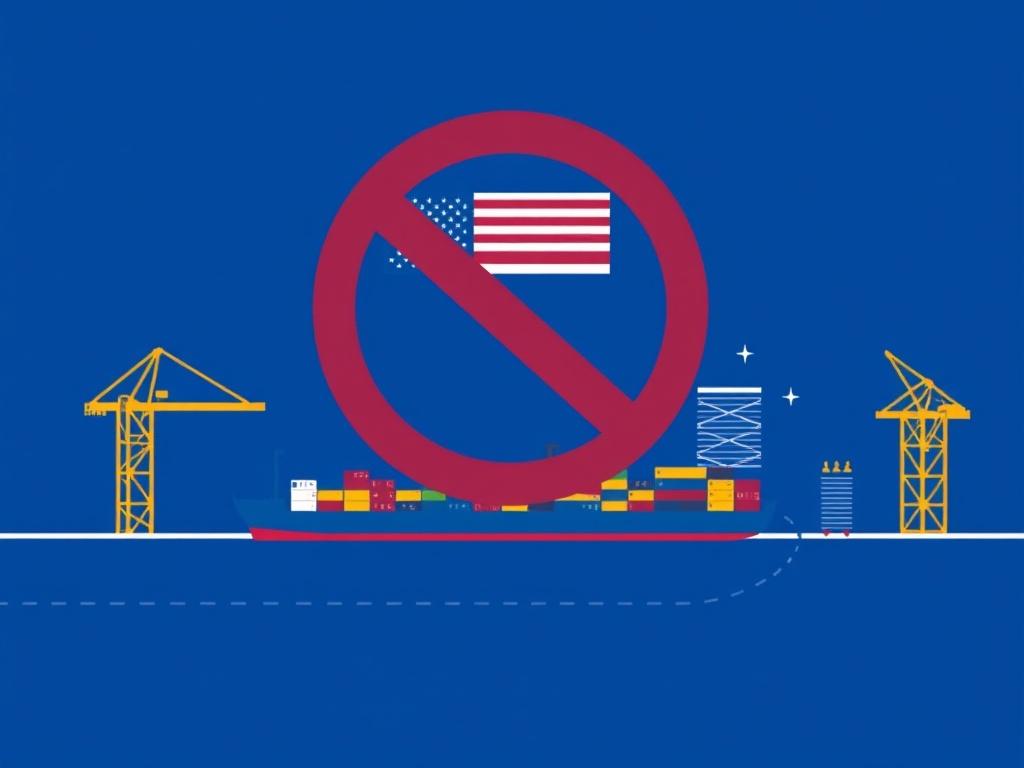
Customs authorities take misdeclaration seriously. Penalties can include fines, back duties, interest, and criminal charges in egregious cases. Authorities also publicize enforcement actions to deter others.
Reputational harm and disrupted logistics are real costs. A seized shipment can stop production lines, trigger customer penalties, and damage supplier relationships. Compliance investment is insurance against these risks.
Even well-intentioned companies can make errors. Regular internal audits, third-party reviews, and training for logistics and procurement teams reduce the chance of accidental misclassification or documentation gaps.
Technology and data: tools that make tariff planning practical

Taxonomy and classification software can automate HTS assignment and flag changes in tariff schedules. Integrating tariff data into your ERP allows real-time landed cost calculations at SKU level.
Trade compliance platforms track supplier certificates, manage binding rulings, and streamline drawback claims. These systems reduce manual paperwork and improve audit readiness.
Data analytics helps prioritize where to focus mitigation: identify the SKUs that contribute the most to duty spend and treat those as high-priority for sourcing redesign or legal strategies.
When to act and how to prioritize efforts
Start with the highest-value SKUs and those with the greatest tariff differential between sourcing options. Tactical efforts make sense for low-value, transient tariff spikes, while strategic shifts—like changing manufacturing location—are warranted for long-term or high-impact duties.
Balance effort and reward. Reconfiguring a supply chain to shave off a few tenths of a percent is rarely worth the cost and disruption. Focus on moves that materially alter landed cost or reduce volatility.
Engage stakeholders across procurement, engineering, tax, and legal early. Successful tariff mitigation touches multiple functions and requires coordinated execution.
Ethics and best practices: keep compliance at the core
Always anchor decisions in legal compliance and corporate ethics. Avoid any tactic that involves fraudulent documentation or misrepresentation. Customs enforcement increasingly uses data analytics and cross-border information sharing, making concealment both harder and riskier.
Transparency with customs pays off. When in doubt, seek a ruling or consult a trade lawyer. Proactive disclosure and remediation are looked upon more favorably than being caught after-the-fact.
Supply chain resilience and ethical sourcing are increasingly part of brand value. Customers and business partners expect traceability and lawful conduct. Good compliance is also good business.
Tariff exposure is a solvable problem if you treat it as part engineering, part law, and part strategy. Audit your supply chain, use trade agreements and customs tools intelligently, and build the documentation and supplier relationships that let you prove your duty position. With the right mix of planning, expert help, and operational flexibility, you can reduce tariffs in ways that are sustainable, defensible, and aligned with your business goals.