Free trade zones have become one of the most practical tools for companies that want to manage customs costs without crossing legal lines. These specially designated areas let businesses pause tariffs, streamline paperwork, and sometimes transform goods in ways that change how duties apply. This article walks through how free trade zones function, what strategies are legitimate, and how to set up compliant operations that reduce tariff burdens rather than undermine them.
- What is a free trade zone?
- How free trade zones work in practice
- Main mechanisms used inside FTZs
- Legal frameworks and international rules
- Customs supervision and documentation
- How companies legally reduce tariff burdens
- Bonded manufacturing and assembly
- Rules of origin and FTZs
- Preferential access examples
- Special programs and incentives tied to FTZs
- When tariff drawbacks come into play
- Common pitfalls and compliance risks
- Tariff engineering: the legal and ethical boundary
- How to set up FTZ operations: practical steps
- Operational checklist for new zone users
- Costs and fees: the real economics
- Case study: small appliance manufacturer
- International examples and variations
- Comparing features: a short table
- Working with customs brokers, lawyers, and consultants
- Designing contracts and supplier terms
- Practical tips for small and medium enterprises
- When an FTZ is not the right choice
- Future trends: digitalization, blockchain, and single-window systems
- Policy changes and political risks
- Final practical checklist before launching an FTZ program
What is a free trade zone?
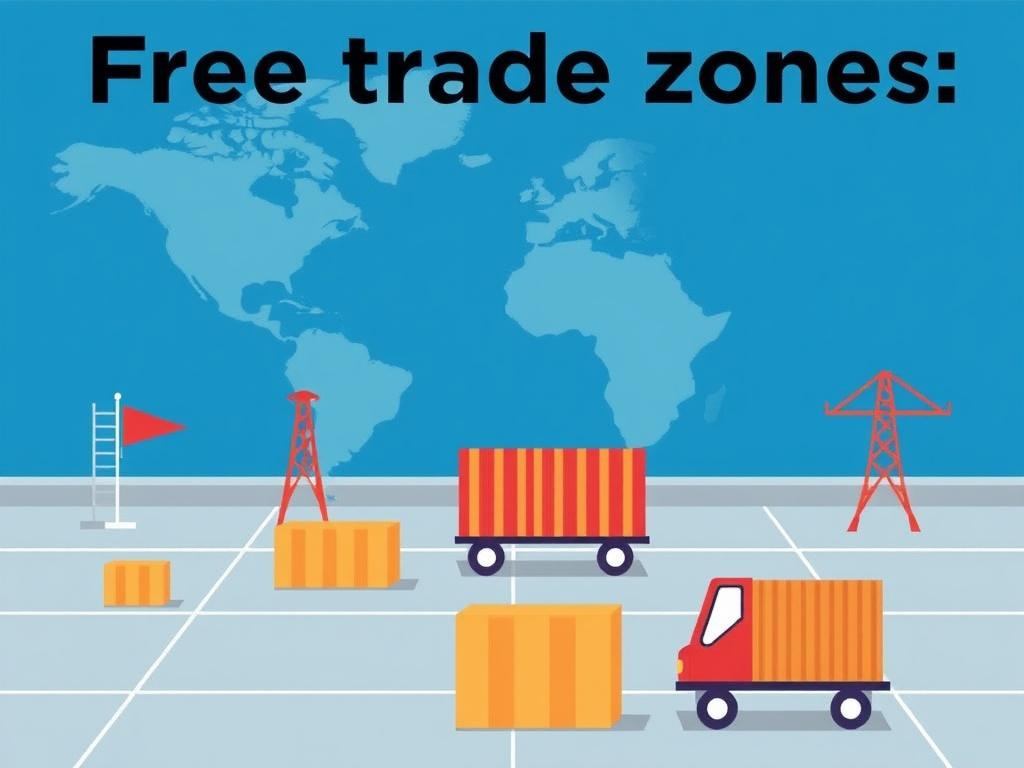
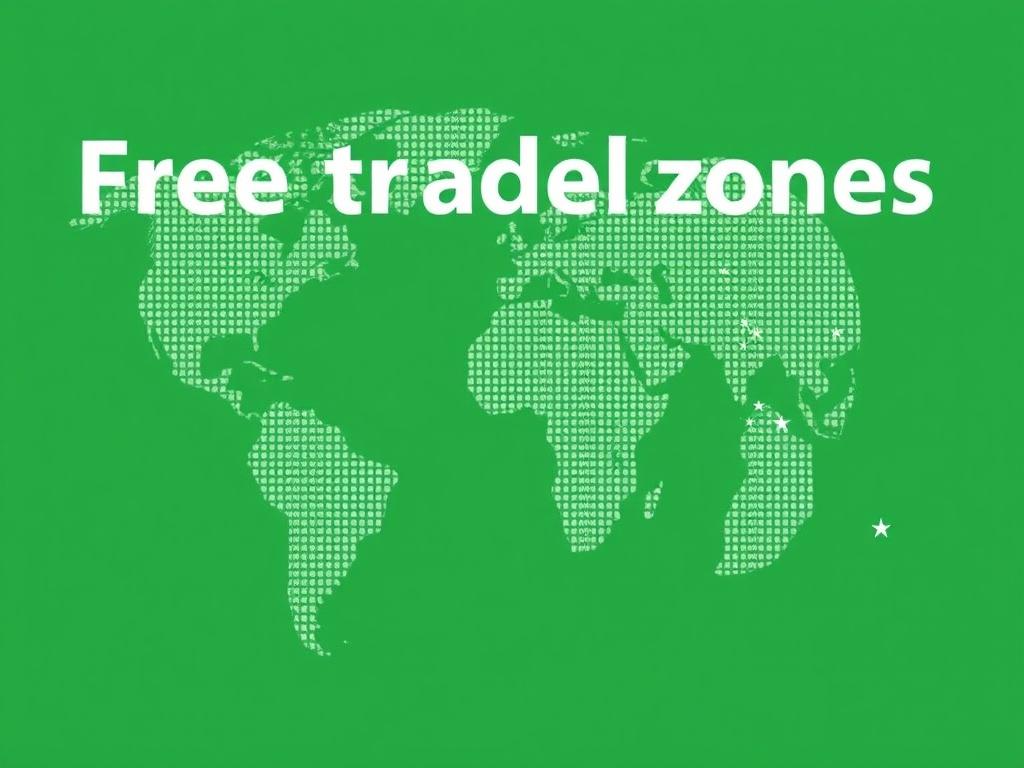
A free trade zone (FTZ) is a geographic area where goods can be imported, stored, assembled, or manufactured with customs duties deferred or eliminated until the products enter the domestic market. FTZs go by several names—foreign-trade zones in the United States, bonded warehouses in some jurisdictions, and free zones in others—but the underlying idea is the same: delay or avoid customs charges while goods are under controlled conditions. Governments create these zones to attract investment, speed logistics, and support export-oriented activities.
Legally, an FTZ is not a tax haven; it operates under customs supervision and must comply with local law and international trade rules. The exact benefits and requirements vary by country, so a garment manufacturer in India faces different rules than an electronics assembler in Dubai. Still, the principle—that duties attach when goods enter domestic commerce—remains central across systems.
How free trade zones work in practice
At the most basic level, goods enter the FTZ without being formally imported into the host country. They can be stored, tested, repaired, or transformed inside the zone, and customs duties only apply if and when the goods leave the zone for consumption in the host country. If goods are re-exported from the FTZ to another country, duties are usually never paid to the host nation.
Operators in FTZs use customs bond guarantees, inventory control systems, and approved procedures to maintain visibility and compliance. Customs authorities require accurate records, regular audits, and reporting; that oversight is what differentiates lawful tariff management from evasion. Companies that adopt FTZ benefits typically invest in compliance systems because the cost of getting it wrong can be large—penalties, seizure, and reputational damage.
Main mechanisms used inside FTZs
There are a few common mechanisms that businesses rely on inside FTZs: storage and distribution, light manufacturing or assembly, inward processing relief, and temporary admission for repairs or exhibitions. Each mechanism has distinct rules and documentation requirements, and not every FTZ permits every activity. Understanding permitted activities is an early and critical step for any plan to use zone privileges.
For example, inward processing relief allows companies to import raw materials duty-free for manufacturing goods intended for export. If the finished products are exported, duties stay unpaid; if they enter the domestic market, duties are calculated on the finished goods, which can be lower than on the component parts. That can create real savings when tariff structures penalize certain inputs more than finished articles.
Legal frameworks and international rules
Free trade zone rules sit at the intersection of national customs law and international trade obligations. Countries establish FTZ regulations consistent with their World Trade Organization commitments, though there is room for national variation. The United States, for example, operates the Foreign-Trade Zones Act and a network of grantees and subzones with specific compliance and reporting rules.
At the international level, rules of origin and trade agreements shape whether goods exiting an FTZ receive preferential treatment. If a product moves through an FTZ and later claims preferential tariff treatment under a free trade agreement, authorities will expect proper documentation showing where value was added and that origin rules have been met. Misrepresenting origin or value can trigger penalties and retroactive duties.
Customs supervision and documentation
Reliable recordkeeping is the backbone of any legitimate FTZ operation: arrival records, inventory logs, transformation records, shipping documents, and audit trails. Customs authorities commonly require bonded inventory systems that track each item’s status—whether it’s in storage, transformed, or exported. Companies need staff trained in customs coding, valuation, and reporting to maintain those systems correctly.
Additionally, transfers between the FTZ and domestic customs territory require formal entries, duty payments where applicable, and precise declarations. Software and electronic data interchange are increasingly used to maintain transparency, but technology must be paired with internal controls to prevent errors or deliberate misuse. In practice, many audits turn on weak or inconsistent documentation rather than on the legitimacy of the business model itself.
How companies legally reduce tariff burdens
There are several lawful strategies that businesses use inside FTZs to reduce or defer tariffs. Deferred duty payment is the simplest: duties are postponed until the goods leave the zone for domestic consumption. In many cases companies never pay duties because the goods are re-exported or transformed into lower-duty products before domestic entry.
Another strategy is tariff classification optimization—accurately classifying products to ensure they fall under the correct duty rate. Tariff engineering, when done legally, restructures products or packaging to meet a different tariff classification without changing the product’s essential nature. But tariff engineering walks a fine line and must be fully documented and defensible under customs law.
Bonded manufacturing and assembly
Bonded manufacturing is a common FTZ use: import parts duty-free, assemble a finished item, and export the finished item without paying the host country’s duties. If the finished goods are sold domestically, duties are generally due on the finished product’s tariff classification, which is sometimes lower than the combined duties on individual parts. This can be a legitimate route to lower tariff incidence when rules are followed carefully.
For example, an electronics firm might import chips duty-free into a free zone, assemble a device, and ship it to buyers abroad. If some devices are sold locally, duties are calculated on the assembled device rather than on each imported chip, often resulting in savings. Customs authorities expect precise manufacturing records showing exactly how inputs became outputs.
Rules of origin and FTZs
Rules of origin determine whether a product qualifies for preferential tariff treatment under a trade agreement. FTZ operations can complicate origin claims because they introduce a jurisdiction where goods can be modified before entering another market. Authorities look for evidence that sufficient value was added in qualifying territories to justify origin claims.
Supplying correct certificates of origin and maintaining full manufacturing records is essential. If a product passes through an FTZ and later claims preferential treatment under a trade deal, customs officers will inspect whether the transformation in the FTZ meets the origin criteria. When value-added thresholds or substantial transformation tests are not met, preferential access can be denied.
Preferential access examples
A garment assembled using fabric and trims from multiple countries might only qualify for a trade preference if the fabric underwent substantial transformation in a qualifying country. In an FTZ, the assembler must show that the transformation occurred in the qualifying territory and that inputs sourced from outside do not disqualify the product. Properly executed, FTZs can support origin claims; poorly documented, they can sabotage them.
Businesses often consult customs brokers and trade lawyers to design FTZ workflows that preserve or create origin eligibility. Those advisors help map where inputs come from, what processing is required, and what documentation will be persuasive under scrutiny. Planning ahead prevents wasted benefits and customs disputes later on.
Special programs and incentives tied to FTZs
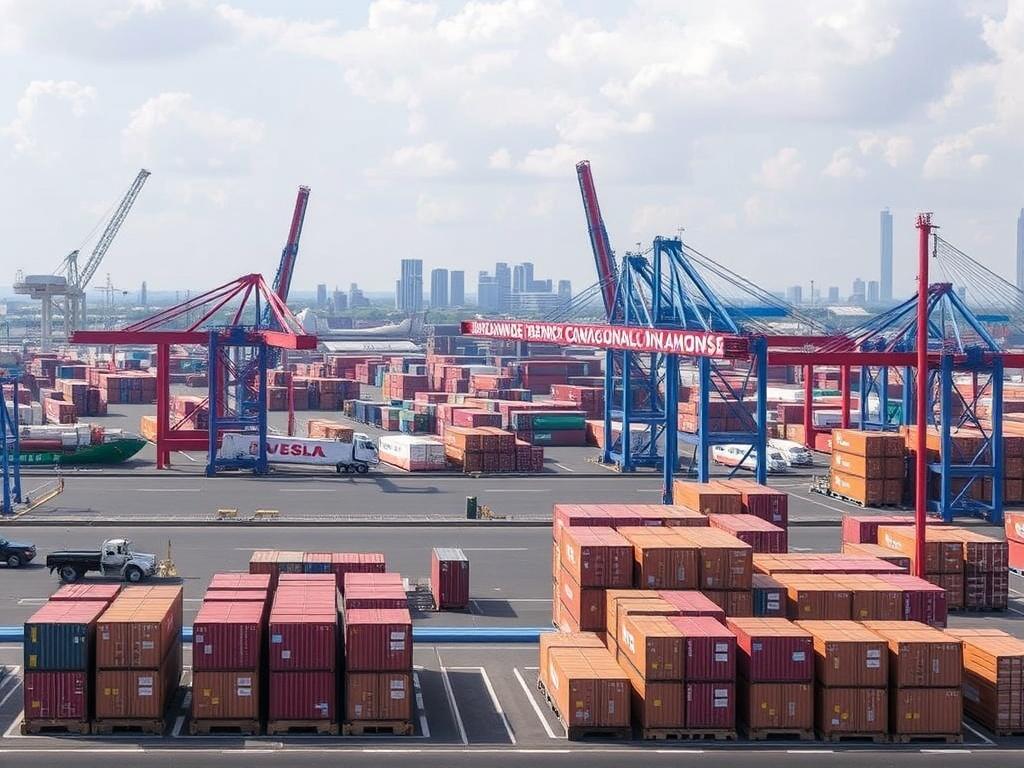
Beyond duty deferral, many jurisdictions attach tax incentives, reduced regulatory burdens, or streamlined licensing to FTZ operations. Some zones offer landlord services, dedicated customs liaisons, and simplified entry formalities to speed cargo movements. Governments use these incentives to compete for investment by lowering both tariff and non-tariff costs.
In the United States, FTZ grantees often provide educational support and compliance assistance to zone users. Other countries create export processing zones that include tax holidays, discounted utilities, and fast-track visas for skilled workers. Each program has strings attached—time limits, minimum investment, or export performance requirements—so businesses must evaluate the net benefit carefully.
When tariff drawbacks come into play
Tariff drawback permits businesses to reclaim duties paid on imported inputs that are subsequently exported as part of a finished product. Some FTZ systems simplify drawback procedures by allowing companies to reclaim duties without re-importing goods. Drawback is especially valuable when duties were paid before a company could qualify for FTZ treatment or when a portion of production leaves the domestic market.
Drawback tends to be paperwork-heavy: firms must document the link between imported inputs and exported outputs, maintain serial numbers or batch records, and file precise claims. However, when correctly executed, drawback recovers costs and can improve export competitiveness without changing production location.
Common pitfalls and compliance risks
Operating inside an FTZ reduces certain costs but introduces compliance responsibilities that many companies underestimate. Typical pitfalls include weak inventory controls, inaccurate tariff classification, improper valuation of goods, and failure to meet origin or licensing requirements. These errors can lead to penalties that outweigh any duty savings.
Customs audits in FTZs often focus on discrepancies between physical inventory and recorded inventory, unexplained transformations, and missing documentation. Small businesses especially may assume the initial setup is a one-time effort and neglect ongoing training, which increases exposure to mistakes. Regular internal audits and robust IT systems are practical defenses against common compliance failures.
Tariff engineering: the legal and ethical boundary
Tariff engineering attempts to alter a product or its presentation to qualify for a lower duty rate—such as changing packaging or minor product components. It is legal when the change is substantive and properly declared, but customs authorities scrutinize engineered alterations that appear designed solely to avoid duties. The distinction between clever design and improper evasion can be narrow and fact-dependent.
Companies using tariff engineering should document the commercial rationale for changes and be prepared to justify decisions under penalty of perjury in customs filings. Consulting counsel before implementing significant changes is prudent. Overreliance on creative classification without legal support is a frequently cited reason for customs disputes.
How to set up FTZ operations: practical steps
Setting up in an FTZ requires a combination of corporate planning, legal review, and logistics coordination. First, identify whether the target jurisdiction’s FTZ permits the intended activity: storage, manufacturing, or distribution. Next, evaluate the financial case—anticipated duty savings, additional fees, and compliance costs—so the math makes sense beyond the upfront allure of deferred duties.
Stakeholder engagement is key: customs authorities, logistics providers, zone operators, and local legal counsel all play roles. Early meetings with the FTZ administrator clarify permissible activities, required bonds, and reporting formats. Transparent dialogue with customs often speeds approvals and reduces surprises down the road.
Operational checklist for new zone users
Operational readiness means setting up IT systems, hiring or training customs specialists, and creating standard operating procedures for inventory, labeling, and documentation. Many FTZ operators require users to maintain bonded status through a bond or financial guarantee; arranging this financial collateral is an early task. Finally, agree on inspection protocols and contingency plans for recalls, damaged goods, or compliance questions.
Below is a brief checklist to get started. Use it as a basis for deeper planning tailored to your product and jurisdiction.
- Confirm allowed activities in the chosen FTZ and applicable laws.
- Run a financial model including duties, fees, and compliance costs.
- Put in place inventory and customs recordkeeping systems.
- Obtain necessary bonds, licenses, and customs authorizations.
- Train staff and document standard operating procedures.
Costs and fees: the real economics
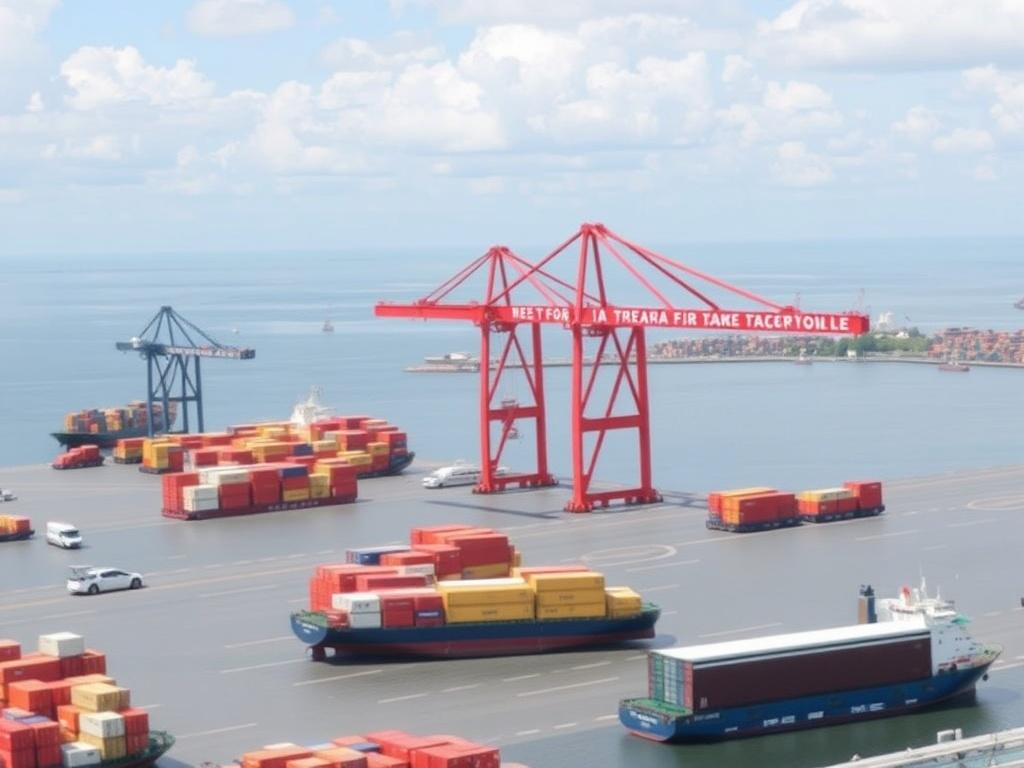
While FTZs offer duty deferral and sometimes elimination, they are not free. Zone operators charge rent, handling fees, and administrative charges, and customs may require bonds or user fees. A realistic economic assessment includes these ongoing costs plus compliance investments such as software, internal audits, and skilled staff.
For some businesses the math is clear—high duties on imported inputs combined with an export-heavy business model create large savings. For others, the savings are marginal after fees. A detailed cost-benefit analysis over multiple scenarios—different sales channels, duty rates, and production mixes—is essential before committing resources to an FTZ strategy.
Case study: small appliance manufacturer
I worked with a small appliance company that moved a portion of its component import, assembly, and export operations into a U.S. foreign-trade zone. The company saved duties on parts that would have otherwise attracted higher rates, and it used inward processing relief to justify duty payments only on final products sold domestically. The initial administrative work was substantial but spread over years of savings that improved margins and international competitiveness.
The key takeaway from that project was not merely the tariff savings but the discipline the FTZ forced around inventory and planning. The company’s processes became more efficient, transit times shortened, and customer service improved because goods destined for export were staged for rapid shipment. Those operational improvements were as valuable as duty savings in the mid-term.
International examples and variations
FTZ programs vary widely. The Jebel Ali Free Zone in Dubai is oriented toward large-scale logistics and manufacturing with world-class port links. Shannon Free Zone in Ireland historically attracted aircraft and technology investments with a mix of tax incentives. China’s special economic zones, while broader than classic FTZs, used duty and tax incentives to drive rapid export-led growth. Each model adapts to local priorities—trade facilitation, industrial policy, or export promotion.
Understanding international differences helps firms structure cross-border supply chains. A company might use an FTZ in one country primarily for temporary storage and transfer, while another country’s zone is suited for labor-intensive assembly because of local incentives. Cross-border planning must account for differing rules on value addition, customs valuation, and permitted processing activities.
Comparing features: a short table
The table below highlights common FTZ features and where they typically provide value. It is a simplified snapshot—local law and zone-specific rules always govern final outcomes.
| Feature | Typical benefit |
|---|---|
| Duty deferral | Improves cash flow and reduces carrying cost if goods are re-exported |
| Bonded manufacturing | May lower duties if finished goods have lower tariff rates than components |
| Drawback | Recovers previously paid duties when goods are exported |
| Tax incentives | Reduces corporate or local taxes in some jurisdictions |
Working with customs brokers, lawyers, and consultants
No company should treat FTZ setup as a purely internal logistics decision. Customs brokers provide the day-to-day expertise for entries and classifications, while trade lawyers interpret rules and defend positions if disputes arise. Consultants can map supply chains to identify where FTZ benefits are greatest and prepare documentation templates.
Choosing advisors with FTZ-specific experience is critical. Advisors who understand the local authority’s audit tendencies and procedural preferences can save time and reduce friction. I’ve seen well-intentioned projects stall because advisors lacked practical experience with local customs workflows, so vetting references and prior FTZ engagements matters.
Designing contracts and supplier terms
Contracts with suppliers and customers should reflect FTZ arrangements: who bears the duty risk, how value is declared, and where title transfers. Incoterms and purchase agreements must be coordinated with FTZ workflows to avoid ambiguities. If a supplier is responsible for origin documentation, that obligation should be explicit and enforceable in contract terms.
Including audit rights, record-retention clauses, and cooperative dispute resolution steps in supplier contracts reduces downstream compliance risk. When multiple parties touch the goods—suppliers, freight forwarders, zone operators—clear contractual allocations of responsibility keep customs risk from becoming a shared mess later on.
Practical tips for small and medium enterprises
Small businesses often fear FTZ complexity, but several pragmatic approaches make participation manageable. Start with a narrow pilot: use the zone for warehousing or a single production line to learn the ropes. Outsource customs operations to experienced brokers rather than building internal capabilities immediately. A measured approach controls risk and spreads learning costs.
Invest in staff training early. Even if brokers handle most filings, having internal personnel who understand inventory flows and documentation helps prevent errors. Make compliance visible—weekly reconciliation between physical counts and bonded inventory records reduces the likelihood of audit exceptions and demonstrates good faith to customs officials.
When an FTZ is not the right choice
Not every business benefits from an FTZ. If your sales are primarily domestic and duty rates on finished goods exceed those on inputs, FTZ advantages may be minimal. The fixed costs of zone fees, bonds, and compliance might outweigh the duty savings. Also, businesses operating under tight lead times might find extra steps burdensome despite the potential cash-flow benefits.
Companies should run conservative scenarios: a best-case savings model, a moderate case, and a stress test where exports decline. If the FTZ still shows advantage under stress, then the decision is more defensible. Otherwise, simpler customs strategies—improved classification, negotiated rulings, or targeted drawback claims—might be preferable.
Future trends: digitalization, blockchain, and single-window systems
Customs administrations worldwide are modernizing. Electronic single-window systems, blockchain-enabled supply chain records, and AI-driven risk assessment tools are changing how FTZ compliance is performed. Digital records improve transparency and reduce reconciliation errors, making zone audits faster and less contentious. Early adopters of modern systems often gain smoother customs interactions.
Blockchain pilots have been used to show immutable provenance and to speed proofs of origin or chain-of-custody checks. While widespread blockchain adoption is still nascent, electronic certificates and tamper-resistant records are becoming common, lowering the administrative burden of proving compliance. Companies that invest in interoperable data systems find it easier to expand FTZ operations across multiple jurisdictions.
Policy changes and political risks
FTZ benefits depend on political stability and policy consistency. Trade policy shifts, tariff changes, and sudden regulatory tightening can alter the economics of an FTZ overnight. Firms must monitor trade policy closely and design supply chains with flexibility so that changes in tariff schedules or origin rules do not produce untenable exposure. Scenario planning and agile sourcing strategies are becoming essential parts of trade policy risk management.
Engaging in industry associations and working with local trade bodies helps companies stay ahead of regulatory changes. Many associations maintain dialogue with customs authorities and can be early sources of guidance when new interpretations emerge. Active engagement reduces surprises and gives firms a voice in shaping practical administrative practices.
Final practical checklist before launching an FTZ program
Before committing to a free trade zone strategy, confirm four essentials: permitted activities, accurate cost modeling, compliance staffing or outsourcing, and documented contractual arrangements with suppliers and customers. Make sure you have an implementation timeline that includes pilot runs, staff training, and an internal audit schedule. These steps turn theoretical savings into reliable, auditable outcomes.
Remember that FTZs are tools, not panaceas. Used correctly, they improve cash flow, reduce tariffs on re-exported goods, and enable efficient manufacturing and logistics. Misused or poorly managed, they create audit exposure and financial surprises. Thoughtful planning, honest assessment, and meticulous documentation are the practices that keep tariff mitigation on the right side of the law.
Free trade zones remain a practical, legally sound way to manage customs costs when applied with care. For businesses that combine clear strategy, robust controls, and experienced advisors, FTZs can unlock predictable savings and operational advantages that support international growth. The key is to treat these zones as governed commercial spaces—subject to rules, oversight, and the consequences of error—rather than as loopholes to be exploited.