Tariffs on pharmaceuticals: Life-saving drugs get more expensive is not just a policy headline — it is a reality that can alter treatment choices at kitchen tables and in hospital wards. When governments impose taxes on imports or when trade disputes ripple through global supply chains, the price patients pay for essential medicines can rise, sometimes sharply. This article traces how tariffs translate from customs paperwork to higher co-pays, and what that means for individuals, health systems, and global equity.
- How tariffs work and why they matter for medicines
- Supply chain anatomy: the long journey behind a simple pill
- Active pharmaceutical ingredients and intermediates
- Packaging, devices, and the overlooked inputs
- Who pays: patients, insurers, and public health
- Examples and stories
- Table: who is affected and how
- The economics: price transmission, elasticity, and market structure
- Regulatory and political drivers of tariffs
- Global inequality: developing countries and access to medicines
- Policy options: how to prevent tariffs from starving care
- Industry responses and innovation strategies
- What patients and advocates can do
- Balancing industrial policy and health priorities
- Legal frameworks and emergency exceptions
- Measuring the impact: data gaps and research needs
- Final thoughts: where trade meets health
How tariffs work and why they matter for medicines
At their simplest, tariffs are taxes placed on goods as they cross a border. A government sets a tariff rate — often a percentage of the shipment’s value — and the importer pays that sum. For pharmaceuticals, the value being taxed can include active ingredients, finished products, packaging, or even certain manufacturing inputs.
Though the mechanism is straightforward, the consequences are complex. Medicines pass through many hands and stages, so a tariff on a raw material can cascade: higher input costs for manufacturers, higher wholesale prices for distributors, and ultimately higher out-of-pocket costs for patients. In markets with thin margins or strong price controls, companies may also cut production or withdraw products entirely rather than absorb rising costs.
Tariffs also interact with other trade measures — quotas, anti-dumping duties, or sanctions — and with non-tariff barriers such as certification requirements. Together, these policies shape where medicines are made, how resilient supply chains are, and whether vulnerable populations can reliably access life-saving treatments.
Supply chain anatomy: the long journey behind a simple pill
Most people picture a pill in a bottle, but that single tablet rests on an intricate global supply chain. Ingredients originate in chemical plants, then travel to synthesis facilities where active pharmaceutical ingredients (APIs) are produced. Finished-dose manufacturers take those APIs, combine them with excipients, and create tablets, injectables, or inhalers that end up in pharmacies.
This layered process means tariffs on any stage can matter. A duty on a chemical precursor in one country can increase the cost of an API in another, which then raises the cost of the finished drug somewhere else entirely. Freight, insurance, and exchange rates complicate the arithmetic further, so the tariff’s sticker price often understates the full economic effect.
Logistics play an overlooked role, too. Delays at ports, extra documentation, or rerouting to avoid tariffs generate time costs and administrative fees. For drugs with short shelf lives or those needed for acute care, delays caused by trade frictions can be as damaging as price increases.
Active pharmaceutical ingredients and intermediates
APIs are the chemical compounds that produce the therapeutic effect in a medication. Many countries rely on a handful of global producers for these inputs, and concentrations of production in one region create vulnerabilities. When a tariff raises the cost of importing APIs, manufacturers face a direct hit to their cost base.
Because generic producers operate on tight margins, an API price increase can push a once-viable product out of market. That results not just in higher list prices but sometimes in shortages. Shortages drive up the price further and force prescribers to seek alternatives that may be more expensive or less effective for individual patients.
Packaging, devices, and the overlooked inputs
Packaging — bottles, blister packs, syringes, and cold-chain components — is essential for safe delivery. Tariffs on these items are rarely examined when people debate drug prices, yet they matter. For biologics that require refrigerated transport, tariffs on specialized equipment or insulation materials can add meaningfully to the final cost.
Even labels and caps can be part of international supply chains. Small increases in these item costs multiply across millions of units. Policymakers who focus solely on APIs or finished drugs risk overlooking these incremental but cumulative burdens that affect affordability and availability.
Who pays: patients, insurers, and public health
When tariffs push up the price of medicines, the cost is distributed across several actors. In systems with universal coverage, governments and insurers typically shoulder a large share, translating into higher premiums or larger budgetary outlays. In markets with heavy out-of-pocket spending, patients absorb most of the increase directly at the pharmacy counter.
Higher prices influence behavior. Patients may skip refills, ration doses, or opt for older, less effective therapies. Clinicians, facing constrained formularies or insurance prior authorization hurdles, may prescribe alternatives that offer lesser outcomes. These choices can worsen health disparities, particularly among low-income and chronically ill populations.
For public health, the stakes are systemic. Reduced access to essential medicines undermines treatment programs for chronic diseases like diabetes and HIV, weakens antimicrobial stewardship by pushing prescribers toward broader-spectrum agents, and can increase hospitalizations when outpatient management fails. The ripple effects of a single tariff can therefore extend far beyond immediate financial burdens.
Examples and stories
Trade tensions in recent years have provided practical illustrations. During episodes of heightened tariffs and trade uncertainty, pharmaceutical companies reported higher input costs and longer lead times. Some manufacturers proactively shifted sourcing or increased inventory as a hedge, actions that carried their own costs and complexities.
I remember interviewing a hospital pharmacist in the Midwest who described a sudden uptick in the price of a common injectable antibiotic after a tariff-related bump in API costs. The hospital absorbed the bill initially, but administrators later delayed other investments to cover the rise. For clinicians and patients, the result was invisible paperwork and, at the bedside, the stress of constrained formularies.
Another example comes from smaller producers in low- and middle-income countries. When their import costs rose due to tariffs on raw materials, they either raised local prices or reduced the product range. Patients in those markets often have fewer alternatives, so the local impact of a tariff can be disproportionately large compared with high-income settings.
These stories are not universal law; responses vary by company size, market structure, and policy context. Still, they illustrate a common logic: tariffs raise input costs, which ripple through to availability and affordability, and the human consequences are immediate and concrete.
Table: who is affected and how
The following table outlines principal stakeholders and typical effects when tariffs increase along pharmaceutical supply chains.
| Stakeholder | Typical impact from tariffs |
|---|---|
| Patients | Higher co-pays or out-of-pocket costs; potential rationing or treatment delays |
| Manufacturers | Higher input costs; margin pressure; potential withdrawal from low-margin products |
| Distributors and pharmacies | Inventory costs rise; pass-through of price increases; tighter credit terms |
| Insurers and governments | Higher reimbursement costs; pressure on budgets; possible access restrictions |
| Global health programs | Reduced purchasing power; fewer supplies for vaccination and treatment campaigns |
The economics: price transmission, elasticity, and market structure
How much of a tariff gets passed on to patients depends on price transmission within the supply chain. In highly competitive markets, companies may absorb some costs to preserve market share. Where manufacturers or distributors have market power, they may pass through most or all of a tariff to downstream buyers.
Price elasticity of demand for many life-saving medicines is low: patients often cannot forgo treatment even if prices rise. That inelasticity enables price increases to be absorbed by consumers or payers without large demand reductions, which is why tariffs on essential drugs can be particularly potent at increasing expenditures. The ethical dimension is stark: people pay with their health or their wallets.
Market structure matters. In many segments, a few large firms dominate production of certain APIs or patented drugs. Concentration reduces flexibility in sourcing and raises the cost of switching suppliers. Tariffs in such concentrated markets can therefore have outsized effects compared with more distributed industries.
Regulatory and political drivers of tariffs
Tariffs seldom arise from a vacuum. They reflect policy choices aimed at revenue generation, protecting domestic industries, or retaliating in trade disputes. Policymakers may prioritize industrial policy goals — job protection or reshoring manufacturing — but these objectives carry trade-offs for medicine costs and access.
Political considerations often elevate tariffs during disputes or election cycles, when signaling strength in trade negotiations matters. Health care, however, is a politically sensitive sector; raising medicine prices can provoke strong public backlash. That tension shapes the design and implementation of tariff policies, sometimes leading to exemptions, temporary waivers, or targeted relief measures.
International trade agreements and the World Trade Organization framework constrain some tariff actions but leave room for safeguard measures. Importantly, non-tariff measures — like export controls, licensing requirements, or quality inspections — can be used instead of, or alongside, tariffs, and these measures can similarly disrupt medicine flows.
Global inequality: developing countries and access to medicines
Developing nations face particular risk when tariffs or trade restrictions affect pharmaceutical inputs. Many rely on imports for critical APIs and have limited capacity to pivot to domestic production quickly. Tariffs can therefore amplify existing disparities in access to essential medicines between rich and poor countries.
Lower-income governments also have less fiscal flexibility to absorb increased procurement costs. When prices climb, procurement agencies may reduce order volumes, lengthen tender cycles, or switch to less effective alternatives. The public health consequences include treatment interruptions and weakened disease control programs.
Moreover, tariffs can discourage international manufacturers from supplying small or low-margin markets, creating availability gaps. These supply decisions are partly commercial, partly regulatory — tariff policy nudges both — and the net effect can be the shrinkage of options for clinicians and patients where reliable access is already tenuous.
Policy options: how to prevent tariffs from starving care
Policymakers possess several levers to reduce the harmful effects of tariffs on medicines. One approach is targeted tariff exemptions for essential medicines and their inputs, which can prevent added costs from hitting the most critical supply chains. Exemptions require clear lists and careful administration to avoid loopholes, but they can be effective in preserving access.
Another option is to enhance strategic stockpiles and diversify sourcing. Maintaining buffer stocks reduces vulnerability to temporary price spikes, while encouraging multiple suppliers lessens dependence on any single country. These measures are not free — they require investment and sound logistics — but they can protect patients during trade disruptions.
Trade policy can also be aligned with health objectives through international cooperation. Bilateral or multilateral agreements may include provisions to keep key pharmaceutical inputs tariff-free, and global health diplomacy can prioritize uninterrupted flows of essential medicines during disputes. Coordination between trade and health ministries is crucial to realize these alignments.
Below are additional policy tools often discussed by economists and health policymakers:
- Temporary tariff relief during public health emergencies to ensure rapid access to supplies.
- Tax credits or subsidies for domestic production of critical APIs, balanced to avoid protectionism.
- Regulatory harmonization to reduce non-tariff barriers and speed approval of alternative suppliers.
- Transparency measures requiring firms to disclose price components so policymakers can target interventions.
Industry responses and innovation strategies
Pharmaceutical companies respond to tariffs in varied ways depending on size, product portfolio, and market exposure. Large multinationals may shift production, invest in regional manufacturing hubs, or renegotiate contracts to share costs. Smaller firms — especially generic manufacturers — often lack the capital to reshape their supply chains and may face existential pressure.
Some companies pursue vertical integration, taking control of more of the supply chain to insulate themselves from trade shocks. Others rely on long-term supply agreements and hedging strategies to smooth price volatility. These corporate decisions change the competitive landscape over time, influencing which products remain affordable and which become scarce.
Innovation in procurement and distribution also appears. For example, pooled purchasing among health systems or regional coalitions can create buying power that blunts price increases. Digital tools for tracking shipments and predicting shortages improve resilience, but they cannot fully substitute for well-designed trade policies that keep essential inputs accessible.
What patients and advocates can do
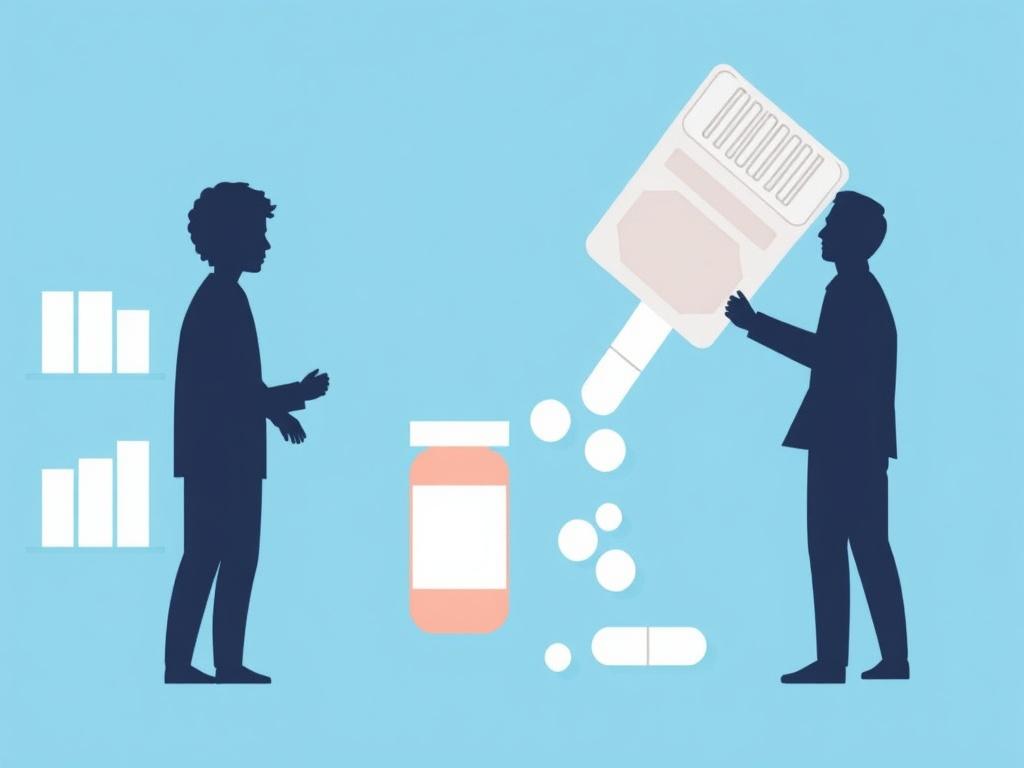
Patients and advocates have leverage, even when trade policy feels remote. Advocacy can push legislators to exempt essential medicines from tariffs or to fund strategic stockpiles. Public campaigns that frame tariffs as a health issue — not just an economic one — often gain bipartisan attention, because voters respond to real threats to care.
At the local level, patient groups can work with clinicians and pharmacists to monitor price changes and help people navigate alternatives when costs rise. Community organizations also play a role in spotlighting inequitable effects of trade measures, ensuring that policy debates consider the lived experience of those who rely on medicines daily.
Finally, transparency from manufacturers and governments helps. When price changes are visible, stakeholders can hold decision-makers accountable and design targeted mitigation measures. Advocacy for open data on procurement and pricing is a practical step that empowers both policymakers and patients.
Balancing industrial policy and health priorities
Many governments legitimately aim to rebuild domestic pharmaceutical capacity for reasons of security and jobs. Those objectives can be pursued while protecting access to medicines, but it requires deliberate trade-offs and careful sequencing. Rushing to impose tariffs without transitional plans risks immediate harm to patients for speculative future gains.
A balanced approach might include time-limited incentives for onshore production, paired with exemptions for essential imports until domestic capacity matures. Investing in workforce training, regulatory infrastructure, and public–private partnerships can accelerate local capacity without creating immediate price shocks. These are complex policy choices, but they are feasible when health outcomes are placed alongside industrial goals.
Critically, policymakers should measure both short-term costs and long-run benefits. Domestic industry development takes years and requires sustained funding. In the interim, maintaining low barriers for critical inputs preserves continuity of care, which often has immediate and measurable public health value.
Legal frameworks and emergency exceptions
International trade law allows for emergency measures under particular circumstances, including public health threats. Governments can temporarily restrict exports or adjust tariffs when necessary to secure domestic supply, but such measures carry international obligations and often require justification. Overuse can invite retaliation or erode cooperative frameworks that enable global access to medicines.
Emergency exceptions should be narrowly tailored and time-limited to avoid unintended long-term market distortions. Clear criteria for invoking these measures, plus coordination with international partners, helps ensure that emergency tools protect populations without undermining the global trade architecture that supports medicine availability.
Importantly, legal measures alone cannot substitute for supply chain resilience and good governance. Transparency, data sharing, and careful procurement practices remain essential complements to any legal toolkit applied during crises.
Measuring the impact: data gaps and research needs

Quantifying precisely how tariffs affect drug prices is challenging because of limited public data on cost structures and confidential commercial arrangements. Researchers can estimate correlations between tariff changes and retail prices, but disentangling tariffs from other factors — like currency fluctuations, demand shifts, or regulatory changes — requires sophisticated analysis.
Improving data collection on input sources, procurement contracts, and price components would allow policymakers to design more targeted interventions. Academic-industry-government partnerships can help fill these gaps while respecting legitimate commercial sensitivities. Better evidence would enable smarter trade policy that protects both domestic interests and public health.
For patient advocates and researchers, pushing for transparency is both practical and strategic: clear data reveals where interventions can be most effective and prevents blanket measures that harm access without delivering intended economic benefits.
Final thoughts: where trade meets health

Tariffs intersect with medicine access in ways that are often invisible until a patient’s medicine becomes unaffordable or a hospital runs short. Trade policy is not a remote economic puzzle; it can be a determinant of who gets treatment, when they get it, and at what cost. Recognizing that link is the first step toward policy that respects both economic and health imperatives.
Practical steps exist: targeted exemptions, diversified sourcing, strategic stockpiles, and international cooperation can all blunt the harmful effects of tariffs on essential medicines. Industry actions and advocacy efforts complement governmental measures, but transparency and data must improve if responses are to be effective and equitable.
At the bedside and in the legislature, the stakes are human. Patients, clinicians, and policymakers must weigh short-term trade objectives against the long-term value of reliable, affordable medicines. When tariffs threaten that reliability, the conversation should shift from abstract trade balances to concrete outcomes: fewer missed doses, fewer hospitalizations, and the continued availability of treatments that save lives.