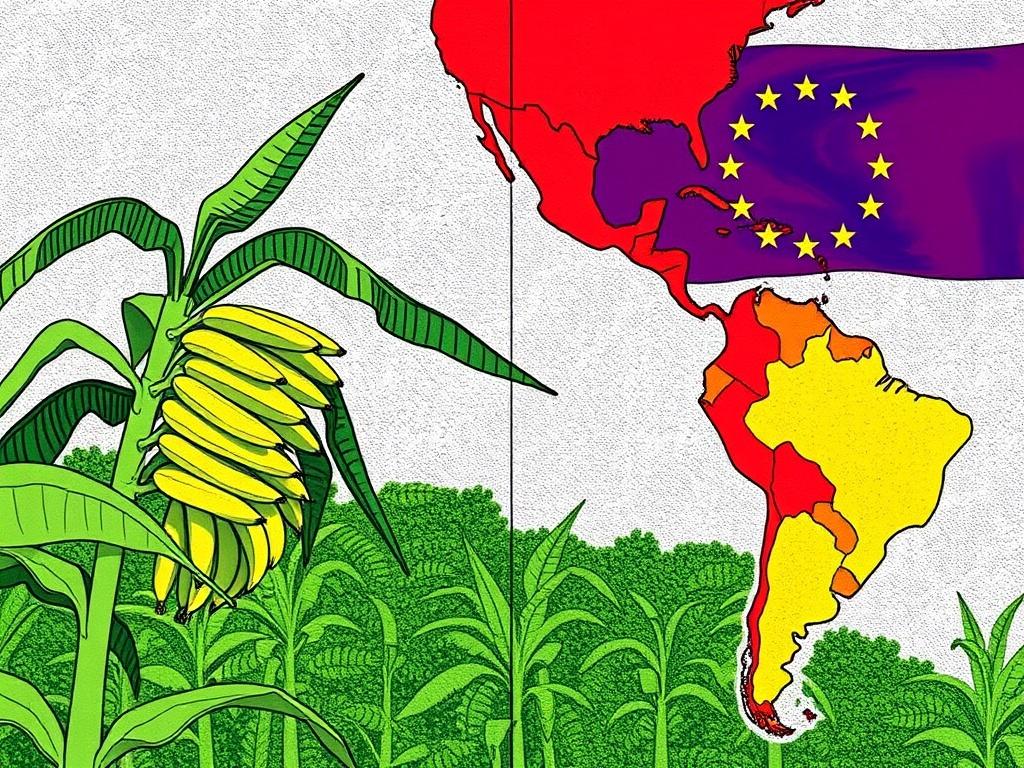
Bananas might seem harmless — a breakfast staple, a smoothie staple, a child’s first fruit. But beneath that soft peel lies a stubborn knot of trade policy, post‑colonial ties, corporate power, and legal sparring that stretched across oceans and into the halls of the World Trade Organization. This article untangles that knot, explaining how an EU import regime designed to favor former colonies collided with Latin American exporters and U.S. corporate interests, and what that clash meant for farmers, workers, and the way international trade gets negotiated.
- Roots of the dispute: history, empire, and preference systems
- How the EU’s banana regime worked
- Players on the field: countries, corporations, and blocs
- How the dispute escalated: diplomacy, litigation, and retaliation
- What the legal rulings said and why they mattered
- The human and economic impact on producers and workers
- Environmental and social dimensions: more than tariffs
- How supermarkets and supply chains changed the game
- Time line: key moments in the banana trade conflict
- How parties adjusted: reforms, compensation, and new rules
- Latin America’s strategic responses
- Multinationals, market power, and corporate strategy
- Smallholders vs. large producers: distributional consequences
- Disease, climate change, and why bananas remain vulnerable
- Certification, consumer pressure, and alternative value chains
- Diplomacy, identity, and the politics of “fairness”
- Lessons for trade policy and development strategy
- Where things stand now and what comes next
- Practical takeaways for policy-makers and industry
- Closing reflections: more than a fruit fight
Roots of the dispute: history, empire, and preference systems
To understand the conflict you have to look back half a century. After World War II, European countries developed aid and trade arrangements with their former colonies, aiming to stabilize markets and support development. These arrangements evolved into preferential import regimes that gave better access and favorable quotas to producers in Africa, the Caribbean, and the Pacific — often abbreviated as ACP countries.
These preferences were more than charity. They were political instruments tied to aid, migration, and diplomatic relationships. For countries in the Caribbean, bananas were one of the few viable export crops, and preferential access to European markets helped preserve livelihoods and rural communities that might otherwise have disappeared under global market pressure.
Meanwhile, Latin American producers — particularly large exporters in Central and South America — had grown an export model oriented toward North America and Europe. Their production tended to be on larger plantations connected to multinational companies. When Europe’s policy environment shifted to enshrine specific import rules, a clash became almost inevitable. Preferences that made economic sense for some groups became obstacles and distortions for others.
How the EU’s banana regime worked
In the early 1990s, the European Community set up an import regime for bananas that combined tariff protections with an allocation of import quotas and preferential treatment for ACP suppliers. In practical terms, certain countries and groups received guaranteed access to European markets under favorable conditions, while other suppliers faced higher tariffs or more restricted quotas.
The idea from the EU perspective was straightforward: protect vulnerable economies with a predictable market and cushion the social consequences of sudden competition. The policy also fit a broader European approach that linked commercial relations to development objectives, often through the Lomé Convention and later frameworks.
But protecting some importers meant disadvantaging others. Latin American exporters — many operating through U.S.-based fruit multinationals — found their access limited or made more costly by the new regime. The result was not just lost market share; it was a perception of unfair treatment that would feed diplomatic and legal reactions.
Players on the field: countries, corporations, and blocs
Several types of actors shaped the conflict. On one side were the ACP countries and Caribbean producers who relied on European markets. They were often smallholders or small-scale exporters whose bargaining power was limited but whose livelihoods depended on preferential access.
On the other side stood large Latin American exporting countries such as Ecuador, Colombia, Costa Rica, and others, along with powerful multinational corporations — the names most people recognize: Chiquita, Dole, Del Monte. These brands controlled market channels, shipping, and marketing and could mobilize diplomatic and legal resources when they felt blocked.
The United States entered as a defender of its commercial interests and multinational firms, using diplomatic pressure and, eventually, formal dispute mechanisms at the multilateral level. The World Trade Organization — the forum created to manage international trade disputes — became the legal battleground.
How the dispute escalated: diplomacy, litigation, and retaliation
The disagreement moved from political protest to formal dispute when Latin American producers and the United States challenged the EU’s regime through international channels. Accusations centered on discrimination and inconsistency with emerging global trade rules that disfavored discriminatory import regimes.
WTO panels and appellate bodies heard claims that the EU measures violated commitments to non‑discrimination and fair trade. These were complex legal issues: the EU argued that its support for ACP countries represented special arrangements tied to development commitments, while challengers said economic protection should not favor one set of suppliers over another in ways that unfairly distorted market competition.
When trade panels found fault with EU measures, the consequences were not merely legal. Trade disputes often spill into retaliation, and threatened or actual tariffs generate political pressure that pushes negotiating parties back to the table. The result was a protracted mix of rulings, temporary remedies, and gradual policy shifts rather than a single decisive moment.
What the legal rulings said and why they mattered
WTO rulings in cases like these typically focus on whether a policy is compatible with the principles of Most Favored Nation treatment and whether exceptions for development are justified. Panels scrutinized whether the EU’s quota and tariff arrangements were applied in a way that discriminated against Latin American suppliers.
Finding discrimination meant the EU had to reform parts of its regime or face authorized retaliation in the form of countervailing measures from disgruntled trading partners. That threat — real economic pain in targeted industries — is often the most compelling lever in international trade disputes.
Beyond the immediate economic stakes, the rulings set precedents about how development preferences fit within a liberalized trade order. They raised questions about whether special arrangements can coexist with the nondiscrimination rules of global trade institutions and how to reconcile development policy with commercial commitments.
The human and economic impact on producers and workers
Trade policy can sound abstract. In practice, the banana dispute translated into jobs gained or lost, coastal economies saved or damaged, and bargaining power shifted from smallholders to large exporters. For Caribbean islands dependent on bananas, the loss of preferential margins threatened rural employment and fiscal stability.
On larger plantations in Latin America, producers faced the pressure of adjusting to market access rules while meeting retailer standards in distant supermarkets. Workers on these plantations contended with seasonal volatility, health hazards tied to pesticides, and the broader insecurity that comes when market rules change suddenly.
Smaller farmers often found themselves squeezed between falling prices on world markets and the high costs of certification or compliance with new standards. The uneven distribution of costs and benefits meant that even when an industry’s total exports rose, gains were not shared equitably among those who did the hard work on the ground.
Environmental and social dimensions: more than tariffs
Banana production has long had environmental consequences — deforestation for plantations, heavy pesticide use, and soil degradation among them. These impacts complicate policy choices because import regimes interact with incentives around production methods and scale.
Socially, the industry’s labor practices have been under scrutiny. Concerns about worker health, the use of agrochemicals, child labor in some regions, and low wages have prompted NGOs and consumer campaigns that pushed retailers to demand better standards from suppliers. These non‑trade pressures affected the competitive landscape as much as tariffs or quotas did.
Certification schemes like Fairtrade or Rainforest Alliance emerged as market responses, offering consumers a way to support higher standards. But certifications bring costs, and the benefits do not always flow smoothly to the farm level. The net effect is a complex mix of market signals, regulatory constraints, and buyer-driven standards shaping how bananas are grown and traded.
How supermarkets and supply chains changed the game
One often-overlooked actor in the banana story is the retailer. As supermarkets gained dominant market share in Europe and North America, they concentrated buying power and pushed risk and cost back down the supply chain. Supermarkets compressed margins, demanded consistent quality, and preferred suppliers who could guarantee volumes and certifications.
This consolidation altered the bargaining landscape. Large multinational exporters who could absorb costs and maintain uniform supply became more attractive partners than networks of smallholder producers. That shift interacted with trade rules to accelerate structural transformation: smaller growers were pressured to consolidate or exit, while big suppliers expanded their logistical and marketing reach.
Retail‑driven standards also shifted the meaning of “market access.” It was no longer enough to have tariff-free entry; producers had to meet private standards that could be expensive to achieve. That reality complicated policy remedies designed purely around tariffs and quotas.
Time line: key moments in the banana trade conflict
Below is a concise timeline that highlights turning points in the dispute and the gradual policy responses that followed.
| Period | Event | Significance |
|---|---|---|
| Post‑WWII to 1980s | Development preferences for former colonies (Lomé and other agreements) | Established long‑standing ACP preferential access to European markets. |
| Early 1990s | EU adopts a banana import regime combining quotas and tariffs | Institutionalized preferences that disadvantaged some Latin American exporters. |
| Mid‑late 1990s | Legal challenges at GATT/WTO by the United States and Latin American countries | Raised formal trade disputes and scrutiny of the EU’s discriminatory effects. |
| Late 1990s to early 2000s | WTO rulings and negotiations; threats of retaliatory tariffs | Pressured the EU to reform its regime and negotiate settlements. |
| 2000s | Gradual reforms toward tariff-only approaches and harmonized import duties | Shifted the policy framework from quotas toward more market-based rules. |
| 2000s–present | Ongoing adaptation: private standards, disease threats, and climate impacts | Expanded the scope of competitiveness beyond trade policy to include resilience and sustainability. |
How parties adjusted: reforms, compensation, and new rules
The outcome was not a single victory for any party but a negotiated set of adjustments. The EU, under pressure from legal rulings and the threat of sanctions, modified its import regime. These changes aimed to reduce discriminatory elements while managing the political fallout for ACP countries.
At the same time, some exporting countries sought compensation or transitional arrangements to ease the adjustment costs. Those discussions were as much about politics and development assistance as about pure trade law. The interplay between legal ruling and political accommodation is typical in disputes where livelihoods are at stake.
Reforms also acknowledged a practical reality: completely undoing long-standing trade relationships overnight would have created severe social dislocation. Phased changes, targeted support to vulnerable producers, and trade‑related technical assistance became part of the toolkit to smooth the transition.
Latin America’s strategic responses
Latin American governments pursued a range of tactics. Some took their cases to the WTO and other legal forums, leveraging the fact that many of the complaining parties backed by powerful markets could mobilize diplomatic capital fairly effectively. Others focused on increasing efficiency, diversifying markets, or upgrading product quality to compete on factors beyond simple price.
In economic terms, many exporters invested in better logistics, disease control, and certifications to access supermarket chains in Europe. In political terms, they sought alliances with consumer markets and with the United States to bring pressure on the EU. The strategy combined law, diplomacy, and market-driven upgrades.
At a grassroots level, producers and unions engaged with NGOs and social movements to highlight labor and environmental standards, seeking to shape the narrative about what “fair” trade meant. That multidimensional response illustrates how trade disputes are rarely resolved in pure legal terms alone.
Multinationals, market power, and corporate strategy
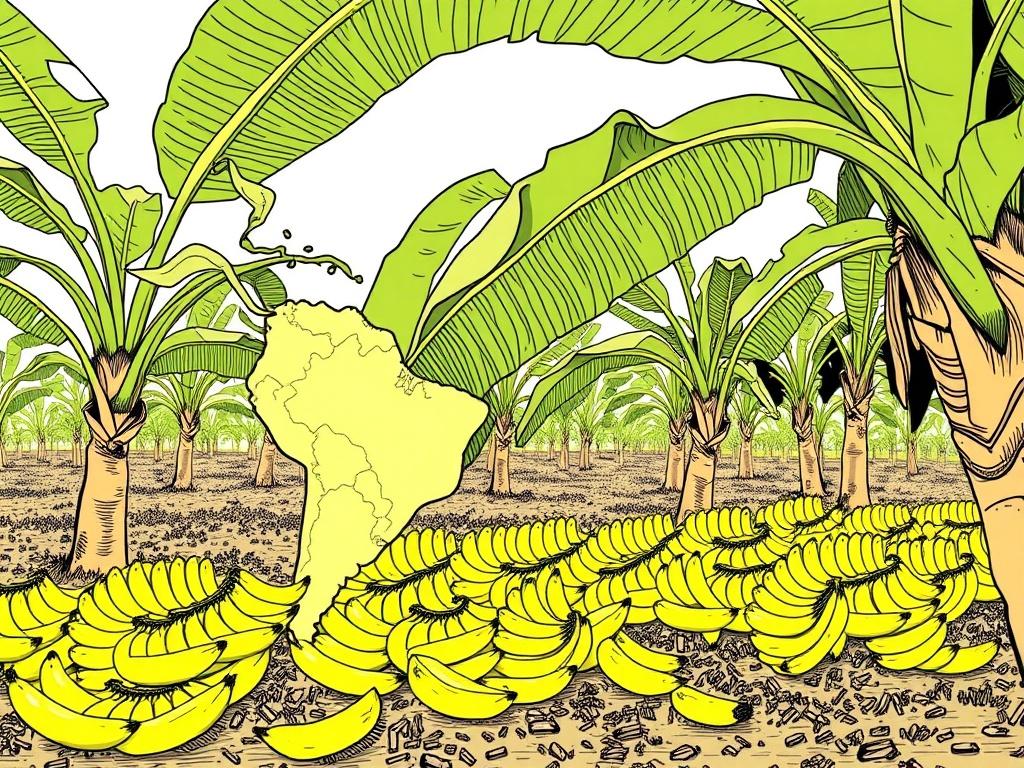
Fruit multinationals were central actors throughout. Their vertically integrated operations — owning plantations, shipping lines, ripening facilities, and marketing networks — allowed them to bypass some market frictions and exert leverage in negotiations. When trade rules shifted, these corporations could reconfigure supply chains across countries to minimize cost and maintain shelf presence.
But corporate power has limits. Supermarkets drove down prices, and consumers increasingly demanded environmental and social standards. Companies had to juggle the need for cheap, reliable fruit with the reputational risks of poor labor or environmental practices. That balancing act pushed firms toward mechanisms like private standards and supplier codes of conduct.
The corporate dimension turned the dispute into not only a question of market access but also of who controlled the terms of trade and information flows. Control over shipping, ripening, and retail access often determined which producers could benefit from any given policy environment.
Smallholders vs. large producers: distributional consequences
One of the clearest fault lines was between smaller, often family-run farms and larger plantation operators. Preference systems historically favored many smallholder structures in the Caribbean, while Latin American production tended to be more plantation‑centric and export-oriented.
When preferences eroded or market access became more competitive, smallholders typically lacked the capital or scale to adjust quickly. They faced higher unit costs, limited access to finance, and difficulties meeting private standards. Larger producers could exploit economies of scale, invest in disease control, and consolidate market relationships.
Policy responses that ignored distributional consequences risked worsening rural inequality. That reality spurred targeted development interventions in some cases, including technical assistance and support for cooperative structures that could aggregate smallholders’ production for export markets.
Disease, climate change, and why bananas remain vulnerable
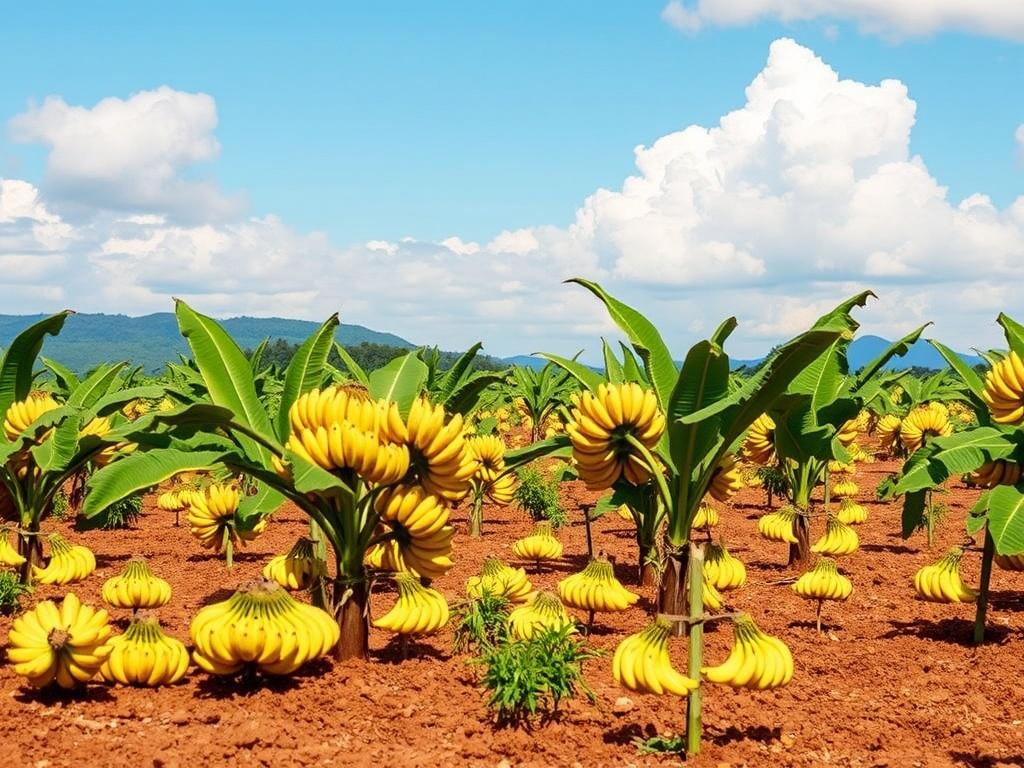
Banana cultivation is biologically fragile. The commercial market depends heavily on a few cultivars — most famously the Cavendish — which are genetically uniform and therefore susceptible to pests and diseases. Plant diseases such as Black Sigatoka and various forms of Fusarium wilt have periodically surged, threatening yields and forcing changes in management practices.
Climate change compounds these risks by shifting rainfall patterns, increasing the intensity of storms, and altering pest dynamics. Producers from Honduras to Ecuador face rising production costs as they invest in disease control, irrigation, and soil management. Those costs interact with trade policies: if market access is constrained or margins are squeezed, farms have less ability to invest in resilience.
The long-term competitiveness of the banana sector therefore hinges not only on trade rules but on adaptive capacity. Policies that encourage research, crop diversification, and resilient farming systems are as relevant as tariff lines when it comes to sustaining communities that depend on the crop.
Certification, consumer pressure, and alternative value chains
In response to social and environmental concerns, buyers and consumers developed standards that reward better practices. Certification schemes sought to distinguish producers who met labor, environmental, or community criteria. For some growers, these schemes opened pricier market niches and offered a route to maintain margins even as world prices fluctuated.
Yet certification is not a magic wand. Costs for audits, compliance, and paperwork can be high; certifications can fragment markets; and premium prices do not always trickle down to farm laborers. Nevertheless, these alternative value chains provided a way for some producers to escape purely price‑driven competition and align with consumer values in Europe.
For policy-makers and development agencies, supporting smallholders to access certified markets became a practical intervention: build capacities for traceability, help with initial certification costs, and foster cooperative marketing structures that reduce per‑unit compliance burdens.
Diplomacy, identity, and the politics of “fairness”
The banana dispute was never just about economics. It touched on identity, historical obligations, and competing visions of fairness. For Caribbean nations, special access to European markets had moral and political underpinnings tied to colonial history and development commitments.
For Latin American exporters and their allies, the argument emphasized rules and nondiscrimination: if trade is liberalized, arrangements should be transparent and equitable for all suppliers. The clash therefore became a debate about how global trade rules should accommodate historical inequalities without freezing in place inefficient or exclusionary practices.
These competing claims meant that resolution required more than legal rulings; it required political dialogue and creative compensation mechanisms that acknowledged history while moving toward a more uniform trading framework.
Lessons for trade policy and development strategy
The banana case offers broader lessons about trade policy design. First, preferences have costs: while they can protect vulnerable producers, they can also spawn legal disputes and create inefficiencies. Second, private standards and supply chain consolidation can be as determinative of access as tariffs.
Third, adjusting trade rules without complementary development support risks social disruption. Phased reforms, coupled with capacity building, technical assistance, and social safety nets, produce more sustainable outcomes than abrupt market openings. Finally, biological and climate risks mean that trade policy must be integrated with agricultural research and resilience planning.
Trade disputes therefore should be viewed holistically, recognizing that legal remedies are important but insufficient without parallel investments in people and systems on the ground.
Where things stand now and what comes next
Today, the immediate flames of the dispute have long since cooled, but its consequences persist. The EU has moved toward more market‑oriented import arrangements and has engaged in development programs to support vulnerable producers. Latin American exporters remain major suppliers to Europe and other markets, and global supply chains have continued to evolve.
Persistent challenges remain: the structural vulnerability of the crop, pressure on smallholders, and the continual tightening of retailer standards. At the same time, opportunities for better governance, diversified production, and stronger producer organizations have emerged in various locales.
Future friction could arise from climate shocks, new phytosanitary crises, or renewed protectionist pressures. But the experience also shows that multilateral institutions and negotiated remedies can provide a framework for resolving such disputes — provided diplomacy is combined with practical, on‑the‑ground support.
Practical takeaways for policy-makers and industry
- Combine trade reform with targeted development assistance so that producers can adapt to new market conditions without unacceptable social costs.
- Encourage cooperative models and aggregation to help smallholders meet private standards and gain bargaining power in concentrated supply chains.
- Invest in research and extension services to manage disease risks and climate effects; resilience reduces the need for ad hoc protective trade measures.
- Use diplomatic channels and negotiated settlements to resolve disputes, recognizing that legal rulings alone rarely restore fragile livelihoods.
Closing reflections: more than a fruit fight
The banana wars were about more than grocery aisles and supermarket price tags. They were a collision of historical obligations, industrial power, and the limits of legal frameworks when confronted with messy social realities. The dispute forced a rethinking of how development goals intersect with trade liberalization and highlighted the need for policies that are both fair in principle and feasible in practice.
For anyone who cares about trade that supports both efficiency and equity, the story of bananas offers a bracing lesson: durable solutions require legal clarity, political will, and concrete support for those who cultivate the land. Only then can the simple act of buying a piece of fruit reflect a more humane and resilient global economy.