Trade policy can feel abstract until it hits your wallet at the grocery store or raises the price of a bike you wanted to buy. At the heart of that intersection between daily life and national policy sits one of the simplest — and most consequential — tools: the tariff. What is a tariff? A simple explanation for beginners will walk you through the basics, show how tariffs are calculated, and explain why they matter to consumers, businesses, and governments.
- What a tariff is and how it works
- The common types of tariffs
- Ad valorem tariffs
- Specific tariffs
- Compound tariffs
- Preferential and most-favored-nation (MFN) tariffs
- Temporary, retaliatory, and safeguard tariffs
- Why governments impose tariffs
- How tariffs are calculated and collected
- Tariff schedules and product classification
- Tariffs vs quotas and other trade barriers
- Who ultimately pays a tariff?
- Economic effects: winners, losers, and efficiency costs
- Tariffs and the terms of trade
- Trade wars: when tariffs escalate
- Historical examples that shaped policy
- Real-life impacts: a personal perspective
- Tariffs and supply chains: short-term shock, long-term adjustment
- How tariffs interact with trade agreements
- Anti-dumping and countervailing duties: specialized tariffs
- Environmental and social considerations: green tariffs and ethical sourcing
- How to look up a tariff rate
- Practical steps for small businesses importing goods
- Tariff engineering and legal workarounds
- Tariff incidence in practice: who adjusts prices?
- Political economy: whose voices shape tariff policy?
- Measuring the effects: what analysts look at
- Tariffs and developing countries
- Common misunderstandings about tariffs
- How the WTO governs tariffs
- Shifts in tariff policy and the future
- Practical takeaways for consumers, businesses, and students
What a tariff is and how it works
A tariff is a tax that a government places on goods imported from another country. It raises the cost of foreign products when they enter the domestic market, typically collected by customs authorities at the point of entry.
Tariffs can be applied for different reasons. Some are meant primarily to raise revenue for the government, while others are designed to protect local industries from foreign competition by making imported goods more expensive.
When you see a label that says “Made in X,” the price you pay may include import duties, depending on where you buy the item, the country it came from, and the tariff that applies to its product category. Even services can be indirectly affected when tariffs change the cost structure of goods used to provide those services.
The common types of tariffs
Tariffs come in several distinct forms, each with a specific method of calculation and policy purpose. Knowing these types helps you understand how a government targets imports and what economic effects to expect.
Ad valorem tariffs
An ad valorem tariff is a percentage of the value of the imported good. If a country imposes a 10% ad valorem tariff on imported shoes and the shoes are valued at $100, the tariff owed is $10.
Ad valorem tariffs track changes in price, so they automatically adjust with inflation or shifts in world prices. That makes them administratively convenient for goods whose values fluctuate widely.
Specific tariffs
A specific tariff is a fixed fee based on a unit of quantity — for example, $2 per kilogram or $50 per item. This method does not change if the product’s market value rises or falls.
Specific tariffs are simple to calculate and stable, but they can be regressive in terms of price: if world prices fall, a fixed per-unit duty becomes a larger share of the product’s value.
Compound tariffs
Compound tariffs combine ad valorem and specific elements. A product might be charged both a 5% ad valorem duty and $1 per unit. Countries use this approach when they want both revenue and a stable minimum level of protection.
Compound tariffs add complexity to customs processing but give policymakers more flexibility to fine-tune protection for certain sectors.
Preferential and most-favored-nation (MFN) tariffs
Many trade agreements create preferential tariff rates for partner countries. Preferential tariffs are lower or zero for members of a trade agreement, while MFN tariffs are the baseline rates applied to most other trading partners under World Trade Organization (WTO) rules.
MFN treatment means WTO members generally cannot discriminate between trading partners — once a tariff rate is offered to one member, it usually must be extended to all unless an exception applies, such as a free trade agreement.
Temporary, retaliatory, and safeguard tariffs
Governments sometimes impose temporary tariffs to address sudden domestic industry injury or security concerns. Safeguard measures protect industries facing an unexpected surge of imports.
Retaliatory tariffs are reactions to other countries’ trade barriers or unfair practices. They are often political tools in trade disputes and can escalate into broader trade wars if not managed through negotiation or arbitration.
Why governments impose tariffs
Tariffs serve multiple public-policy goals, and different objectives lead to different tariff structures. The two most common goals are revenue generation and protection of domestic industries.
Historically, tariffs were a main source of government revenue before modern income and consumption taxes existed. For smaller or developing economies, import duties can still represent a significant portion of public income.
Protectionism is the other primary motive: tariffs raise the domestic price of foreign goods and give local producers more room to compete. Politicians often justify such measures as protecting jobs or preserving strategic industries.
Tariffs can also be used for health, safety, and environmental policy: to discourage imports of harmful goods, enforce labeling standards, or incentivize greener production by penalizing carbon-intensive imports indirectly.
Finally, tariffs are a diplomatic instrument. They can be used to signal displeasure or to gain leverage in broader negotiations over trade, investment, or security issues.
How tariffs are calculated and collected
At the border, customs officials determine the tariff owed by inspecting goods, verifying documents, and applying the correct tariff rate. Importers typically declare the shipment’s value and classification under the Harmonized System (HS) codes.
Customs then applies the relevant tariff rate to the declared value or the specified quantity, depending on whether the duty is ad valorem, specific, or compound. Payment is usually required before goods are released from customs custody.
Most countries allow importers to pay duties electronically and to use customs brokers to manage paperwork and compliance. Brokers are practical for small businesses that lack in-house customs expertise.
| Tariff type | How it’s calculated | Quick example |
|---|---|---|
| Ad valorem | Percentage of declared value | 10% of $1,000 = $100 |
| Specific | Fixed amount per unit | $2/kg × 100 kg = $200 |
| Compound | Combination of ad valorem and specific | 5% of $500 + $1/unit × 10 units = $25 + $10 = $35 |
Tariff calculations can be more complex when duties are applied on a CIF basis (cost, insurance, freight) or when customs adjust declared values to prevent undervaluation. Import valuation rules aim to ensure a consistent tax base.
Tariff schedules and product classification
Every country publishes a tariff schedule listing the rates that apply to each product category and country of origin. These schedules use HS codes — standardized numeric codes developed by the World Customs Organization.
The HS code system starts with broad chapters and drills down to very specific subheadings. Correct classification is critical because a small change in code can mean a big difference in duties owed.
Customs agencies provide rulings to clarify classifications, and businesses can request advance rulings in many jurisdictions to lock in a tariff treatment before an import. Misclassification is a common source of disputes and penalties.
For importers, keeping detailed invoices, bills of lading, and supplier declarations helps if customs audits the shipment’s origin or value. Rules of origin determine whether goods qualify for preferential tariffs under trade agreements.
Tariffs vs quotas and other trade barriers
Tariffs are only one tool in the trade-policy toolbox. Quotas limit the physical quantity of imports and can be more restrictive than tariffs because they cap access rather than just raise price.
Non-tariff barriers (NTBs) include technical standards, licensing requirements, sanitary controls, and administrative delays. These measures can be indirect ways to restrict trade and sometimes are harder to challenge in international forums.
Subsidies are the flip side of tariffs: governments may support domestic producers through direct payments, tax breaks, or cheaper inputs, giving them an advantage against imports without imposing a border tax.
Trade remedies like anti-dumping duties or countervailing duties (CVDs) address specific unfair practices. Anti-dumping duties counteract products sold below fair market value, while CVDs offset foreign government subsidies that distort competition.
Who ultimately pays a tariff?
The party on the customs entry — usually the importer — is legally responsible for paying the tariff. In practice, the economic burden can shift between foreign exporters and domestic consumers depending on market dynamics.
Economists call this “incidence” of the tariff. If domestic demand is relatively inelastic and supply is elastic, consumers will shoulder most of the cost through higher retail prices. If foreign exporters absorb part of the duty by lowering their prices, the ultimate consumer impact is smaller.
Businesses also face indirect costs: paperwork, compliance, delays, and potential supply-chain redesigns. Those administrative burdens often raise the effective cost of imported goods beyond the face value of the tariff itself.
Economic effects: winners, losers, and efficiency costs
Tariffs redistribute income between groups. Domestic producers protected by tariffs can gain market share and higher prices, while importers and consumers typically lose by paying more or facing limited choices.
From a national perspective, small tariffs might raise revenue, but they also create deadweight losses — wasted economic activity from higher prices and reduced consumption. Economists generally argue that tariffs reduce overall efficiency compared to free trade.
However, the distributional effects matter politically. Workers in industries shielded by tariffs may retain jobs, even as consumers pay higher prices. Policymakers often face competing pressures between broad economic efficiency and localized social impacts.
Large, pervasive tariffs can provoke retaliation and escalate into trade wars, reducing export opportunities for domestic producers who rely on foreign markets. That dynamic can turn short-term political wins into long-term economic pain.
Tariffs and the terms of trade
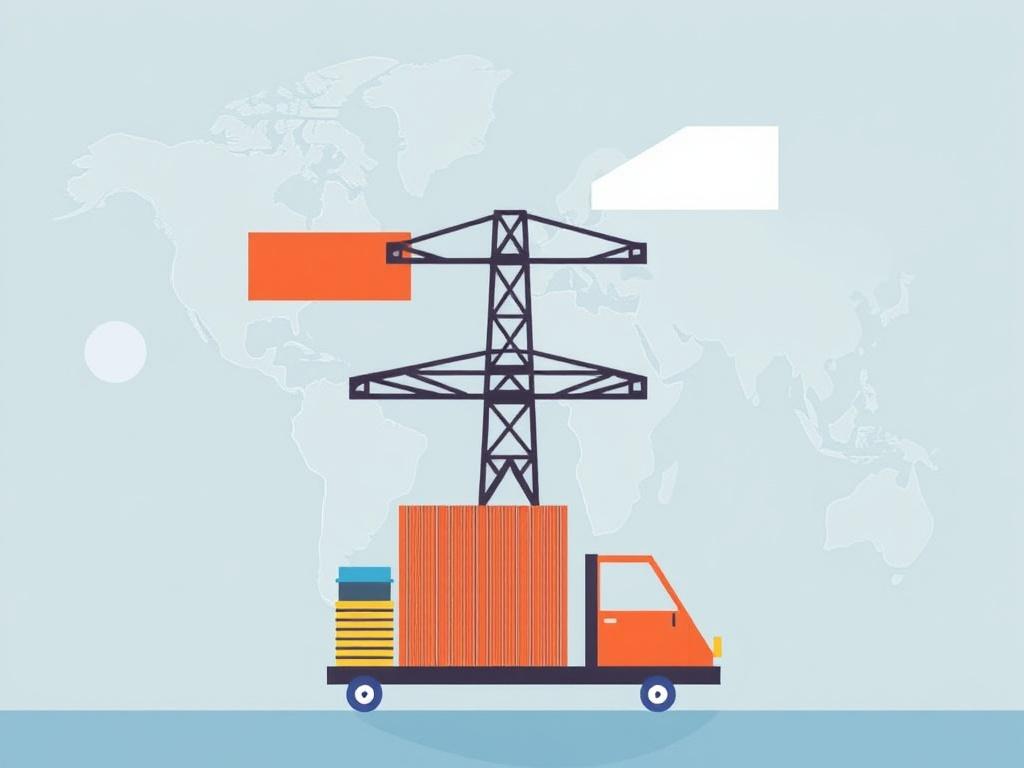
Some countries with market power can use tariffs to improve their terms of trade — essentially the relative price of exports versus imports. By lowering demand for imports, a large country might depress world prices and extract a gain.
But this strategy has limits. Other countries may retaliate, global prices may adjust, and the domestic inefficiencies from protecting industries can outweigh any terms-of-trade gains. For most countries, the net effect of tariffs is a loss in welfare relative to free trade.
Trade wars: when tariffs escalate
Trade disputes can quickly become tit-for-tat tariff increases. A classic example is the series of tariffs and counter-tariffs between major economies that reduce trade flows and raise costs for firms that rely on cross-border supply chains.
When tariffs target intermediate goods — parts and components — they raise production costs for downstream manufacturers, who may respond by shifting supply chains or raising prices. The effect cascades through the economy.
Politically, trade wars can be popular domestically if they are framed as defending national industries, but they carry real risks for employment in sectors that depend on exports or imported inputs.
Historical examples that shaped policy
The Smoot-Hawley Tariff Act of 1930 is often cited as a cautionary tale: a wide array of U.S. tariffs aimed at protecting domestic farmers and manufacturers coincided with retaliatory measures by trading partners and a sharp contraction in global trade.
More recently, the United States imposed steel tariffs in 2002 and again in 2018. The 2002 measures were aimed at rescuing a struggling domestic steel sector; the 2018 tariffs under national-security claims sparked global debate and led to retaliatory duties on a range of U.S. exports.
The U.S.-China tariff escalation that began in 2018 illustrates modern trade conflict dynamics. Targeted tariffs hit thousands of product lines, disrupted supply chains, and prompted businesses to re-evaluate sourcing strategies and pricing.
Real-life impacts: a personal perspective
As a writer who follows markets and shopping trends, I’ve seen tariffs show up at the point of sale. In one case, a modest tariff on imported bicycles coincided with a sudden rise in local prices and a surge in demand for used bikes and domestic brands.
Small retailers I spoke with described the administrative headache of reclassifying thousands of SKUs when a new tariff list came into force. For them, the policy was not just an abstract number but a new compliance cost and a reason to renegotiate supply contracts.
Those experiences highlight how tariffs ripple beyond headline rates into logistics, customer behavior, and the small decisions that shape day-to-day commerce.
Tariffs and supply chains: short-term shock, long-term adjustment
When tariffs rise, firms do three things: absorb the cost, pass it on to customers, or change where they source inputs. The choice depends on market power, contract flexibility, and how easy it is to find alternatives.
Large multinational corporations often reconfigure supply chains to avoid high duties, shifting production and sourcing to tariff-favored countries or setting up assembly operations in the importing country to qualify as domestic production.
These adjustments take time and investment. In the short term, tariffs can cause bottlenecks, inventory buildups, and price spikes. Over the long term, they can reshape the geography of production and trade.
How tariffs interact with trade agreements
Free trade agreements (FTAs) lower or eliminate tariffs among signatory countries, but they require strict rules of origin. To qualify for preferential treatment, a product must meet the agreement’s criteria for where value is added.
FTAs create trade diversion as well as trade creation: partners buy more from each other due to lower tariffs, but sometimes at the expense of more efficient nonpartner producers. Policymakers balance these effects based on strategic and political priorities.
WTO membership constrains how countries can use tariffs. Members make binding commitments on maximum tariff levels for many products, though applied rates can be lower than those bound ceilings.
Anti-dumping and countervailing duties: specialized tariffs
Anti-dumping duties are imposed when a foreign firm sells a product below its normal value — often defined as the price in the exporter’s home market — and that dumping injures a domestic industry. Investigations determine whether dumping and injury occurred.
Countervailing duties offset subsidies provided by foreign governments that give exporters an unfair advantage. Like anti-dumping measures, CVDs are targeted responses that require evidence and follow legal processes under WTO rules.
These trade remedies are more narrowly tailored than blanket tariffs, but they can be used extensively by countries to protect critical sectors and to counter perceived unfair trade practices.
Environmental and social considerations: green tariffs and ethical sourcing
Policymakers are exploring “green tariffs” or carbon-adjustment mechanisms that effectively tax imports based on their carbon footprint. The idea is to prevent so-called carbon leakage and encourage cleaner production globally.
Such measures must be carefully designed to meet WTO rules and avoid protectionist misuse. When crafted transparently, they can align trade policy with environmental goals and spur decarbonization in supply chains.
Similarly, tariffs or trade restrictions can be tied to social concerns like labor standards or forced labor allegations. These policies add a moral dimension to tariff debates and raise practical enforcement challenges.
How to look up a tariff rate
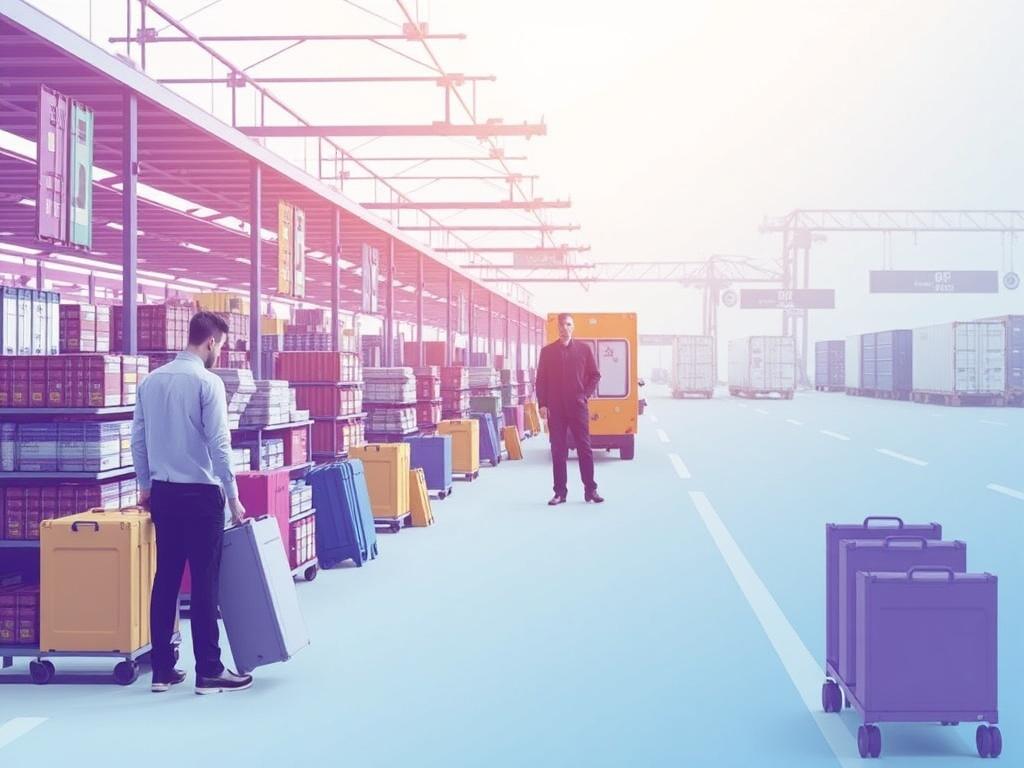
Finding the applicable tariff starts with the Harmonized System code. Many customs agencies publish searchable tariff databases where you can enter an HS code or product description to see duties and any applicable trade remedies.
In the United States, the Harmonized Tariff Schedule (HTS) provides detailed tariff lines and rates. The European Union uses TARIC. Other jurisdictions have similar online tools, and customs brokers can assist if this sounds daunting.
Remember to check whether any preferential trade agreements, tariffs suspensions, or temporary measures apply to your product and country of origin before assuming a rate.
Practical steps for small businesses importing goods
Start by identifying the HS code for your product and the tariff schedule in the destination country. This gives you a baseline estimate of duties and any special rules that may apply.
Use a customs broker if you lack experience. Brokers handle classification, valuation, and paperwork and reduce the risk of costly errors or delays at the border.
Negotiate terms with suppliers that account for tariffs — for example, specify who bears duties under your Incoterms (FOB, CIF, DDP, etc.). Clarifying this in contracts avoids surprises when goods arrive.
Finally, monitor trade policy developments. Tariffs can change quickly during disputes or in response to political events, and that volatility can affect pricing and profitability.
Tariff engineering and legal workarounds
Firms sometimes engage in “tariff engineering” — legally redesigning products or changing production methods to fit into a lower-tariff classification. This can be legitimate but must withstand customs scrutiny.
Other strategies include relocating final assembly to a lower-tariff country or re-routing shipments through countries with preferential trade terms. These tactics can be effective but also raise compliance and reputational risks if used to circumvent rules improperly.
Regulators are aware of these maneuvers and may tighten rules of origin or origin verification to prevent abuse, so businesses should proceed with careful legal advice.
Tariff incidence in practice: who adjusts prices?
Price pass-through varies. In highly competitive retail markets with thin margins, importers might absorb part of the tariff to keep shelf prices stable, squeezing profits. In markets with strong brands or inelastic demand, higher prices are more easily passed to consumers.
Manufacturers using imported inputs may raise final-product prices, shift to domestic suppliers, or accept slimmer margins. The particular choice reflects market power, contract terms, and the availability of substitutes.
Ultimately, tariffs create winners and losers across sectors. Understanding who can adjust — and who cannot — explains the varied responses you observe in different industries.
Political economy: whose voices shape tariff policy?
Tariff decisions are influenced by interest groups, lobbying, and electoral politics. Industries with concentrated benefits (like a local steel mill) but diffuse costs (millions of consumers paying slightly higher prices) often win protection in democratic systems.
Policymakers balance narrow industry concerns against broader economic arguments and diplomatic relationships. Trade ministries, domestic industry groups, and foreign partners all play roles in shaping tariff outcomes.
International negotiations — at the WTO or through bilateral talks — also constrain domestic choices. Countries that rely on exports may resist high tariffs that provoke retaliation and harm their own trade interests.
Measuring the effects: what analysts look at
Economists and policymakers measure tariff impacts using trade flow data, price series, employment statistics, and econometric models that estimate changes in welfare and distribution. These studies try to separate tariff effects from other factors like currency moves or demand shifts.
Short-term effects show immediate price increases and changes in import patterns. Long-term studies track structural changes, such as reshoring of production or persistent shifts in industrial competitiveness.
Case studies of specific tariff episodes (like the 2018 U.S. tariffs) help illustrate both intended and unintended consequences, and scholars use these episodes to refine policy recommendations.
Tariffs and developing countries
For many developing nations, tariffs remain an important revenue source and a tool to nurture infant industries. Policymakers here face a trade-off between using tariffs for fiscal and developmental goals and integrating into global value chains that favor lower barriers.
Overreliance on tariffs can stunt competitiveness by sheltering inefficient firms. At the same time, sudden, deep liberalization without support measures can harm vulnerable sectors and social stability.
International aid and trade programs often include technical assistance for tariff reform, helping countries modernize customs administration while adopting complementary policies like social safety nets and enterprise upgrading.
Common misunderstandings about tariffs
One misconception is that tariffs are always paid by foreigners. While importers technically pay tariffs at the border, the economic burden typically shifts within the importing country through higher prices or lower wages in exposed sectors.
Another mistake is assuming tariffs automatically protect jobs. Protection can preserve employment in the short term but also raises input costs for downstream industries and may trigger retaliatory measures that harm exporters.
Finally, some assume tariffs are simple to administer. In practice, correct classification, valuation, and enforcement require substantial customs capacity and regulatory clarity to avoid evasion and disputes.
How the WTO governs tariffs
The World Trade Organization provides the legal framework that disciplines the use of tariffs among member countries. Members commit to maximum bound tariff rates for many products and to the principle of most-favored-nation treatment.
WTO rules allow exceptions for safeguards, national security, and preferential agreements, but members usually must notify measures and may face disputes if other members challenge them. The dispute-settlement mechanism helps resolve conflicts over tariff use.
Adherence to WTO rules provides predictability and reduces the risk of chaotic tariff escalations. However, enforcement depends on political will and the capacity of affected countries to litigate disputes.
Shifts in tariff policy and the future
Global tariff averages have declined over decades due to multilateral negotiations and regional trade agreements, but recent years show a mixed picture with selective increases tied to geopolitical tensions and strategic concerns.
Tomorrow’s trade debates will likely focus on digital goods, data flows, carbon content of traded products, and how tariffs intersect with national security and industrial policy in advanced technologies. These issues complicate traditional tariff thinking.
Policymakers will have to balance openness with strategic resilience, finding targeted tools that defend interests without triggering broad economic damage. Trade policy is becoming more nuanced, not necessarily less important.
Practical takeaways for consumers, businesses, and students
For consumers: be aware that tariffs can raise prices and limit product choices, especially for imported electronics, appliances, or specialty food items. Shopping locally or buying during sales can sometimes offset these effects.
For small businesses: classify products correctly, understand who pays duties under your shipping terms, and factor potential tariff volatility into your pricing and inventory decisions. Use customs brokers when in doubt.
For students or new learners: start with the basic distinction between ad valorem and specific tariffs, learn how HS codes work, and read case studies of notable tariff episodes to see how policy plays out in real economies.
The question of “What is a tariff? A simple explanation for beginners” opens a door to many connected topics: customs, international law, politics, and economic strategy. Tariffs are more than taxes at the border; they reflect policy choices that shape industries, consumer prices, and international relations.
Understanding how tariffs are set, whom they help or hurt, and where to find the official rates equips you to make better decisions as a consumer, entrepreneur, or informed citizen. Trade policy may seem technical, but its effects are all around us — in the cost of an imported jacket, the fate of a factory, and the choices governments make about their place in the global economy.