Finding the correct Harmonized System (HS) code for a product feels like learning a language with its own grammar and exceptions. Get it right and shipments clear customs smoothly; get it wrong and you face delays, fines, or unexpected duties. This guide walks you through the rules, the tools, practical steps, and real-world tips so you can classify goods with confidence.
- Why accurate tariff classification matters
- What the HS code is and how it’s structured
- How tariff classification decisions are made
- Step-by-step method to find your HS code
- Tools and resources to help you classify
- Common pitfalls and how to avoid them
- Country-specific variations and national subdivisions
- When and why to seek a binding ruling
- Valuation, duties, and non-tariff measures tied to HS codes
- Practical examples and diagnostic questions
- How to document classification decisions
- Audits, protests, and correcting mistakes
- Checklist: quick steps before you file an entry
- Tips for importers, exporters, and customs brokers
- When you can’t find a clear code
- Real-life cases that illustrate classification nuances
- How to use binding rulings and precedents wisely
- Integrating classification into supply chain systems
- Special categories that often cause confusion
- Engaging with customs proactively
- Final thoughts on practical classification
Why accurate tariff classification matters
Tariff classification determines the duties and taxes applied to an imported or exported product, but its consequences reach further. The HS code drives trade statistics, quota eligibility, preferential treatment under free trade agreements, and even regulatory checks like safety or sanitary inspections.
Misclassification isn’t merely a math error; it can trigger audits and penalties or cause goods to be detained at the border. In some cases, using an incorrect code can also expose your business to supply chain interruptions or reputational damage if authorities suspect intentional misdeclaration.
What the HS code is and how it’s structured
The Harmonized System is a globally standardized nomenclature developed by the World Customs Organization and used by almost every country. It organizes goods into chapters (two-digit), headings (four-digit), subheadings (six-digit), and then national sub-divisions which vary by country.
At the international level, the six-digit code is the common baseline. Countries append additional digits to create more granular national tariff codes used for duty rates and national regulations. Understanding where international rules end and national additions start is key to accurate classification.
The HS relies on General Rules for the Interpretation (GRIs) and Explanatory Notes, which together shape how headings and subheadings should be applied. The GRIs are the legal backbone; the Explanatory Notes provide authoritative but non-binding guidance.
| Level | Digits | Example |
|---|---|---|
| Chapter | 2 | 84 – Machinery and mechanical appliances |
| Heading | 4 | 8471 – Automatic data processing machines |
| Subheading | 6 (international) | 847130 – Portable digital computers |
| National | 8–10+ | 84713020 – Laptops (example for a national tariff) |
How tariff classification decisions are made
Classification follows a hierarchy. First apply the General Rules for the Interpretation to determine the correct heading. If ambiguity remains, consult the section and chapter notes and the Explanatory Notes to interpret the scope of headings and exclusions.
When goods could potentially fall under more than one heading, GRI 3 offers tie-breakers based on essential character, composite goods, or mixtures. GRI 6 covers packaging and presentation; often the way an item is presented to the market affects classification.
Customs administrations rely on documentation, product samples, technical specifications, and product use to support a classification. That’s why precise product descriptions, manufacturing details, and material composition are often decisive when two headings look plausible.
Step-by-step method to find your HS code
Start with a clear, technical description of the product. Note the material composition by percentage if relevant, how the product functions, its intended use, and whether it’s a finished product, component, part, or accessory. These facts anchor every subsequent decision.
Next, identify the appropriate chapter by scanning the HS chapter titles and section headings. Chapters group similar goods, so the right chapter narrows the search dramatically. Don’t skip the chapter and section notes — they exclude entire product categories and prevent misdirection.
Apply the General Rules for the Interpretation in sequence. GRI 1 states that classification is determined according to the terms of the headings and any relevant section or chapter notes. Work methodically: headings, then subheadings, then national provisions.
If an item could fit several headings, use GRI 2 and GRI 3: check for specific descriptions, composite goods rules, and whether a component imparts the essential character. For example, a jacket with detachable fur trim might be classified differently depending on which part gives the essential character.
Consult the Explanatory Notes for the headings you’re considering. These notes often include examples and clarifications that resolve borderline cases. They are not legally binding, but customs officials treat them as persuasive and they’re a practical interpretive tool.
Finally, confirm your candidate code with country-specific tariff schedules and duty rates. The six-digit HS code may be universal, but duty, quota, and regulatory treatments depend on national subheadings. Check for any additional qualifiers, such as anti-dumping measures or preferential origin conditions.
Tools and resources to help you classify
Public online tools can accelerate the search: tariff lookup databases maintained by national customs agencies, the WCO’s Harmonized System resources, and integrated trade platforms. Many customs websites allow text searches, browse-by-chapter features, and links to national notes.
Commercial classification software and paid databases add value by integrating product descriptions, previous rulings, and suggested codes based on machine learning. These tools can speed repetitive work but don’t replace human review, particularly for complex or high-value items.
Binding rulings databases are among the most useful resources. Many customs authorities publish advance rulings searchable by product description and code, which reveal how similar products were classified and why. Use these rulings as persuasive precedents, especially for contentious items.
Common pitfalls and how to avoid them
Relying on overly generic descriptions is a common trap. Descriptions like “electronic device” or “plastic part” leave too much to interpretation. Specifics — materials, power source, dimensions, and intended use — narrow the range of possible headings and reduce risk of misclassification.
Another mistake is assuming appearance equals function. Two items may look similar but be functionally different, leading to different classifications. For instance, a decorative resin statue and a resin mold for manufacturing could fall under different headings because one is ornamental and the other is a tool.
Skipping national notes can lead to unexpectedly high duties. A six-digit HS code might look correct internationally, but national subheadings could impose an extra duty or regulatory requirement. Always verify the complete national tariff structure before finalizing a code.
Country-specific variations and national subdivisions
After the international six-digit code, each country customizes with additional digits. These national subdivisions reflect local policy priorities — for example, to promote domestic industry, protect agriculture, or regulate hazardous goods. That means a product’s treatment can vary widely from one country to another.
Free trade agreements and preferential tariffs often require specific HS subheadings plus proof of origin. A small change in your classification can affect whether your goods qualify for preferential duty rates under a trade deal, so classification decisions should consider trade agreement criteria early in the process.
Even within a single market, regulatory agencies may reference different parts of the tariff schedule. A health regulator might control imports of “medical devices” using a tariff-based definition, while customs uses another subheading for duty. Cross-checking across agencies avoids surprises at the border.
When and why to seek a binding ruling
A binding tariff classification ruling (BTCR) gives legal certainty by confirming how customs will classify a product before importation. Businesses with high-value shipments, frequent imports of the same item, or complex products often seek such rulings to limit risk and secure predictable duty treatment.
Rulings require a detailed product description, technical specifications, and often a fee. The issuing customs authority will evaluate the submission and issue a formal decision that is binding on customs in that jurisdiction for a defined period or until material circumstances change.
Use rulings strategically: when introducing a new product line, entering a new market, or when alternative classifications could materially affect landed cost or regulatory compliance. Also keep a copy of the ruling readily accessible during audits or inspections to demonstrate due diligence.
Valuation, duties, and non-tariff measures tied to HS codes
HS codes influence the type and level of duties, but they also determine whether additional measures apply — for example, anti-dumping duties, import quotas, or licensing requirements. Those measures often attach to particular subheadings or national classifications.
Classification also affects valuation adjustments. Some duty calculations depend on the product’s classification and can interact with customs valuation rules; for instance, certain adjustments or exclusions are triggered only for specific types of goods. That can change the base for duty calculation.
Regulatory checks like safety testing, labeling, or sanitary inspections often reference HS codes. If a product falls under a subheading controlled by a regulatory agency, it may face pre-market approvals or ongoing compliance obligations, even if the duty rate appears low.
Practical examples and diagnostic questions
Imagine you import a small motor intended for use inside household appliances. Is it classified as a complete motor or as a part for appliances? The difference matters. If it’s a spare part designed specifically for a washing machine, the heading for parts may apply; if it’s a standalone motor marketed generically, a different chapter could be correct.
Consider textiles: a multi-fiber garment with polyester exterior and cotton lining begs the question of which fiber gives the essential character. Percentages, end use, and labeling conventions can tip the scale. In my experience working with a garment exporter, simply providing fiber analysis and photos resolved a months-long dispute with customs.
For electronics, ask whether the product includes a data-processing function, whether it boots an OS, and whether it’s primarily for consumer use or industrial control. I once saw a handheld meter misclassified as a “data processing machine” because a sales brochure used ambiguous language; a detailed function test clarified the correct heading.
How to document classification decisions
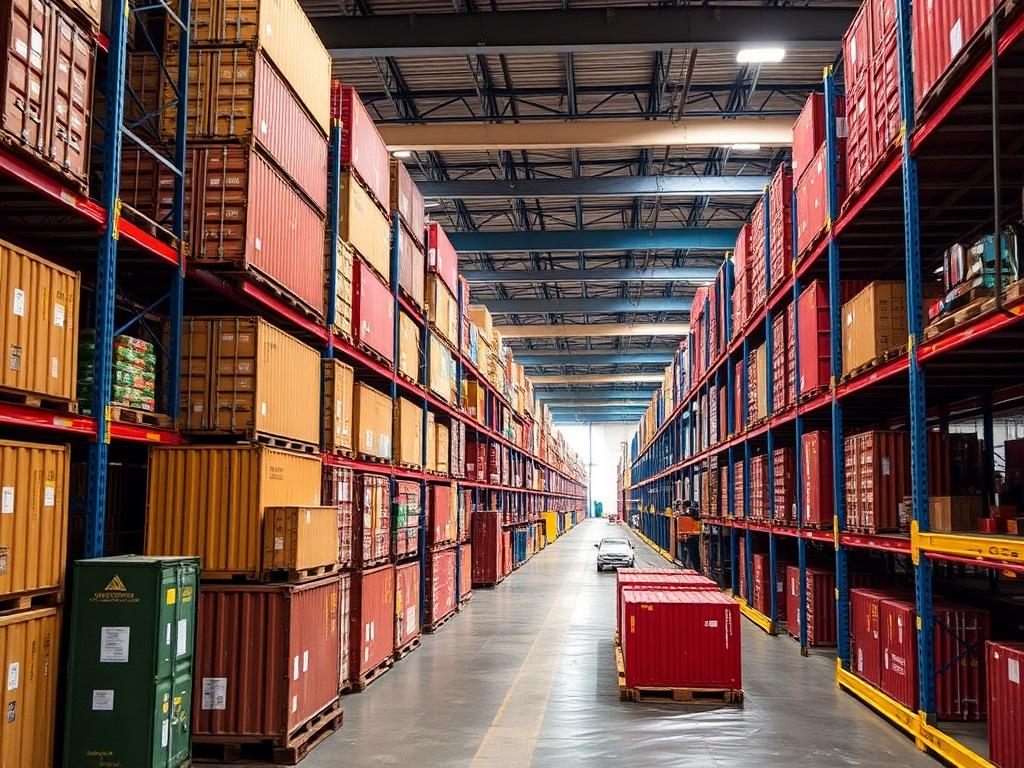
Good records protect your position in audits. Keep invoices, technical specifications, material breakdowns, sample photos, lab reports, and any correspondence with customs. When you rely on a binding ruling or published precedent, store those documents alongside the product file for quick retrieval.
Document the classification logic transparently: list the GRIs you applied, the headings you considered, and the reasons you rejected alternatives. This audit trail shows that your decision was reasoned and consistent with international rules, which goes a long way in inspections or dispute resolution.
If classification decisions change — for example, because the product was redesigned or the regulatory landscape evolved — record the date and reason for the change. That prevents confusion later and demonstrates proactive compliance to auditors or customs officials.
Audits, protests, and correcting mistakes
If customs challenges your classification, respond with documentation and a reasoned legal argument, citing the GRIs, chapter notes, and any relevant Explanatory Notes or rulings. Engage customs brokers or trade counsel when disputes become technical or involve significant liability.
When a mistake is identified, many countries permit voluntary disclosures and tariff adjustments with reduced penalties. Acting promptly is often the least costly path. I’ve guided clients through voluntary disclosures where proactive correction cut penalties in half compared with waiting for an audit finding.
For contested cases, appeal mechanisms exist but follow strict timelines. Prepare your case with comparable products, binding rulings from the jurisdiction or close analogs, and technical expert testimony if needed. A well-documented appeal improves the odds of a favorable outcome.
Checklist: quick steps before you file an entry
Use a concise checklist to reduce last-minute errors. Confirm the precise product description, identify the material composition, check chapter and section notes, apply the GRIs, consult Explanatory Notes, verify national subdivisions, and search binding rulings for precedents.
- Prepare a technical product sheet with photos
- Identify materials by percentage and function
- Locate the likely chapter and heading
- Apply GRIs 1–6 in order
- Consult Explanatory Notes and national tariff schedule
- Search binding rulings and previous classifications
- Document the reasoning and retain supporting evidence
Tips for importers, exporters, and customs brokers
Bring customs into conversations early. When negotiating contracts or pricing, a decision on classification can shift landed costs substantially. Including a clause that allocates liability for classification errors can protect both buyer and seller when duties are unexpectedly high.
Train staff responsible for product descriptions and procurement. Small differences in wording on commercial invoices can shift a classification. I’ve seen teams reduce classification disputes simply by standardizing how products are described across sales, engineering, and customs documents.
Use conservative estimates for duty liability in cash flow projections until a binding ruling is obtained. That prevents shortfalls when duties are assessed differently than expected during clearance or audit processes.
When you can’t find a clear code
If the HS schedule and Explanatory Notes don’t yield a clear answer, consider ordering lab tests to establish material percentages or functionality. Technical data can often settle disputes by showing which component or material provides essential character.
Another route is to seek an advance classification or binding ruling from customs. While it may take time and fees, the legal certainty it provides can be worth the upfront cost for high-volume or high-value products. Factor the ruling timeline into your product launch planning.
Finally, when in doubt, get professional assistance. Specialized customs consultants, trade lawyers, or experienced brokers bring precedents and a nuanced application of the GRIs that can prevent costly missteps. Their fees often pay for themselves through reduced duties and avoidance of penalties.
Real-life cases that illustrate classification nuances
Case 1: An importer shipped a multi-function kitchen appliance with detachable parts. The supplier described it as “kitchen appliance,” while customs considered it a set of parts. Providing an assembly guide and a photo of the product in marketed form persuaded customs that the appliance should be classified as a finished article rather than separate parts.
Case 2: A manufacturer of bicycle components provided only a generic product name for spokes and rims. During an audit, customs argued some items were bicycles rather than parts, triggering higher tariffs. The company avoided penalties by producing engineering drawings and bills of materials that clearly identified the items as parts.
Case 3: A client sought a binding ruling for a new electronic wearable. The ruling process revealed that firmware and connectivity features qualified the device under a telemetric subsection with a favorable duty rate. The ruling saved significant duty costs and clarified label and testing requirements for market entry.
How to use binding rulings and precedents wisely

Precedent rulings are powerful but not always perfectly transferable. Differences in product detail, source of manufacture, or minor functional variations can produce a different outcome. Always compare the factual matrix of the precedent to your product before relying on it.
Keep an eye on legal updates and tariff schedule revisions. HS updates occur every five years and can reassign entire categories. A ruling that was valid last year may not apply after an HS revision, so periodic review matters for long-lived product lines.
When submitting for a ruling, be meticulous: include photographs, technical drawings, test reports, user manuals, and sales literature. The more granular the submission, the less room for customs to interpret facts against you.
Integrating classification into supply chain systems
Include the HS code in your product master data and update it during product development. Linking classification to procurement, invoicing, and inventory systems reduces errors at point-of-entry and ensures consistency across departments. Automation helps but must be governed by periodic human review.
Coordinate with your logistics and compliance teams. A change in classification can change which permits or certificates are required, so align import/export calendars with regulatory lead times. This prevents last-minute shipment holds that disrupt fulfillment.
When outsourcing classification to brokers or third parties, require them to provide the legal basis for any code they assign and to alert you to potential disputes or alternative classifications. Contractual clarity and regular audits of broker performance are good governance practices.
Special categories that often cause confusion
Used goods, samples, and returns require attentive classification and valuation. Customs often treats these differently, and specific exemptions or reduced duties may apply if paperwork is accurate. Properly documenting the condition and prior use avoids misapplication of duty.
Composite goods and kits can be especially tricky because GRIs treat assemblies and sets according to specific rules. Identify whether components are sold together as a set or separately and whether one item in the set imparts the essential character to determine the correct heading.
Products incorporating radioactive or biological materials, or those subject to CITES (wildlife protection), require both tariff classification and regulatory permits. Classifying such goods without considering regulatory overlay risks seizure and severe penalties.
Engaging with customs proactively
Establish a relationship with the customs office in your primary markets when possible. Regular, professional engagement reduces friction and builds trust. Presenting your processes, compliance controls, and product knowledge in an upfront manner often speeds resolution of classification questions.
Consider participating in Authorized Economic Operator programs or other trusted trader initiatives. These programs sometimes include benefits like simplified procedures or priority treatment that reduce the operational impact of classification queries.
When customs raises a question, respond with evidence promptly. Delays worsen scrutiny. I’ve seen time-sensitive shipments released quickly when a company provided lab results and a clear classification rationale within hours rather than days.
Final thoughts on practical classification
Classification demands both method and judgment. Learn the GRIs, use authoritative resources, document your reasoning, and treat classification as an ongoing process rather than a one-off administrative item. The smallest factual detail can change duty outcomes, so meticulousness pays.
When stakes are high, invest in binding rulings, lab testing, or expert advice. For routine items, build a repeatable internal workflow and maintain clear records. Over time, this discipline reduces surprises, saves money, and keeps goods moving across borders with fewer headaches — and that’s the real payoff of getting the HS code right.