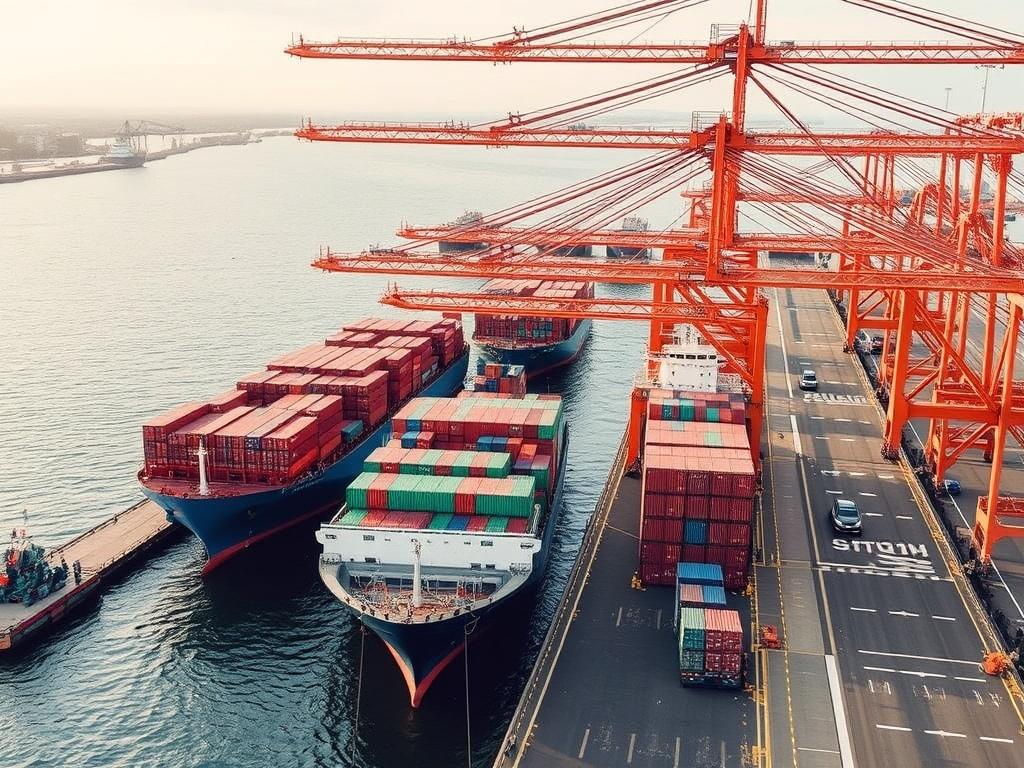
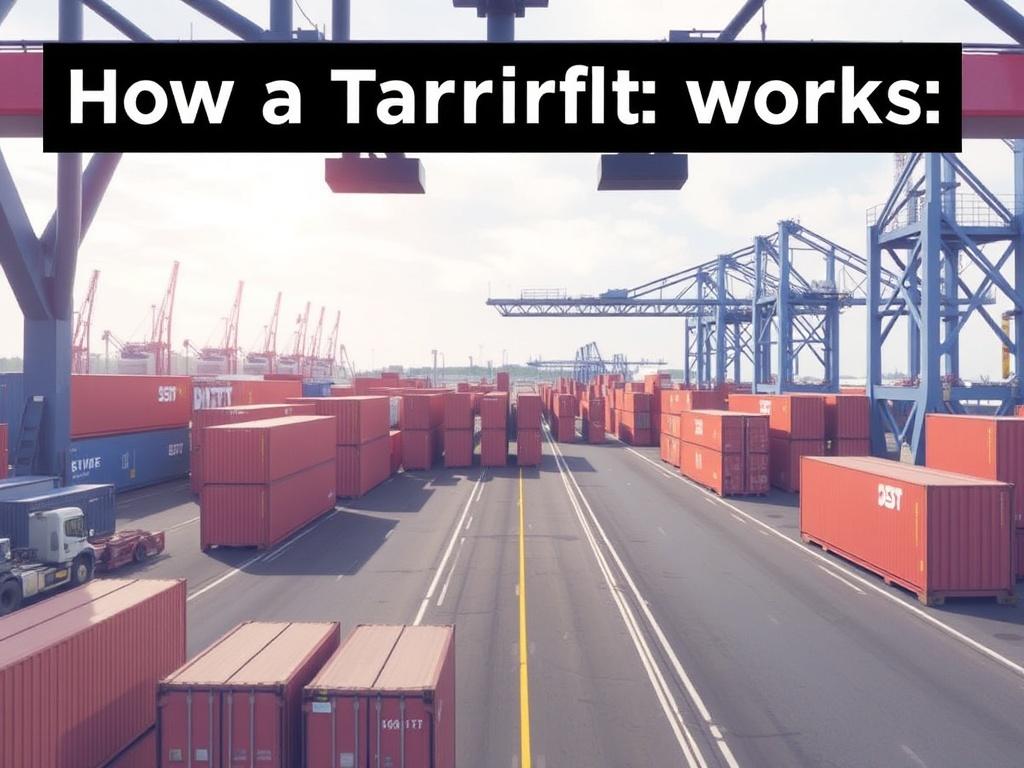
When a container bumps onto the quay or a courier drops a parcel at the back door of a customs facility, a chain of decisions and calculations begins that determines what the importer will actually pay. The phrase “How a tariff works at the port of entry” describes more than a single fee; it points to a system of classification, valuation, legal rules, documentation and inspection that transforms a shipment into an assessed obligation.
Understanding that system helps importers avoid surprises, speed up release times, and reduce risk. This article walks through the technical steps, legal concepts, practical tools and common traps you’ll meet at the port of entry, with concrete examples and hands-on tips drawn from real shipping experience.
- What a tariff actually is and why it matters
- Core concepts you need to know
- Harmonized System (HS) codes and classification
- Valuation: what “value” really means for duty calculation
- Country of origin and preferential rates
- Step-by-step: what happens to a shipment at the port of entry
- Step 1: arrival notification and pre-entry filing
- Step 2: entry documents and bill of entry
- Step 3: classification and valuation review
- Step 4: risk assessment and inspection
- Step 5: duty assessment and payment
- Step 6: release, delivery, and post-entry actions
- How duties are calculated: formulas and an example
- Common types of tariffs and additional charges
- Anti-dumping, countervailing and safeguard measures
- Documentation checklist: what customs expects
- The role of customs brokers and freight forwarders
- Inspections, testing and sanitary controls
- De minimis, low-value shipments, and small parcel handling
- Preferential programs and duty relief
- Post-entry adjustments and protests
- Audits, recordkeeping and compliance programs
- Penalties, fines and criminal risks
- Real-life examples: small parcel vs commercial container
- Practical tips for importers
- Common pitfalls and how to avoid them
- Scenario guides: gifts, repairs, and returned goods
- Technology and automation at the port of entry
- How trade policy changes affect tariff handling
- Checklist: preparing your next shipment for predictable duty treatment
What a tariff actually is and why it matters
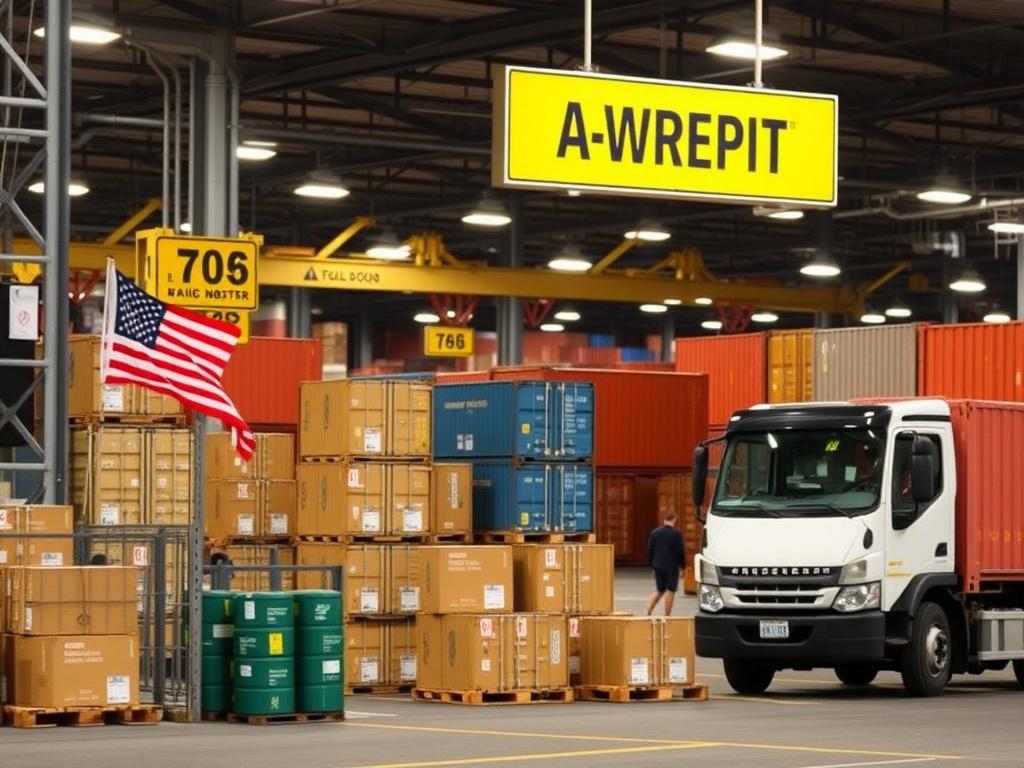
At its simplest, a tariff is a duty or tax imposed on goods when they cross a border. Governments use tariffs to raise revenue, protect domestic industries, influence trade balances, or enforce trade policy. For importers, a tariff is a cost component you must account for when pricing products and planning logistics.
Tariffs matter because they affect competitiveness and cash flow. A product might be cheap to buy abroad but economically unviable once duties, fees, and compliance costs are added. That’s why accurate forecasting of tariff exposure is essential for pricing, sourcing decisions, and supply chain resilience.
Core concepts you need to know
Several core legal and technical concepts shape how duties are calculated at the port. Harmonized System (HS) classification, customs valuation, and country of origin rules interact to determine the rate and applicability of duties, taxes, and any special measures. Missing or misinterpreting any of these components can change a duty bill by a large margin.
Other important elements include tariff schedules published by customs agencies, whether a duty is ad valorem (percentage of value) or specific (fixed amount per unit), and whether preferential treatment applies under a free trade agreement. Each of these factors is applied step by step when authorities process an import entry.
Harmonized System (HS) codes and classification
HS codes are a globally standardized numbering system used to describe products. Every imported good must be classified under the correct HS code, which points to the applicable duty rate in the tariff schedule. Classification hinges on the product’s essential character and composition, not on marketing or brand names.
Classification errors are common and costly. A single-digit misclassification can move a shipment from a low-duty category into one subject to high duties or special controls. That’s why many importers invest time in pre-classification rulings or retain experienced customs brokers familiar with the sector’s nuances.
Valuation: what “value” really means for duty calculation
Customs valuation determines the customs value on which ad valorem duties are imposed. The transaction value — the price actually paid or payable for the goods — is the preferred method under the World Trade Organization (WTO) valuation rules, but there are additional adjustments. Freight, insurance, packing costs, assists, and royalties might be added or excluded according to the valuation rules of the importing country.
Valuation also requires documentary support: commercial invoices, bills of lading, and sometimes contracts that show the real terms of sale. If customs challenges a declared value, they can apply alternative valuation methods, which often results in higher assessed duties and interest charges.
Country of origin and preferential rates
Country of origin rules tell customs which country to attribute to a product for tariff purposes. These rules are crucial for determining eligibility for preferential tariff treatment under free trade agreements and for applying trade remedies. Origin can depend on where raw materials came from, where value was added, or where the last substantial transformation occurred.
When goods qualify under a free trade pact, importers can receive reduced or zero duties, but only if they have the documentation — typically a certificate or supplier declaration — proving origin. Misunderstanding origin requirements is a frequent reason preferential claims are denied at the port.
Step-by-step: what happens to a shipment at the port of entry
When a vessel arrives at port or a flight lands, carriers and importers must submit pre-arrival information in many jurisdictions. That information triggers a formal entry process that moves through lodgment, documentation review, possible examination, and duty assessment. The timing and completeness of information determine how quickly goods clear.
The steps below describe the typical sequence. Specific procedures vary by country, mode of transport, and whether the goods are low-value parcels or commercial container loads. Still, the outline captures the routine decisions customs officers make when assessing duties and releasing cargo.
Step 1: arrival notification and pre-entry filing
Carriers usually file arrival notices and cargo manifests before ships or aircraft arrive. Many countries require an Advance Cargo Information or Import Security Filing to be lodged within a specified timeframe prior to arrival. These pre-arrival filings let customs perform risk assessments and select shipments for inspection or expedited release.
Pre-filing also gives importers a chance to prepare documentation and engage customs brokers. When data is incomplete or late, shipments can be delayed at the point of entry or held under customs control until paperwork is corrected.
Step 2: entry documents and bill of entry
The formal import entry is the package of documents and electronic data submitted to customs to declare the goods. Typical elements include a commercial invoice, packing list, bill of lading or airway bill, import declaration form, and any certificates of origin or permits. Entry documents establish identity, quantity, value and classification.
Most governments require the importer or a licensed customs broker to submit the bill of entry and supporting paperwork. The entry sets the legal basis for duty assessment and release, so accuracy and completeness here prevent later disputes or fines.
Step 3: classification and valuation review
Once an entry is received, customs reviews classification and valuation. Classifiers determine the correct HS code and the corresponding duty rate; valuation specialists verify the declared customs value. This step may involve checks against databases, price references, and cross-referencing with previous rulings or similar imports.
Discrepancies can trigger additional document requests. If customs suspects undervaluation, they may request commercial contracts or proof of related-party transactions; if classification seems off, they may ask for technical specifications or photographs.
Step 4: risk assessment and inspection
Customs applies risk management to decide if a shipment needs physical examination. Random checks, intelligence-led targeting, or red flags in the documentation can lead to inspection. Physical examination ranges from simple opening and inspection of a few cartons to full container unpacking and laboratory testing for regulated goods.
Inspections can cause delays and additional charges for storage, sampling, or fumigation. Adjusting to inspection routines — for example, by providing clear packing lists and accessible seals — can speed the process and reduce ancillary costs.
Step 5: duty assessment and payment
After classification and valuation are confirmed, customs calculates duties and taxes. Payment options vary: some countries require full payment at entry; others allow deferred payment with a bond or deposit. Payment methods often include electronic funds transfer, bank guarantees, or customs bonds arranged by brokers.
If duties are not paid on time, goods may be re-seized, or penalties applied. Importers should factor payment timelines and available cash-flow options into their arrival and release plans to avoid extra costs.
Step 6: release, delivery, and post-entry actions
Once duties and any other conditions are cleared, customs issues a release notice and the carrier may deliver the cargo. Post-release, importers might have obligations such as recordkeeping, follow-up inspections, or periodic reporting. If errors are discovered after release, post-entry corrections and protests are possible within the statutory timeframe.
Post-entry audit programs mean that accurate documentation retention and traceable processes are as important as the initial entry. Errors discovered during audits often lead to additional duties, fines, and interest charges.
How duties are calculated: formulas and an example
Duty calculation follows a straightforward formula in many jurisdictions: duty = customs value × duty rate. For specific duties, the formula becomes duty = unit quantity × specific rate. Additional taxes like VAT or excise are often applied on top of the customs value plus duty, further increasing the landed cost.
Below is a simple table showing a typical duty calculation for an ad valorem duty plus value-added tax charged at import.
| Item | Amount (USD) |
|---|---|
| Invoice value (transaction value) | $10,000.00 |
| + Insurance and freight (if required by valuation rules) | $1,000.00 |
| = Customs value (CIF) | $11,000.00 |
| Duty rate (ad valorem) | 6% |
| Import duty | $660.00 |
| VAT rate | 10% |
| VAT base (customs value + duty) | $11,660.00 |
| VAT payable | $1,166.00 |
| Total duties and taxes | $1,826.00 |
In this illustration, the landed duties and taxes add roughly 18.26% to the invoice price, which underscores why duty planning matters. Note that the specific structure of valuation (FOB vs CIF), whether freight is added, and whether taxes apply to duty can change total costs materially.
Common types of tariffs and additional charges
Not all tariffs are simple import duties. Governments may impose specific duties per unit (e.g., cents per kilogram), minimum duties, or mixed duties combining ad valorem and specific elements. Moreover, importers routinely face non-duty charges like customs processing fees, harbor maintenance levies, and environment or anti-pollution surcharges.
Trade remedy duties — anti-dumping (AD) and countervailing (CVD) duties — are separate charges applied when domestic industries successfully argue that unfairly low-priced imports harm them. These can be very high and are typically applied in addition to regular tariffs.
Anti-dumping, countervailing and safeguard measures
Anti-dumping duties address imports sold below fair market value; countervailing duties counteract foreign subsidies; safeguard duties respond to sudden surges that injure domestic producers. All three are applied case-by-case, often with retroactive assessments for past entries, and can surprise unprepared importers.
Because these duties are tied to trade remedy investigations, importers need to track whether their commodity and country pairings are subject to active measures. Customs publishes lists and notices, and brokers generally monitor these developments closely.
Documentation checklist: what customs expects
Keeping the right documents ready is the single best way to speed up clearance. Below is a compact checklist most customs authorities will expect at the time of entry or upon request.
- Commercial invoice showing parties, price, terms, and currency
- Bill of lading or airway bill
- Packing list with weights and dimensions
- Certificate of origin or supplier’s declaration (for preferential treatment)
- Insurance certificate or policy
- Import permits, licenses, or health/phytosanitary certificates for regulated goods
- Contracts or technical specifications for complex classification cases
Missing any of these can result in delays, additional documentary requests, or even detention of goods. Digital copies are often sufficient for initial processing, but many customs authorities reserve the right to request originals later.
The role of customs brokers and freight forwarders
Customs brokers act as the importer’s agent to prepare and submit entries, calculate duties, and liaise with customs authorities. Freight forwarders manage physical movement and may offer entry filing as part of their services. Both play pivotal roles in smoothing the path at the port of entry.
Choosing experienced, licensed brokers familiar with your product category and trade lanes is a practical investment. Brokers not only handle paperwork but can advise on classification, preferential claims, bonding, and strategies to manage audits or disputes.
Inspections, testing and sanitary controls
Goods subject to health, safety, or environmental regulations will undergo specific checks. Food, plant and animal products require sanitary and phytosanitary certificates; electronics may need safety or energy compliance testing; chemicals can demand Material Safety Data Sheets (MSDS) and special permits. These processes protect public safety but add time and cost.
When shipments fail tests or lack proper certification, customs can quarantine or refuse entry, triggering costly returns or destruction. Planning compliance early in the supply chain — at the manufacturing or export point — reduces the chance of rejection at arrival.
De minimis, low-value shipments, and small parcel handling
Many countries exempt very low-value shipments from duty, a de minimis threshold designed to ease administration for small parcels. Thresholds and rules vary widely. Some jurisdictions also waive VAT or administrative fees under certain low-value limits for e-commerce shipments.
For online sellers and consumers, knowing the de minimis level is crucial. Low-value exemptions can make a major difference to whether cross-border selling is economically feasible, but thresholds and exemptions are changing frequently as governments adapt to e-commerce realities.
Preferential programs and duty relief
Beyond FTAs, there are several duty-relief programs importers can use. Temporary importation regimes allow goods to enter duty-free for re-export within a specified period, while inward processing relief permits duty deferral for imported inputs used to produce export goods. Drawback programs refund duties paid on imported components that were later exported as part of finished products.
Accessing relief programs often requires upfront approvals, bonds, and careful recordkeeping. Yet for manufacturers or exporters, these programs can produce substantial savings on landed cost and working capital requirements.
Post-entry adjustments and protests
If an importer discovers an error after release, they can typically file post-entry adjustments or protests within a statutory window. This might involve correcting classification, claiming a preferential origin that was initially omitted, or disputing an assessment. Timely, well-documented protests can recover overpaid duties.
However, protests require supporting evidence and a clear legal basis. Customs agencies scrutinize these claims and may audit related transactions, so maintain meticulous records before filing any challenge.
Audits, recordkeeping and compliance programs
Customs audits verify that imports were declared correctly and duties paid. Auditors examine invoices, contracts, supplier declarations, and import processes. Strong internal compliance programs reduce audit exposure and help demonstrate good faith if issues arise during review.
Many companies implement customs compliance measures such as pre-entry checks, tariff classification databases, periodic internal audits, and training for procurement staff. These steps pay off by reducing rework, fines and unanticipated duty bills.
Penalties, fines and criminal risks
Non-compliance with customs rules can lead to administrative penalties, interest on unpaid duties, and in serious cases criminal prosecution. Penalties scale with the severity and nature of the violation, whether it was negligent, reckless, or intentional fraud. Repeat offenders face stiffer sanctions and loss of privileges.
Transparency and corrective action matter. If an error is discovered, voluntary disclosure programs in many jurisdictions can mitigate penalties if the importer self-reports and cooperates with customs during remediation.
Real-life examples: small parcel vs commercial container
A friend of mine runs a small online retail business and regularly ships low-value consumer goods. Because her shipments often fall under the de minimis threshold of destination countries, most packages clear with minimal duty. Yet one shipment of cosmetics hit an unexpected testing rule and was detained for certification, demonstrating how product type can override value exemptions.
By contrast, I once worked with a manufacturer importing pallets of components by container. Classification and valuation became central issues: a minor reclassification increased duty rates dramatically, and the company needed a post-entry ruling to rectify the error. The additional duties and interest highlighted the importance of pre-import classification and broker expertise.
Practical tips for importers
Start with classification. Obtain binding tariff rulings when possible so you know the duty treatment before goods leave the factory. Binding rulings provide legal certainty and are often accepted at ports of entry without further debate.
Document everything. Keep clear contracts, supplier declarations of origin, freight and insurance invoices, and packing lists. Good records simplify valuation issues and are invaluable if customs questions a declaration months after import.
Work with a trusted broker. A competent customs broker reduces errors, speeds releases, and can often suggest cost-saving measures like using duty relief programs. Choose someone who understands your products and customs regimes where you import.
Plan for inspections and testing. If your product falls into regulated categories, secure permits and certificates in advance and build potential testing time into lead times. That avoids costly demurrage at the port and surprise rejections.
Monitor trade measures. Regularly check customs bulletins or subscribe to updates about anti-dumping and other trade remedies that could affect your commodity-country pairings. Early awareness gives you options such as rerouting suppliers or contesting measures during review periods.
Common pitfalls and how to avoid them
Under-declaring value to lower duties is a recurrent mistake and one with serious consequences. Customs uses cross-checks with market prices and related-party transaction rules to detect undervaluation. Declaring the correct value and maintaining transparent contracts is crucial to avoiding penalties.
Miscalculation of origin is another trap. Failing to document substantial transformation or relying on incorrect supplier declarations often leads to denied preferential treatment. Obtain and retain proper origin certificates and be ready to demonstrate manufacturing processes if necessary.
Finally, ignoring local taxes and fees beyond customs duty — such as environmental levies, excise taxes or harbor fees — leads to surprise costs. Include those elements in landed cost models to set accurate pricing and margins.
Scenario guides: gifts, repairs, and returned goods
Goods classified as gifts may still attract duties or be subject to different documentation requirements despite their non-commercial nature. Some jurisdictions set lower duty rates for gifts up to a defined value, but proof of non-commercial intent may be necessary.
Temporary imports for repair typically qualify for duty relief under temporary admission rules, provided the goods are re-exported within the allowed timeframe. Clear documentation showing the intended re-export and the nature of repairs is critical to securing exemption.
Returned goods can often be admitted duty-free if they are the same goods previously exported from the country, but proof of previous export and lack of modification is required. Keep export records and serial numbers handy to speed processing on re-entry.
Technology and automation at the port of entry
Customs authorities increasingly rely on electronic filing systems, risk-scoring algorithms, and data analytics to process arrivals. This shift shortens clearance times for compliant traders but raises the bar for data quality. Automated systems flag anomalies quickly, so correct and timely filings are more important than ever.
Blockchain pilots and single-window platforms aim to streamline document flows between carriers, brokers, and regulators. When these systems are used intelligently, they reduce redundancy, speed approvals, and create auditable trails that simplify post-entry audits.
How trade policy changes affect tariff handling
Tariff rates and trade rules change with policy shifts, negotiations, and economic events. New tariffs can be introduced suddenly, and preferential agreements can phase in or expire. Importers need processes to monitor and adapt to such changes to avoid costly missteps at the port.
Strategic sourcing — diversifying suppliers across countries and considering nearshoring — is one response to tariff volatility. Another is hedging through contractual terms with suppliers that allocate tariff risk, so you’re not forced to absorb unexpected duties without recourse.
Checklist: preparing your next shipment for predictable duty treatment
Below is a brief operational checklist you can run through before a shipment departs to reduce surprises at the port of entry.
- Verify HS classification and consider a binding ruling for high-value lines.
- Confirm transaction value and prepare supporting contracts and invoices.
- Obtain certificates of origin and permits where preferential treatment or regulation applies.
- Engage a qualified broker and share complete shipping data early.
- Plan for inspections and therapeutic testing timelines if your goods are regulated.
- Estimate duties, taxes and ancillary charges and build them into landed-cost calculations.
- Prepare for post-entry recordkeeping and potential audits by retaining originals and digital backups.
Following these steps reduces unexpected delays and financial exposure, making the port of entry a more predictable point in your supply chain.
Tariffs at the port of entry are not a single line item on an invoice but the product of legal definition, paperwork, inspection, and calculation. Getting the classification, valuation and origin right up front makes the difference between a smooth customs clearance and a costly administrative headache. Prepare documentation carefully, work with experienced brokers, and treat customs as an integral part of procurement and logistics planning.
When I advise clients, we focus on three practical actions: secure accurate HS classification, obtain documentary evidence for valuation and origin, and build a workflow for rapid response to customs queries. That combination has repeatedly shortened release times and cut penalties for companies ranging from small e-commerce sellers to mid-sized manufacturers.
Ultimately, understanding how tariffs are applied at the port of entry turns uncertainty into manageable steps. With proper preparation, the port becomes less of a risk and more of a controlled waypoint in the movement of goods across borders.