When trade diplomats first stitched together a postwar framework for international commerce, they imagined a rules-based system that would restrain tariffs and smooth the rough edges of cross-border competition. The World Trade Organization became that framework’s steward, with legal tools and routines meant to cap how high tariffs can go and to create predictability for exporters and importers alike. Yet in recent years the WTO’s capacity to hold tariffs down and adjudicate disputes has weakened, leaving economies exposed to sudden protectionism and political maneuvering.
- Why tariffs matter: the economic logic
- The WTO’s basic mission and tools
- Bound rates vs. applied rates: the central distinction
- Most-favored-nation (MFN) principle
- Tariff bindings and schedules: the legal architecture
- Safeguards, anti-dumping, and countervailing duties
- Preferential trade agreements and the GATT Article XXIV exception
- How the WTO limits tariffs in practice
- Monitoring and notification: the quiet constraint
- Dispute settlement: the enforcement backbone
- Why the WTO’s limits are fraying
- The Appellate Body impasse and enforcement paralysis
- Consensus decision-making: gridlock in a crowded room
- Rise of unilateral measures and the normalization of tariffs as politics
- Technological and economic change outpacing the rulebook
- Subsidies and industrial policy: the elephant in the room
- How some members have responded outside the WTO
- Mega-regionals and club rules
- Use of safeguard and anti-dumping laws as political tools
- Real-world examples that show the strain
- U.S.-China tariff war
- Appellate Body paralysis and the ripple effects
- Agricultural tariffs and developing-country pressures
- What reform would need to address
- Restoring effective dispute settlement
- Updating rules for subsidies and state support
- Addressing digital trade and services
- Rethinking decision-making and special treatment
- Bolstering transparency and technical assistance
- Practical steps governments can take now
- My experience observing WTO dynamics
- The political economy of reform: incentives and obstacles
- Coalitions of the willing and phased approaches
- What failure would look like and why it matters
- Reasons for guarded optimism
- Final reflections
Why tariffs matter: the economic logic
Tariffs are taxes on imports, and their level matters for prices, production, and consumer choice. Low and predictable tariffs reduce costs for exporters, encourage competition, and integrate supply chains; high or fluctuating tariffs raise consumer prices, distort investment decisions, and invite retaliation.
Because tariffs sit at the intersection of domestic politics and international diplomacy, they are often the easiest lever for governments who want to protect domestic industries or retaliate in trade disagreements. That tension is precisely why a credible international mechanism to limit tariffs has value beyond economics: it channels conflict into rules rather than force.
The WTO’s basic mission and tools
The WTO was created in 1995 to replace the General Agreement on Tariffs and Trade (GATT) and to provide a more comprehensive, institutional framework for trade. Its twin aims are liberalization — lowering barriers to trade — and predictability — making sure rules are transparent and enforceable.
To limit tariffs, the WTO relies on a mix of legally binding commitments, procedural norms, and monitoring. Those instruments are not magic: they work because governments accept constraints in exchange for the benefits of access to foreign markets. But how those pieces fit together is often technical, and the differences matter a great deal in practice.
Bound rates vs. applied rates: the central distinction
One of the most important concepts in WTO practice is the difference between bound and applied tariff rates. A “bound” rate is the maximum tariff a member commits not to exceed, recorded in its schedule of concessions.
An “applied” rate is what a country actually charges at the border. In many cases applied rates are well below the bound rate, creating a buffer known as binding overhang. That buffer gives governments room for sudden protectionist spikes, but the bound rate still serves as a legal ceiling under WTO rules.
Most-favored-nation (MFN) principle
The MFN principle requires WTO members to apply identical tariffs to like products from all other members, unless a specific exception applies. This principle prevents discriminatory tariff treatment and underpins the reciprocal bargains that make tariff bindings meaningful.
MFN creates a baseline of nondiscrimination that, coupled with bound rates, reduces the ability of powerful trading partners to extract special concessions through coercion. Nevertheless, MFN has built-in exceptions that grow in importance over time.
Tariff bindings and schedules: the legal architecture
When countries negotiate market access, they do so by offering tariff concessions and then formalizing those offers as bindings in their tariff schedules. Those schedules list specific tariffs by product and form a legal commitment in the WTO.
Because schedules can be detailed and product-specific, the negotiation process tends to focus on politically sensitive sectors first — agriculture, textiles, and automobiles, for example. Once a binding is recorded, any attempt to raise applied tariffs above that level can trigger legal challenge, unless the member follows formal procedures for compensation or safeguards.
Safeguards, anti-dumping, and countervailing duties
The WTO recognizes that sudden surges in imports can harm domestic industries, so it provides tools that permit temporary relief under strict conditions. Safeguards allow a country to raise tariffs or impose quotas against a product experiencing serious injury due to increased imports.
Anti-dumping duties and countervailing measures target unfair practices: dumping occurs when exporters sell below their normal value, while countervailing duties address imported goods benefiting from foreign subsidies. These exceptions are tightly regulated but have become frequent battlefields in trade disputes.
Preferential trade agreements and the GATT Article XXIV exception
The WTO permits regional and bilateral free trade agreements under Article XXIV of the GATT, provided they remove duties on “substantially all” trade among members and do not raise barriers for third parties. In practice, preferential agreements like NAFTA/USMCA and the EU Customs Union reduce tariffs among members while leaving MFN intact outside the bloc.
These agreements create overlapping systems of lower tariffs for insiders and higher tariffs for outsiders — an outcome the WTO allows because governments value deeper integration among willing partners. But proliferation of exclusive arrangements erodes the universality of MFN and creates a complex patchwork of rules.
How the WTO limits tariffs in practice
Legal texts are only one side of the story. The WTO also constrains tariffs through surveillance, information-sharing, and a dispute settlement system designed to enforce bindings and penalize violations. Those practical mechanisms determine whether limits on tariffs have real bite.
Below is a compact overview of the main WTO instruments that restrain tariff discretion and what each instrument actually delivers.
| Instrument | Legal basis | Effect |
|---|---|---|
| Tariff bindings (schedules) | GATT schedules | Sets legal ceilings on tariffs; violations can be challenged |
| Most-favored-nation (MFN) | GATT Article I | Prevents discriminatory tariffs among members |
| Dispute settlement | DSU (Dispute Settlement Understanding) | Enforces commitments and authorizes remedies for violations |
| Safeguards & exceptions | GATT Articles XIX, XX, etc. | Permits temporary tariff increases under strict rules |
| Transparency/notifications | Various WTO agreements | Helps members monitor tariff changes and compliance |
Monitoring and notification: the quiet constraint
Members are required to notify the WTO about changes in tariff schedules, applied tariffs, and use of safeguard or anti-dumping measures. That transparency helps other members spot violations and mount challenges when necessary.
In practice the system works unevenly. Many notifications are late, incomplete, or technically deficient, and resource-constrained governments often struggle to keep pace. Still, the mere requirement to report changes creates a reputational cost for abrupt, unexplained tariff hikes.
Dispute settlement: the enforcement backbone
The dispute settlement mechanism (DSM), under the Dispute Settlement Understanding, is the WTO’s primary enforcement tool. Panels and an Appellate Body interpret agreements and determine when a member has exceeded its commitments, including when applied tariffs surpass bound rates.
A successful dispute can lead to authorized retaliation or require the offending member to alter its measures. For many years the DSM provided a credible deterrent to tariff violations, with a track record of compliance that bolstered the perception that bindings mattered.
Why the WTO’s limits are fraying
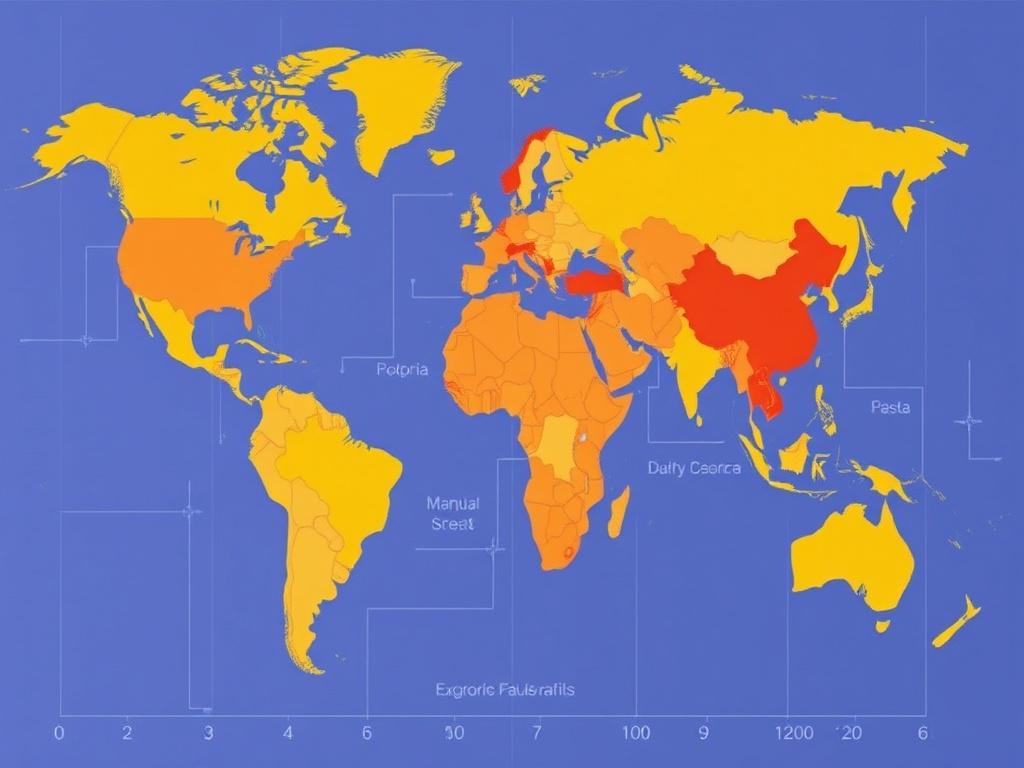
Despite a robust legal structure on paper, the WTO’s ability to keep tariffs in check has been under stress for a decade. Multiple factors have converged to erode its effectiveness: political polarization, procedural gridlock, the rise of new trade instruments, and changing economic realities.
Understanding those forces requires unpacking both institutional weaknesses and broader geopolitical shifts. The result is a WTO that still matters, but whose constraints are less certain and less universal than they once were.
The Appellate Body impasse and enforcement paralysis
Since late 2019, the WTO’s Appellate Body has been effectively paralyzed because the United States blocked appointments to the court. Without a functioning appellate review, the dispute settlement system lacks a final, authoritative stage, undermining confidence in enforcement.
Countries can still use panels, but rulings are more vulnerable to nullification or non-recognition, and the incentive to litigate diminishes when outcomes are uncertain or slow. The Appellate Body impasse has therefore weakened the threat of credible retaliation for tariff breaches.
Consensus decision-making: gridlock in a crowded room
The WTO operates largely by consensus, which was feasible when membership was smaller and interests were more aligned. With around 164 members today, finding unanimity on new rules or reforms has become arduous.
Developing countries often insist on special and differential treatment, while advanced economies push for stricter disciplines on subsidies or state-owned enterprises. Those competing priorities slow or freeze negotiations, leaving gaps in the rulebook that governments can exploit.
Rise of unilateral measures and the normalization of tariffs as politics
Recent years have seen major economies resort to unilateral tariffs and trade measures for domestic political reasons — for example, national security exceptions and Section 301-style investigations. These moves weaken the norm that disputes should be resolved under WTO procedures.
When influential members use tariffs as instruments of strategic competition, smaller countries feel they have less protection from retaliation and less incentive to rely solely on multilateral remedies. The equilibrium shifts from rule-based restraint to ad hoc bargaining.
Technological and economic change outpacing the rulebook
The WTO’s core text and negotiating agenda were built around goods trade and tariffs. The explosive growth of services, digital commerce, and global value chains has exposed gaps in the organization’s remit that influence how tariffs and trade policy are used.
Tariffs do not capture the full picture of protection in an economy that relies heavily on services, data flows, and integrated supply chains. The WTO’s slow adaptation to these realities reduces its relevance as a tool for managing contemporary trade frictions.
Subsidies and industrial policy: the elephant in the room
Many of today’s trade tensions revolve around subsidies, industrial policy, and state-owned enterprises rather than overt tariff barriers. Large-scale subsidization can distort trade flows as much as tariffs, but the WTO’s rules on subsidies are less developed and harder to enforce.
Negotiations on modernizing subsidy disciplines have stalled because powerful members see subsidies as essential to domestic industrial strategies. That impasse allows subsidized industries to grow without the same legal constraints that tariffs face, changing the balance of competitive advantage.
How some members have responded outside the WTO
When multilateral progress stalls, countries often turn to regional or bilateral deals to secure better market access and stable rules. That strategy provides immediate benefits but also carries longer-term costs for the multilateral system.
The proliferation of preferential trade agreements (PTAs) has created a dense network of overlapping rules, exceptions, and exclusions. These arrangements can lower tariffs among signatories but leave outsiders facing higher barriers and fragmented standards.
Mega-regionals and club rules
Deals such as the Comprehensive and Progressive Agreement for Trans-Pacific Partnership (CPTPP) and the Regional Comprehensive Economic Partnership (RCEP) illustrate how groups of countries can deepen integration beyond what the WTO has achieved. These pacts include rules on services, investment, and regulatory cooperation that the WTO lacks.
While such agreements lower tariffs among members, they also reduce the incentive to pursue broad multilateral liberalization. Members channel their negotiating energy into exclusive clubs rather than universal norms, accelerating fragmentation.
Use of safeguard and anti-dumping laws as political tools
Even where WTO rules exist, their use has sometimes become politicized. Anti-dumping and safeguard investigations have been invoked frequently, sometimes as a form of protectionism dressed up as legal compliance.
Because these instruments allow for temporary tariff hikes, they can be attractive to policymakers who wish to shield domestic industries without overtly violating WTO norms. The cumulative effect is an environment where tariffs can still rise, even if they stay within a formal legal framework.
Real-world examples that show the strain
To understand how the WTO’s tariff limits operate under stress, it helps to look at concrete cases. Several recent episodes illustrate both the organization’s strengths and its weaknesses.
U.S.-China tariff war
When the United States and China imposed large, sequential tariffs on hundreds of billions of dollars of goods beginning in 2018, the moves exposed the limits of multilateral restraint. Both sides invoked a mixture of national security arguments, Section 301 measures, and retaliatory tariffs.
Although both countries used WTO-consistent instruments in parts of their response, the scale and political nature of the actions outstripped the WTO’s ability to provide rapid remedies. The dispute settlement system could not prevent tariff escalation in real time, showing how enforcement lags behind political decisions.
Appellate Body paralysis and the ripple effects
The Appellate Body crisis curtailed the WTO’s ability to produce binding interpretations of disputes that include tariff questions. Some countries shifted toward negotiating settlements outside the DSM, while others sought alternative arbitration arrangements.
These ad hoc fixes preserved some dispute resolution capacity, but they also reduced the transparently authoritative role the WTO previously played. The loss of a stable jurisprudence makes it harder to deter tariff breaches and undermines predictability.
Agricultural tariffs and developing-country pressures
Agriculture remains one of the most protected sectors globally, with high bound rates and tariff escalation common in many countries. Developing countries often face politically sensitive choices between protecting rural livelihoods and honoring binding commitments.
The uneven liberalization in agriculture has fed grievances for decades, prompting some countries to use safeguards or to press for special treatment. The WTO’s inability to resolve these tensions has contributed to wider doubts about the fairness and effectiveness of its rules.
What reform would need to address
Fixing the WTO’s capacity to limit tariffs is not just a technical project; it requires political will and a realistic understanding of contemporary trade patterns. Reform proposals fall into two broad categories: restoring enforcement and modernizing the rulebook.
Both tracks are necessary. Strengthening enforcement without updating the rules would cement an outdated regime, while updating rules without enforceability would risk delivering toothless promises.
Restoring effective dispute settlement
Most pragmatic proposals begin with reviving the Appellate Body or creating an equally credible appellate mechanism. That requires addressing the substantive concerns raised by critics, such as perceived judicial overreach and delays in rulings.
Smaller, interim measures have emerged, such as multi-party interim appeal arbitration arrangements, but a durable solution demands political agreement among major players. Without it, the threat of meaningful remedies for tariff violations will remain unreliable.
Updating rules for subsidies and state support
New disciplines on subsidies, especially those targeted at strategic industries and green technologies, would help rebalance the modern trade regime. Clearer rules could limit the need to rely on tariffs as a blunt instrument against subsidized competitors.
Negotiating such disciplines is politically difficult because they hit at core industrial strategies. But selective, well-crafted rules with careful transition periods and technical assistance for poorer countries could make progress feasible.
Addressing digital trade and services
Tariffs are less relevant for digital products and cross-border services, yet the modern economy depends increasingly on these flows. The WTO needs workable rules on data, services, and electronic commerce to remain central to trade governance.
Harmony on digital trade would not directly lower goods tariffs, but it would reduce incentives to use tariffs as policy levers for broader economic goals. It would also reassert the WTO’s relevance for business sectors driving growth today.
Rethinking decision-making and special treatment
Reformers have proposed more flexible voting and plurilateral agreements to overcome consensus paralysis. Allowing coalitions of willing members to move forward on specific issues could provide momentum while protecting the interests of dissenting members.
At the same time, developed and developing countries need clearer, time-limited arrangements for special and differential treatment. That would relieve some negotiating friction by setting realistic expectations on both sides.
Bolstering transparency and technical assistance
Improving notification quality and providing capacity-building to help poorer members meet reporting obligations would make the monitoring system more effective. When other members can quickly and accurately see tariff and regulatory changes, violations become easier to detect and challenge.
Technical assistance also helps countries transition away from tariff-dependent revenue structures and toward modern tax systems, reducing political pressure to use tariffs as domestic policy tools.
Practical steps governments can take now

While big institutional reforms often move slowly, some measures can improve outcomes in the near term. These steps help preserve predictability, reduce escalation, and keep trade disputes from becoming full-blown standoffs.
- Prioritize transparency by improving and timely filing of tariff notifications.
- Use interim arbitration arrangements for appeals to maintain a deterrent against tariff breaches.
- Negotiate targeted plurilateral agreements on pressing issues like subsidies or digital trade.
- Coordinate among like-minded members to resist unilateral tariffs and to keep disputes within rules-based channels.
These practical measures do not replace the need for comprehensive WTO reform, but they can reduce the short-term harm from tariff volatility and maintain incentives for longer-term cooperation.
My experience observing WTO dynamics
Over years of reporting and sitting in on trade briefings, I’ve seen how much of trade diplomacy happens in the margins: bilateral deals struck during multilateral rounds, quiet concessions hammered out over late-night negotiations, and technical fixes agreed by small groups. These dynamics matter because they shape what bindings look like on the ground.
One vivid example came during a ministerial meeting I attended where negotiators stayed in the conference center lobby for hours until a compromise on tariff schedules emerged. The deal was technical, but it reflected tradeoffs that mattered for factories in multiple countries. Those human moments show why the WTO’s institutional mechanics—slow, procedural, and sometimes messy—still matter for livelihoods and investment decisions.
The political economy of reform: incentives and obstacles
Reforming the WTO runs into classic political-economy barriers: domestic constituencies that benefit from protection, the distributional effects of liberalization, and the short electoral horizons of policymakers. These constraints explain why tariffs remain politically potent even when economic theory favors liberalization.
Internationally, the incentives are mixed. Export-dependent economies benefit from strong, enforceable limits on tariffs, while countries pursuing industrial policy may prefer looser constraints. Reform requires aligning these divergent incentives, a task that will not be finished by technical fixes alone.
Coalitions of the willing and phased approaches
One promising route is for like-minded countries to form coalitions that advance deeper disciplines and then invite others to join. Plurilateral agreements within the WTO framework have precedent and can tackle specific problems without waiting for full consensus.
Phased approaches that combine immediate practical steps with longer-term institutional fixes can also bridge political divides. For instance, instituting temporary appellate arrangements while negotiating Appellate Body reforms builds confidence that commitments will be enforced.
What failure would look like and why it matters
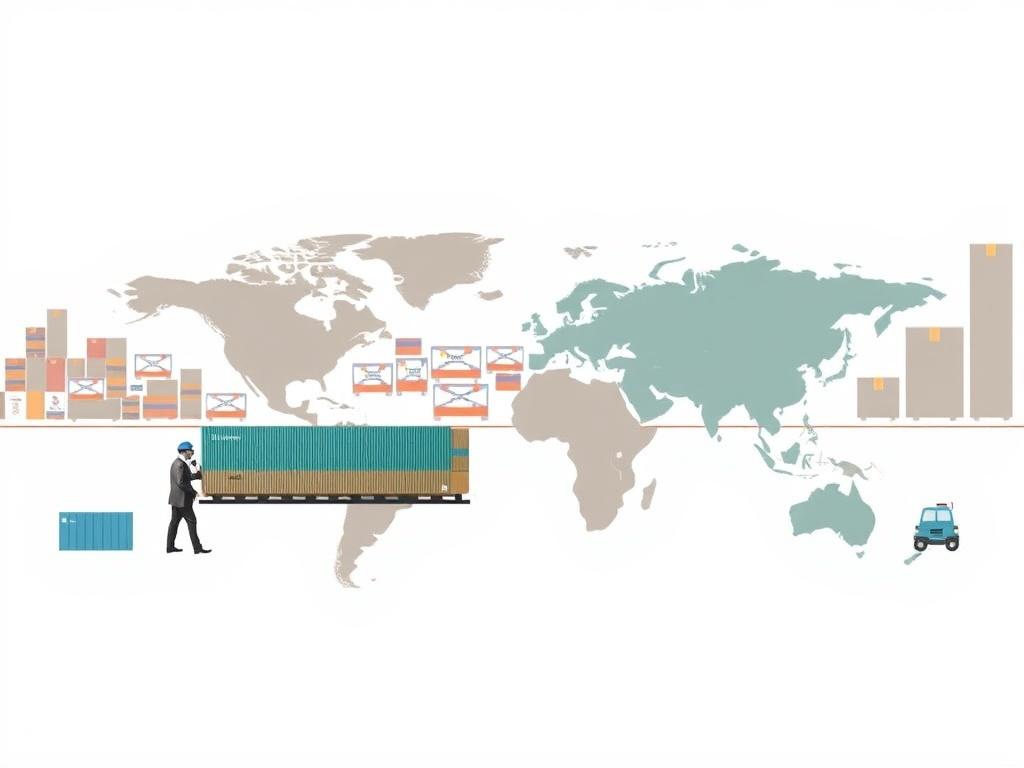
If the WTO cannot hold tariffs within predictable bounds and if dispute settlement remains hobbled, global trade will likely become more fragmented and volatile. Countries will lean further into unilateral measures, regional blocs, and tit-for-tat retaliation.
The consequences are more than hypothetical. Higher and less predictable tariffs would raise costs for consumers, slow the diffusion of technology, and make global supply chains more brittle. For developing countries dependent on export-led growth, the stakes are particularly high: unpredictability undermines investment and development prospects.
Reasons for guarded optimism
Despite the many problems, the WTO still matters. Members continue to rely on its dispute settlement mechanisms where they work, and the institution remains the primary forum for negotiating multilateral rules. The existence of a detailed rulebook constrains behavior even when enforcement is imperfect.
Recent informal talks among major economies and a flurry of plurilateral initiatives suggest that, while slow, repair is possible. If major players find a way to balance enforcement reforms with modernized rules on subsidies, digital trade, and state support, the WTO could regain much of its lost authority.
Final reflections
How the WTO limits tariffs (and why it’s failing) is not a simple story of legal erosion; it is a narrative of changing economic realities meeting an institution built in a different era. Tariff bindings and MFN remain powerful instruments when institutions work, but political choices and new policy tools have weakened their practical bite.
Rebuilding the WTO’s capacity to constrain tariffs requires both technical fixes—restoring appellate review, tightening subsidy rules—and political compromises that acknowledge development concerns while enforcing reciprocity. The future of predictable, low-tariff trade depends on whether governments choose to invest in those collective solutions or default to fragmented, short-term measures that offer immediate political relief at the cost of long-run stability.