
Walk into any clothing store and the price tag feels straightforward: a number, sometimes sale, sometimes sticker shock. Underneath that number is a complex weave of decisions, taxes, and rules—among them, tariffs on textiles and apparel that quietly nudge the final price up or down. Textile tariffs: Why your clothes cost what they do is less a single explanation than a map of trade policy, supply-chain logistics, and commercial strategy. This article peels back layers of that map so you can see how a shirt travels from fiber to checkout and why a few percentage points at the border can ripple through the whole process.
- The long arc: a brief history of textile tariffs
- How tariffs are measured and applied
- Different kinds of tariffs and trade instruments that affect apparel
- Where tariffs bite in the supply chain
- Tariff engineering and rules of origin: how suppliers chase savings
- Trade remedies: when governments step in
- Real-world examples: how policy shifts changed the map
- Costs beyond tariffs: labor, logistics, compliance, and sustainability
- How brands, retailers, and importers absorb or pass on tariffs
- Tariff classifications that matter: knit vs woven, apparel vs fabric
- Simple table: components of a garment’s landed cost
- Practical tips for shoppers and small brands
- The future: automation, nearshoring, and greener supply chains
- Where policy meets pocketbook: the consumer-facing effects
- Final thoughts and practical ways forward
The long arc: a brief history of textile tariffs
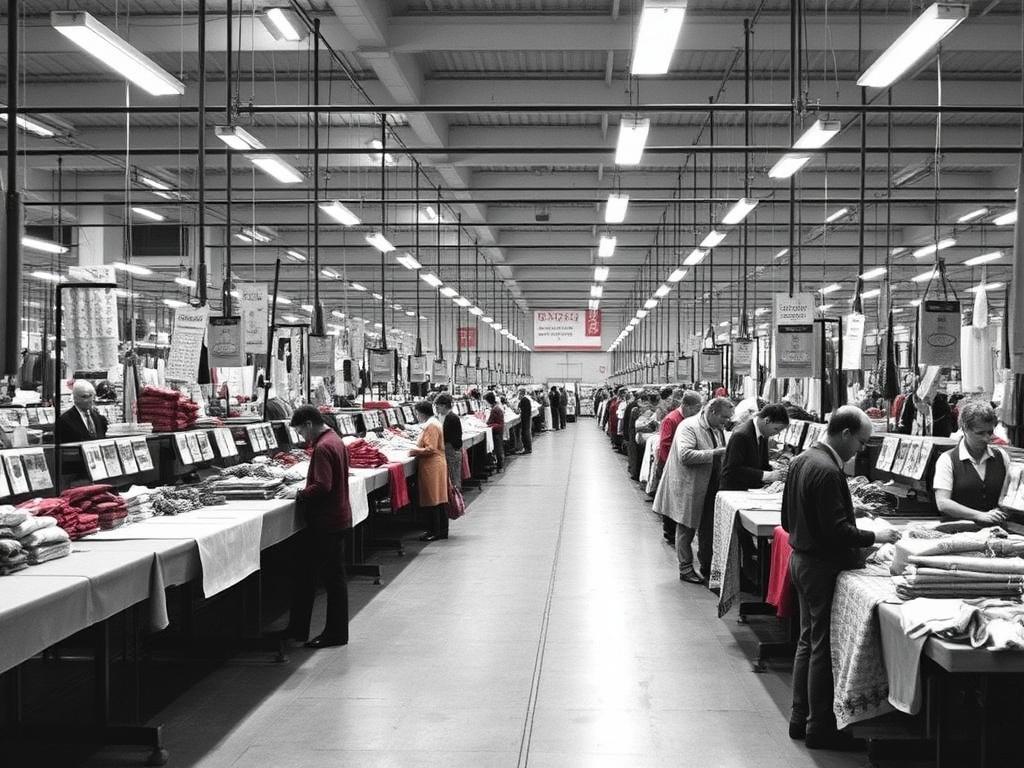
Textiles and clothing have been at the center of trade disputes for centuries because they touch livelihoods, national identity, and early industrialization. In the 19th and early 20th centuries, tariffs protected emerging textile mills in Europe and America, allowing domestic manufacturers to grow by sheltering them from cheaper foreign competition. Those protections shaped industrial patterns, workforce distributions, and, later, political expectations about trade policy that persist to this day.
For most of the 20th century, textiles remained a politically sensitive sector and were often exempted or specially treated in trade agreements. The Multi-Fibre Arrangement (MFA), introduced in 1974, imposed quotas rather than uniform tariffs, restricting how much exporting countries could sell to developed markets. When the MFA expired in 2005, the World Trade Organization’s rules took over and tariffs gained prominence again as the primary trade policy tool affecting clothing.
Recent decades have seen a shift from tariff-protected domestic production to globalized, specialized supply chains, particularly across Asia. Yet tariffs never disappeared; instead, they have evolved into a nuanced, product-specific set of levies that interact with preferences, rules of origin, and anti-dumping measures. Understanding this historical context helps explain why tariffs remain politically charged and economically important today.
How tariffs are measured and applied
A tariff is essentially a tax imposed on imported goods, but the real-world application is more granular than that simple definition implies. Tariffs can be ad valorem (a percentage of the goods’ declared value), specific (a fixed amount per unit like dollars per kilogram), or a mix of both, and customs authorities determine the payable amount at the point of import based on classification and valuation. The declared customs value, the applicable tariff schedule, and any preferential treatment under trade deals all feed into the final number collected at the border.
Classification is a linchpin in this process. Customs use the Harmonized System (HS) – a globally standardized nomenclature that breaks down products into chapters and codes – to identify whether an item is a woven coat, knit sweater, or textile fabric, each with potentially different tariff rates. Slight changes in fabric composition, cut, or construction can shift an HS code and therefore the tariff rate; this is why product descriptions and lab testing matter so much to importers. Valuation rules, meanwhile, determine the price base for ad valorem duties and can include the cost of goods, freight, insurance, and other adjustments depending on the importing country’s rules.
Preferential trade agreements complicate the calculation further by offering reduced or zero tariffs for eligible goods, but those benefits hinge on meeting rules of origin and proper paperwork. If a garment qualifies under a free trade agreement, the importer may claim a preference certificate to lower duties; if the paperwork is missing or origin is disputed, the full duty applies and fines or retroactive duties can follow. Thus, what seems like a small administrative detail at import can materially alter the cost equation for a clothing item.
Different kinds of tariffs and trade instruments that affect apparel
Not all border levies look the same, and several mechanisms can alter clothing prices beyond a simple duty rate. Most governments use basic customs tariffs, but other instruments include temporary safeguard tariffs, countervailing duties (to offset subsidies), and anti-dumping duties (to penalize below-cost exports). These measures are typically reactive: they get applied when domestic industries complain of injury, sometimes resulting in sudden, significant hikes to protect local producers.
Preferential schemes like the African Growth and Opportunity Act (AGOA), the Generalized System of Preferences (GSP), and bilateral free trade agreements provide lower tariffs to selected trading partners. Those schemes are designed to encourage development, investment, or strategic alliances and can be decisive for where brands source production. Duty drawback and inward processing relief are additional tools that let exporters or re-exporters recover duties paid on imported inputs, keeping costs down for intermediate processing hubs.
Non-tariff measures — such as technical regulations, labeling requirements, and consumer safety standards — can behave like tariffs by adding compliance costs, delays, and administrative burdens. A strict flammability standard or a complex labeling regime doesn’t levy money at the border, but it can raise unit costs and complicate sourcing decisions similarly to a tariff increase. When readers think of tariffs, they should broaden the mental category to include these extra-border hurdles that influence pricing and sourcing strategy.
Where tariffs bite in the supply chain
To see how a small border tax transforms into retail cost, follow the garment’s journey: fiber, yarn, fabric, cutting, sewing, finishing, packaging, shipping, and retail. Tariffs might be applied at any stage depending on where value is added and on rules governing intermediate products. For instance, fabric sourced from one country and shipped to another for sewing may encounter duties on the fabric, on the assembled garment, or both—depending on the importing and exporting countries’ rules and whether goods cross borders multiple times.
Tariffs applied to intermediate products can compound when they are not rebated or refunded, effectively taxing the same value addition multiple times. Many manufacturers structure their operations to minimize these cumulative costs by locating sequential steps in countries with favorable trade terms or within a free trade zone. Logistics and inventory decisions—such as whether to ship finished goods directly or hold stock in a bonded warehouse—also reflect the desire to manage tariff exposure and cash flow timing around duty payments.
Transportation and lead time are tightly linked to tariff strategy. Higher duties can justify nearshoring (moving production closer to markets) despite higher labor costs, while very low or preferential tariffs favor long-distance sourcing and just-in-time models. The overall effect is that tariffs influence where garments are produced, how they are transported, how much inventory brands hold, and ultimately how much you pay at checkout.
Tariff engineering and rules of origin: how suppliers chase savings
Tariff engineering refers to legal design choices manufacturers make to reduce duties by tweaking product composition, assembly methods, or exporting locations. Small changes—switching a trim, altering stitch technique, or finishing a garment in a different country—can alter customs classification or meet rules of origin for preferential treatment. Because the savings can be material at scale, savvy sourcing teams and customs lawyers routinely explore these margins.
Rules of origin determine whether a product genuinely “originates” in a country and thus qualifies for preferential tariffs under trade agreements. Origin can be defined by a percentage of value added, a tariff shift (change in HS chapter), or specific processing requirements. For example, a country’s free trade agreement may require that fabric be produced within the partner countries in order for the finished garment to enjoy zero duty, pushing fabric mills and apparel factories to coordinate their locations carefully.
While tariff engineering is legal when done transparently and within rules, it has ethical and regulatory limits. Firms caught misrepresenting origin or exploiting loopholes without meeting rules of origin face penalties, reputational risk, and retroactive duties. The constant cat-and-mouse dynamic between companies seeking cost savings and customs authorities refining rules keeps tariff engineering an active and sometimes controversial part of the apparel trade landscape.
Trade remedies: when governments step in
Governments sometimes use trade remedies to protect domestic industries from sudden surges in imports or unfair competition. Anti-dumping duties are applied when imports are sold below fair market value; countervailing duties counteract foreign subsidies that distort prices; safeguards temporarily restrict imports if domestic producers suffer injury. These measures can be sudden and unpredictable, creating short-term price spikes and forcing buyers to scramble for alternative suppliers or pass costs to consumers.
An example is when a domestic textile industry petitions its government alleging harm from cheap imports; investigations follow, often taking months, and if the claim succeeds duties can be imposed retroactively. The threat of retroactive duties means importers sometimes face large, unexpected bills that alter profitability and pricing. Brands and retailers therefore budget not only for routine tariffs but for the possibility of trade remedies that can change sourcing economics overnight.
Trade remedies are political as well as economic. Governments balance protecting domestic jobs with keeping consumer prices low and maintaining relationships with trading partners. The resulting policy mix reflects domestic politics, lobbying pressure from industry groups, and broader strategic goals, which is why apparel—being labor-intensive and politically visible—frequently ends up targeted in remedy cases.
Real-world examples: how policy shifts changed the map
The 2018–2019 tariff escalations between the United States and China illustrate how policy shifts cascade through the apparel market. Many clothing items and textile inputs were hit with additional tariffs, prompting brands to reroute orders, raise prices, or accept thinner margins. Some companies moved production to other Asian countries or increased domestic textile purchases to mitigate the new levies, but these adjustments take time and capital, producing uneven effects across the industry.
Another instructive case is Bangladesh’s experience with trade preferences. Bangladesh’s apparel industry has benefited from preferential access to many developed markets due to lower labor costs and, initially, favorable trade terms. When countries consider tightening rules of origin, labor or safety standards, or revising preferential schemes, it can affect billions in export value and the livelihoods of millions of workers. Such shifts are why development policy, labor standards, and trade policy are often discussed together in policy circles.
Preferential programs, sanctions, and regional trade deals change flows as well. For instance, a free trade agreement that eliminates duties for partner countries can create a manufacturing boom in the beneficiary state, attracting investment from brands seeking tariff-free access. Conversely, withdrawal of preferences or the imposition of sanctions can cause abrupt contractions, demonstrating the sensitivity of clothing costs to geopolitical and policy shifts.
Costs beyond tariffs: labor, logistics, compliance, and sustainability

Tariffs matter, but they are one strand in a broader cost fabric that includes labor, utility costs, materials, logistics, marketing, and compliance. Labor costs vary widely across countries and influence sourcing decisions as much as duty rates do; a higher tariff on a cheap-country import might still be economically sensible if labor and infrastructure reduce overall unit cost. Energy prices, currency volatility, and port congestion add further layers that can be as impactful as tariffs in determining a garment’s landed cost.
Compliance costs are increasingly visible. Brands must account for factory audits, certifications for sustainability claims, traceability systems, and regulatory requirements for chemicals and safety. These activities add fixed and variable costs that can dwarf marginal tariff changes for some product lines. Consumers who prioritize ethical production and sustainability often accept higher prices that reflect investments in living wages and lower-carbon processes rather than simply border taxes.
Logistics costs—the price of moving a box from factory to store—have surged periodically, as seen during the pandemic when container shortages and port delays spiked freight expenses. When logistics costs rise, companies may tolerate higher tariffs to source closer to market or shift inventory strategies to hold more safety stock, both of which affect retail pricing. In other words, tariffs are part of a dynamic ecosystem; they interact with many other variables that shape the final sticker price.
How brands, retailers, and importers absorb or pass on tariffs

Companies take different approaches to tariffs based on strategy, brand positioning, and margin structure. Luxury brands with high margins may absorb some tariff increases to protect brand pricing and customer experience, treating duties as a cost of doing business. Fast-fashion retailers, which compete on price and volume, may be more likely to pass on cost increases to consumers or redesign products to maintain price points.
Wholesale and retail contracts also determine how tariffs affect prices: some supply agreements fix prices for a season, compelling suppliers to eat rising costs, while more flexible arrangements allow for price renegotiation. Smaller brands may lack bargaining power and ultimately shoulder higher costs, while larger retailers can leverage scale, negotiate better freight rates, or shift sourcing rapidly. These dynamics explain why identical garments from different brands can retail at meaningfully different prices despite similar production profiles.
From personal experience advising a midsize apparel importer, I’ve seen companies run detailed scenario analyses to decide whether to accept higher tariffs or move production. In one case, a 10% tariff increase triggered an operational shift: the importer consolidated orders, increased minimum order quantities to spread fixed costs, and negotiated with factories for small design changes that reduced duty exposure. These tactical responses are common and reveal the real-world trade-offs behind the neat numbers on price tags.
Tariff classifications that matter: knit vs woven, apparel vs fabric
The line between knit and woven garments matters to customs because different categories have different tariff schedules. Knitted apparel (HS chapter 61) and woven apparel (chapter 62) are treated separately, and within each chapter are dozens of codes that parse by item type, composition, gender, and use. Accurate product specification—down to the fiber content percentage and stitch type—keeps classification disputes at bay and ensures correct duties are paid.
Fabric and yarn often carry lower or different tariffs than finished garments, which is why many vertically integrated producers prefer to make fabric and garment in a single jurisdiction. When intermediate inputs are sourced internationally, tariff regimes and preference rules determine whether an importer pays duties on cloth as well as the finished product. This complexity explains why some suppliers digitize their bills of materials and lab test results to support customs classification and origin claims.
Misclassification is more than an accounting error: it can lead to penalties, seizure, and retroactive duties that erode profitability. As a practical matter, many importers regularly consult customs brokers, legal counsel, and sourcing teams to align product specs, invoices, and certificates so that classification is defensible and consistent across jurisdictions. Accurate classification is a behind-the-scenes discipline that directly affects the landed cost of clothing.
Simple table: components of a garment’s landed cost
| Component | Typical effect on price | Notes |
|---|---|---|
| Raw materials (fiber, yarn, fabric) | Significant | Depends on material (cotton vs synthetic) and global commodity prices |
| Labor and manufacturing | Moderate to large | Varies by country and level of automation |
| Tariffs and duties | Small to moderate | Can be decisive for low-margin items or sensitive lines |
| Freight and logistics | Moderate | Subject to volatility; container rates can spike seasonally |
| Compliance and certifications | Small to moderate | Growing with sustainability and safety regulations |
| Retail markups and brand margins | Large | Reflects marketing, store costs, and desired positioning |
This table offers a simplified look at the major cost components that together determine the price you see in-store. Tariffs are an important lever but sit among many other variables that influence strategic sourcing and retail pricing. How each element weighs in depends on the product, the brand’s cost structure, and the volatility of external factors like freight and commodity prices.
Practical tips for shoppers and small brands
If you’re a consumer trying to get the most value for your dollars, pay attention to origin labels, material composition, and brand reputation for quality rather than chasing presumed bargains based solely on price. A cheap garment that faces high duties or originates from distant production may use lower-quality materials or practices to remain profitable, while a slightly higher-priced item from a brand investing in fair labor and sustainable fabrics may last longer and offer better long-term value.
For small brands or entrepreneurs, understanding tariff exposure early saves headaches. Work with a customs broker to classify goods before placing large orders, explore preferential trade programs that may lower duties, and consider inventory strategies like bonded warehouses to defer duty payments. Small shifts—choosing a different trim, altering fabric composition slightly, or changing the country of final assembly—can materially reduce duty expenses when done within compliance.
The future: automation, nearshoring, and greener supply chains
Technological advances in automation and robotics could reshape apparel sourcing by reducing the labor advantage that has driven offshore production for decades. As sewing and finishing operations become more automated, the calculus that once favored long-distance sourcing may tilt toward nearshoring or reshoring, particularly when tariffs, freight, and speed-to-market are factored in. Such shifts would alter the tariff equation, making border levies less decisive for a segment of the industry.
Pressure for lower-carbon supply chains and stronger labor standards is also nudging production closer to consumers in some cases. Shorter supply chains reduce emissions from transportation and improve traceability, which aligns with consumer demand for ethical products. As sustainability credentials become a marketing expectation, brands might absorb higher manufacturing costs or accept different tariff exposures to maintain provenance and reduce environmental impact.
Finally, trade policy itself is in flux. New regional trade agreements, digital trade rules, and shifting geopolitics will continue to change the contours of textile tariff regimes. Companies that monitor policy trends, invest in flexible sourcing networks, and emphasize compliance have better chances of turning tariff complexity into a competitive advantage rather than a cost shock.
Where policy meets pocketbook: the consumer-facing effects
For most shoppers, tariffs are invisible but influential: they show up as slightly higher prices for certain categories, longer delivery times when sourcing changes, or reduced product variety when small-margin items vanish from shelves. Tariffs can also influence fashion cycles, as brands cut back on low-margin experimentation in favor of core products that absorb added costs. The end result is subtle but real, shaping what you can buy and at what price.
Policymakers face trade-offs when setting tariff levels. Lowering tariffs reduces consumer prices but can challenge domestic industries and jobs; raising tariffs protects local production but risks higher costs for consumers and retaliatory measures. Voters who complain about high clothing prices may also support measures that inadvertently raise those prices through protectionist policies, underscoring the political tension inherent in tariff design. Understanding these trade-offs helps shoppers see why leaders sometimes act in ways that seem contrary to immediate consumer interest.
Final thoughts and practical ways forward
Tariffs on textiles are a piece of a complex economic tapestry that includes history, politics, technology, and ethics. They matter precisely because clothing remains labor-intensive, politically sensitive, and globally traded. Rather than a blunt tax, tariffs interact with sourcing strategies, supply-chain design, and consumer preferences to determine how much you pay for a shirt or a coat.
If you care about where your clothes come from and why they cost what they do, the most practical actions are informed purchasing, supporting transparency initiatives, and holding brands accountable for both price and practice. For those in the industry, investing in classification accuracy, scenario planning, and trade expertise is no longer optional; it is central to surviving and thriving in a world where a few percentage points at a border can redefine a business model overnight.